
Writers often get lost in jargon, struggling to navigate the book publishing process. Each new term can leave writers feeling stranded. Learning these terms removes confusion and makes publishing much easier.
Table of Contents
What is “Genre”?
“Genre” categorizes writing by style, form, or content. Understanding genre helps set clear expectations for writers and readers.
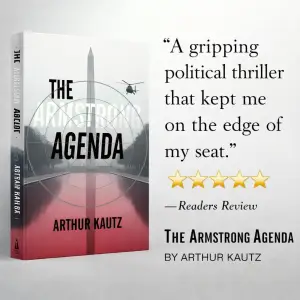
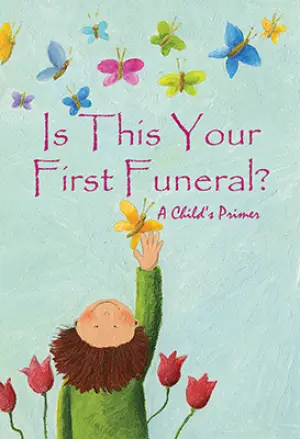
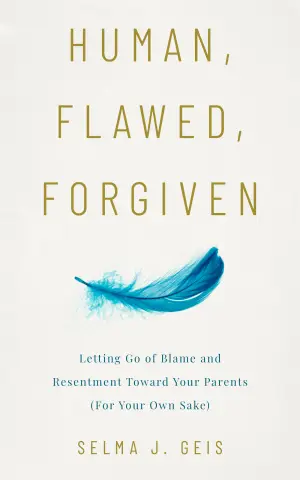
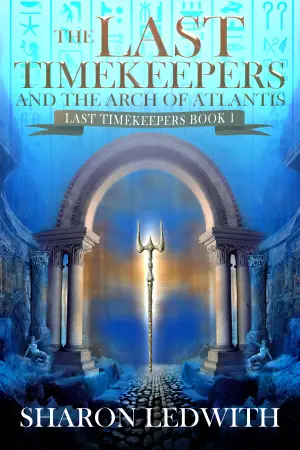
For example, if you pick up a romance novel, you’re expecting emotional highs, possibly a happily-ever-after, and a focus on relationships. Conversely, a horror genre piece will likely delve into the darker corners of the human psyche, complete with suspenseful twists and thrills.
When writing, choosing your genre influences not just your content but also your audience. If you write a science fiction novel, your readers will have specific expectations about technology, futurism, and world-building.
What is “Tone”?
“Tone” refers to the attitude or emotional quality conveyed in a piece of writing. It can range from formal to informal, serious to humorous, or even sarcastic to sincere. Tone shapes how readers interpret the narrative, dialogue, and characters.
Let’s say you’re crafting a young adult novel. An upbeat and witty tone might engage your audience. Quirky characters, brimming with humor, connect with the ups and downs teenagers face. However, if you’re writing a historical fiction piece about a war, a somber tone sets a serious atmosphere and shows the weight of historical events.
Example: If you describe a character’s daring escapades with phrases like, “She soared through the air, defying gravity and reason alike, grinning as if she owned the sky,” you create an adventurous tone. In contrast, saying “She stumbled through the wreckage, heart heavy with fear and regret” would deliver a much darker tone.
What is “Voice”?
“Voice” refers to the unique style and personality that emerges in writing. Many people confuse this concept with tone, but it refers more specifically to how an author expresses their individual perspective.
Consider J.K. Rowling’s “Harry Potter” series. Rowling’s voice mixes enchantment with humor, drawing readers into a magical world with ease. On the other hand, C.S. Lewis’s “Chronicles of Narnia” uses a straightforward narrative voice, sharing moral lessons while still sparking the imagination.
Crafting your voice can take time and experimentation. Many writers begin by mimicking familiar styles, sharpening their skills through practice. Over time, this process leads to a unique style that connects with both the writer and readers.
What is “Plot”?
“Plot” is the sequence of events that unfold in a story, often revolving around a conflict and its resolution. It serves as the backbone of your narrative, guiding readers through a meticulously crafted experience.
Imagine writing a mystery novel where a detective uncovers clues to solve a crime. The plot would follow a structure: introduction of the murder, introduction of the detective, clues unfold, false leads arise, and finally, the big reveal. This structured format keeps readers engaged and eager to flip the pages.
A plot can utilize various frameworks such as the three-act structure, the hero’s journey, or a nonlinear narrative. Choosing the right plot structure can significantly influence how effectively your story captures readers’ attention.
What is “Theme”?
“Theme” is the underlying message or main idea at the heart of a piece of writing. It often reflects the author’s worldview or commentary on life, society, or specific issues. Unlike the plot, which focuses on the events of the story, the theme adds depth and meaning.
Consider George Orwell’s “Animal Farm.” The theme explores the corruptive nature of power, serving as a critique of totalitarian regimes while presenting a seemingly simple tale about farm animals.
Writers can weave themes subtly into their narratives, allowing readers to uncover deeper meanings upon revisiting the text. Adding themes with care gives a story extra depth, turning it from simple entertainment into writing that prompts reflection.
What are “Characters”?
“Characters” are the individuals who inhabit the world of your story, driving the plot and enriching the narrative. Well-developed characters help readers invest emotionally in your story and often embody the themes you wish to explore.
For instance, in classic dystopian literature such as “Fahrenheit 451” by Ray Bradbury, the character Guy Montag faces a struggle between his role in society and his own beliefs. This internal conflict draws readers in and keeps them engaged. In contrast, in a lighthearted romantic comedy, endearing characters navigate the ups and downs of love, providing humor and warmth.
Creating memorable characters involves more than naming them. Character development calls for attention to backstories, motivations, desires, and growth throughout the story.
What is “Setting”?
“Setting” is the environment in which your story takes place. It encompasses time, place, cultural context, and even mood. A well-drawn setting can immerse readers in the world you’re creating, making the narrative all the more engaging.
For instance, picture a kingdom set in a fantastical world filled with dragons and magic. Next, picture a gritty city crowded with crime and corruption. Each setting dramatically alters the narrative’s tone and influences character behavior.
Writers build a strong sense of place by choosing details that appeal to the senses. These details help readers picture the setting and connect with the atmosphere.
What is “Conflict”?
“Conflict” is the driving force in any narrative, presenting challenges that characters must face. It is often categorized as either internal conflict (struggle within a character’s mind) or external conflict (clashes with outside forces).
Consider a character fighting their own insecurities, trying to find their identity in a fast-paced world. This internal conflict can spark compelling character development. On the other hand, a knight battling a dragon exemplifies external conflict, with physical stakes that escalate throughout the story.
When writing a story, incorporating conflict helps maintain tension. It also keeps readers hooked, eager to discover how characters will overcome their obstacles.
What is “Dialogue”?
“Dialogue” refers to the spoken exchanges between characters and is pivotal for character development, pacing, and advancing the plot. It can convey character traits, emotions, and even subtext, bringing the story to life.
Good dialogue does more than move the plot forward; dialogue reveals character traits, personalities, and relationships. For example, fast-paced, witty banter between friends can create a lighthearted tone, while tense, stilted exchanges between adversaries can evoke anxiety and drama.
Writers can enhance dialogue by ensuring it sounds authentic and varies from character to character. Avoiding informative dialogue—where characters share information—can keep interactions feeling realistic.
What is “Subplot”?
A “subplot” is a secondary storyline that runs parallel to the main plot. While it often enhances the primary narrative, it can explore themes or character dynamics in greater depth.
In a novel about a young hero saving a kingdom, a subplot may involve their relationship with a mentor figure, revealing more about personal growth and guidance. Alternatively, a subplot could introduce humorous elements or side adventures that contribute to character development without overshadowing the main arc.
Crafting subplots can make a story richer and give readers additional layers to explore, providing a break from the primary focus while still serving the overarching narrative.
What is “Narrative Arc”?
The narrative arc creates the structure that leads readers through a story’s beginning, middle, and end. It often includes exposition, rising action, climax, falling action, and resolution.
Envision a thriller: First, readers meet the protagonist, and the conflict surfaces. As the tension builds in the rising action, the stakes escalate toward the climax, where characters confront their challenges head-on. Eventually, the falling action unfolds, bringing events to a close with a resolution that answers outstanding questions.
Understanding the narrative arc helps writers craft engaging stories and creates a satisfying experience for readers. It also aids in pacing, encouraging balanced tension and appropriate breathers through various narrative highs and lows.
What is “Point of View”?
“Point of view” (POV) determines who tells the story and how much insight readers get into the characters’ thoughts and feelings. Different POVs, such as first person, third person limited, and third person omniscient, shape how readers connect with the story.
In first-person POV, the narrator uses “I,” providing intimate experiences and emotions, as seen in “The Catcher in the Rye.” Meanwhile, a third-person omniscient POV presents multiple characters’ thoughts, creating a broader narrative scope, such as in “Pride and Prejudice.”
Choosing the appropriate POV is crucial for shaping the narrative experience. Each option illuminates different aspects of the story, influencing how readers engage with characters and events.
What is “Editing”?
“Editing” is the process of revising text to improve clarity, accuracy, and overall quality. It involves not just fixing grammatical errors but enhancing structure, flow, and language.
After completing a first draft, writers should review it for inconsistencies, pacing problems, and sections that feel underdeveloped. A good editor often serves as a second pair of eyes, spotting problems that the writer might overlook.
Whether you opt for self-editing or hire a professional editor, remember that editing is where the magic happens—turning a rough draft into a polished piece.
What is “Feedback”?
“Feedback” refers to critiques or constructive comments received from beta readers, writers’ groups, or professional editors. This feedback helps identify problems in your writing that you may overlook.
For instance, if a beta reader finds your main character unrelatable, that’s crucial feedback prompting you to rethink character development. Alternatively, if multiple readers express confusion about the plot, it’s often a signal that you need to tighten your narrative structure.
Being open to feedback is essential for every writer. It serves as an opportunity to learn and improve, ultimately leading to stronger writing.
What is “Publishing”?
“Publishing” is the process of disseminating a written work to the public. It can involve various routes, including traditional publishing, self-publishing, or hybrid approaches. Each avenue has distinct advantages and challenges.
In traditional publishing, a writer sends a manuscript to a publisher. The publisher manages editing, distribution, and marketing. This process can boost book visibility, but competition runs high. Most publishers receive submissions through literary agents.
On the other hand, self-publishing offers authors full control over their work. However, it requires a hefty investment of time and resources in editing, cover design, and marketing.
Knowing the ins and outs of publishing options can empower writers to make informed decisions about how to present their work to the world.
What is “Self-Publishing”?
“Self-publishing” is the process by which authors publish their work independently without going through traditional publishing routes. It allows complete creative control, from content to cover design, and often yields higher royalties.
Consider a novelist who decides to self-publish their book on platforms like Amazon Kindle Direct Publishing. They can set their price, promote their work through social media, and connect directly with readers. However, this also means they are responsible for all aspects of the publishing process.
Self-publishing has become increasingly popular, especially with the rise of technology that facilitates distribution and marketing. It empowers writers to share their stories on their own terms.
What is “Marketing”?
“Marketing” is the process of promoting your written work to build awareness and drive sales. In the crowded literary landscape, effective marketing can make or break the success of your book.
For instance, an author might set up a website to showcase their work, engage with readers through social media, or participate in book fairs to gain visibility. Email newsletters can also be an effective way to keep readers informed about upcoming releases.
Marketing is not just about being pushy; it’s about authentically connecting with your audience, sharing your passion, and establishing a loyal readership.
Additional Information
When it comes to writing, there are a few hidden gems that can change your understanding of the craft.
- Bleed: In printing, the term “bleed” means the extra area beyond the final trim size. It ensures that color or images reach the edge of the page and can prevent unsightly white borders.
- Kicker: A kicker is a short phrase or sentence that is placed above the headline to create interest or additional context. It’s the lesser-known cousin of the headline, often overlooked.
- Chiaroscuro: This term isn’t just for artists; in writing, it refers to the contrast of light and dark elements in storytelling. Balancing tense moments with lighter scenes can create a more compelling narrative.
- Backstory: Many writers spread out backstory over time, and this gradual reveal works well. Still, the best backstories are often those that directly impact the main plot, allowing the story details to fit together naturally.
- Epigraph: A quote placed at the start of a book or chapter that sets the tone or introduces the theme. Using an epigraph can add depth and offer insight into the larger context of your narrative.
- Mise-en-scène: Originally a film term, it describes the arrangement of everything in the frame, but in writing, it refers to how you create vivid scenes using description, dialogue, and character actions to build a world.
- Antagonist: This term doesn’t just mean “villain.” An antagonist can be anything that opposes your main character—another character, society, or even internal conflict. This idea adds layers to your story.
- Show, Don’t Tell: This popular writing advice goes beyond mere preference. Writers who master this technique engage readers, making them feel like participants instead of passive observers.
- In Media Res: This Latin phrase means “in the midst of things.” Starting a story in the middle of action can hook readers faster than a slow build-up, creating immediacy and intrigue.
- Character Arc: A character arc shows how a character changes during the story. A well-developed arc can show growth or decline, making characters more relatable and engaging.
- Theme: While often neglected, it is the story’s underlying message. It is not always blatantly obvious, but it works in the background, influencing character decisions and plot development.
- Dialogue Tags: While “said” is the most common dialogue tag, sometimes it can even become stale. Using a variety of tags can enhance the reading experience and offer insights into a character’s emotions.
- Point of View: The perspective you choose impacts how readers experience the story. First-person creates intimacy with the narrator, while third-person pulls readers back to see more of the entire story. Each choice changes the way readers relate to the narrative.
- Foreshadowing: Subtly hinting at future events can build suspense. Remember, it shouldn’t be obvious—great foreshadowing is like a delicious breadcrumb trail that leads to the climax.
- Subtext: This feature shows what characters leave unspoken during conversations. A skilled writer can convey emotions and tension without explicitly stating every feeling, allowing readers to infer the emotions from the text.
Frequently Asked Questions (FAQs) Related to Writing Terms
Q. What is a manuscript?
A. A manuscript is the original version of a writer’s work, such as a novel, poem, or story, before it’s published.
Q. What is a query letter?
A. A query letter is a short pitch to literary agents or publishers, outlining a writer’s book idea and why it’s worth their attention.
Q. What does “editing” mean in writing?
A. Editing is the process of reviewing and revising a written text to improve clarity, flow, grammar, and overall quality.
Q. What is a draft?
A. A draft is a preliminary version of a piece of writing, often subject to revision and improvement before completion.
Q. What does “genre” refer to?
A. The genre refers to a category of literature defined by similarities in style, form, or subject matter, such as fiction, non-fiction, or mystery.
Q. What is a plot?
A. A plot is the sequence of events that make up a story, including the main conflict and how it develops over time.
Q. What is a character arc?
A. A character arc is the transformation or growth a character undergoes throughout a story, influenced by various events and challenges.
Q. What is world-building?
A. World-building involves creating the setting and context for a story, including its geographical, cultural, and social aspects.
Q. What does “voice” mean in writing?
A. The voice refers to the unique style and tone of a writer or character, reflecting personality and perspective in the text.
Q. What is the purpose of a style guide?
A. A style guide provides guidelines for writing, including grammar, punctuation, and formatting, helping to maintain consistency across a piece of work.
Conclusion
Understanding writing terms is essential for anyone involved in the literary world. Whether you’re a budding author, a seasoned writer, or just a fan of books, knowing the language of writing enhances your experience. It helps communicate ideas, collaborate with other writers, and navigate the publishing process effectively. So, study these terms, and stronger writing will follow. Remember, the right words can make all the difference!
