
Writing a children’s book can appear daunting due to the unique challenges of engaging a young audience while imparting meaningful lessons. However, the secret to crafting an appealing children’s book lies in understanding your audience, creating relatable characters, and weaving a captivating story.
Table of Contents
Understanding Your Audience
To write a successful children’s book, you first need to understand the age group you’re targeting. Children’s literature falls into various age brackets, each with distinct preferences and reading levels.

Age Groups Breakdown
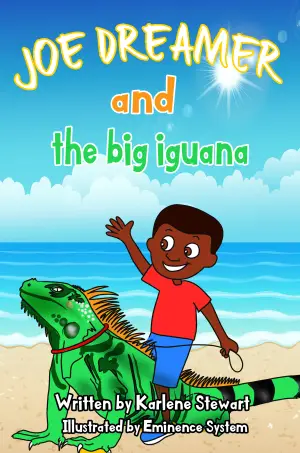
- Picture Books (Ages 0-5): These stories are primarily for pre-readers. They rely heavily on illustrations to tell the story. Think of classics like “Goodnight Moon” or “Brown Bear, Brown Bear, What Do You See?” These books emphasize simple language and are often read aloud with the help of adults.
- Early Readers (Ages 5-7): This age group begins reading independently. The language is simple, and stories are concise and engaging. Examples include “Frog and Toad Are Friends” by Arnold Lobel.
- Chapter Books (Ages 7-9): This category highlights detailed stories structured into chapters. They introduce themes such as friendships and moral values. Think “Magic Tree House.”
- Middle Grade (Ages 8-12): These books explore deeper themes and character development, often addressing real-life issues. “Wonder” by R.J. Palacio stands out as an excellent example.
Understanding the nuances of these age groups grants insight into how to structure your content, use language properly, and incorporate visuals.
Developing Relatable Characters
Strong characters are crucial in children’s books. They need to be relatable and memorable for young readers. Characters often carry the story and draw the reader into their world.
Tips for Character Development
- Simplicity is Key: Young readers appreciate straightforward traits. For instance, a character might be a very curious cat or a shy owl. Ensure your characters have a distinct personality that shines through their actions and conversations.
- Visually Descriptive: While you may be reading to children, they will often visualize the characters. Describing their hair color, clothing, and any quirks can enhance this experience.
- Give Them a Goal: A relatable character has a goal or a problem to solve. For example, in a story about a young boy seeking a hidden treasure, the adventure keeps readers engaged.
Example of Relatable Characters
Imagine a timid rabbit named Ruby who dreams of exploring the forest. Ruby’s journey of gaining confidence resonates with children who may feel shy themselves. As she tackles challenges, kids can see the importance of stepping out of their comfort zone.
Structuring Your Story
Every good story has a structure. In children’s books, the three-act structure usually suits the material. That includes setup, confrontation, and resolution.
Three-Act Structure Explained
- Set up: Introduce the characters and setting. Here, you establish who they are and what they want. For instance, introduce Ruby, her cozy bunny burrow, and her longing for adventure.
- Confrontation: Present a challenge or conflict. That could be a scary obstacle Ruby must face in the forest or a misunderstanding with another character, setting the stage for growth and discovery.
- Resolution: Conclude the story by showing how the character has changed. Maybe Ruby learns that bravery comes in many forms, and she makes new friends along the way.
By structuring your story this way, you provide a satisfying arc that keeps young readers engaged.
The Importance of Language
Writing for children needs thoughtful focus on language. Adult writers can slip into complex vocabulary without realizing it. Keep language simple and engaging.
Language Tips
- Use Repetition: Children love patterns. Utilizing repeated phrases or words can make stories more enjoyable and easier for them to comprehend. For example, “Again and again, Ruby hesitated…”
- Engaging Dialogue: Dialogue brings characters to life. Keep it realistic but fun. Use age-appropriate language and aim for a tone that fits the personalities of your characters.
- Interactive Elements: Include questions or prompts to invite readers into the story. “What do you think Ruby will do next?” encourages young readers to think critically.
Illustrations: The Heartbeat of Children’s Books
Illustrations play a crucial role in children’s literature. They capture attention and enhance storytelling by visually illustrating the narrative.
Partnering with an Illustrator
If you’re not an illustrator, consider collaborating with one. Your story will greatly benefit from their ability to visualize your words.
- Concept Art: Share your character descriptions, settings, and pivotal scenes with the illustrator.
- Layout: Discuss how text will interact with images. Ensure that the illustrations complement the narrative without overpowering it.
Tips for Choosing Illustrations
- Diversity: Ensure your illustrations reflect diverse backgrounds and experiences, allowing all children to see themselves in the story.
- Color Palette: Use vibrant colors to attract children’s attention. Soft pastels may work for bedtime stories, while bold colors might fit an adventurous tale.
The Role of Themes and Messages
Children’s books are more than just stories; they often carry essential lessons about friendship, honesty, and perseverance. Including a central theme keeps the reader engaged and provides a takeaway.
Examples of Themes
- Friendship: Many children’s stories revolve around the importance of friendship and teamwork, such as “The Rainbow Fish” by Marcus Pfister, which highlights the value of sharing and community.
- Courage: Books like “Giraffes Can’t Dance” by Giles Andreae show children that it’s okay to be different and to have the courage to dance to their own tune.
- Overcoming Fear: Many kids’ stories address fears in a relatable way, such as going to school for the first time or trying a new activity.
Crafting your narrative with a theme not only educates but also fosters emotional development.
The Publishing Process
Once you’ve penned your masterpiece, it’s time for the next big step: getting it published. Children’s books have a unique publishing landscape.
Traditional vs. Self-Publishing
- Traditional Publishing: This route can give you a wider reach and professional support. However, it often requires finding an agent and can involve lengthy timelines.
- Self-Publishing: An increasingly popular choice, self-publishing gives you more control over the project but requires effort in marketing and distribution.
Tips for Publishing
- Research Publishers: Look for publishers who specialize in children’s books. Understand their submission processes and tailor your query letters effectively.
- Editing: Don’t skip this step. Even books for kids require expert editing to shine. Consider hiring an editor familiar with children’s literature.
- Marketing: Once published, engage with your audience through book readings at local libraries, schools, or virtual events. Leverage social media to connect with communities.
Understanding Royalties and Sales
If you dream of financial success from your children’s book, understanding royalties is crucial.
Types of Royalties
- Advance Royalties: You may receive an upfront payment when signing with a publisher.
- Royalty Rates: Typically, this ranges from 5% to 15% per copy sold, depending on the publisher.
Sales Strategies
- Engage Schools: Schools often look for materials for their libraries. Offering a school discount can boost sales.
- Book Fairs and Festivals: Participate in events that attract families and promote your book to your target audience.
By following these strategies and immersing yourself in the process, you can bring your children’s book dream to life, ensuring a delightful reading experience for young audiences.
Additional Information
Writing a children’s book involves more than just a fun story and colorful pictures. Here are some facts that can set your book apart:
- Word Count Matters: Children’s books have specific word count guidelines based on age group. Picture books usually range between 500 and 1,000 words, while early readers can go up to 2,000 words. Stick to these limits to maintain engagement.
- Theme is Key: A strong, relatable theme resonates with both kids and parents. Addressing universal experiences, like friendship and bravery, can make your book more appealing.
- Intentional Vocabulary: Young readers benefit from a mix of familiar and new words. This approach encourages vocabulary growth without losing their interest, so include a few challenging words alongside simpler ones.
- Character Connection: Kids connect more with characters who show flaws or unique traits than with flawless heroes. Crafting relatable characters can significantly enhance engagement.
- Visual Appeal: The layout and design are crucial. Illustrators often work closely with authors to integrate visuals that complement the story and make it more memorable.
- Read-Aloud Rhythm: Stories for young audiences deliver the most when people read them aloud. Pay attention to rhythm and repetition to encourage participation during storytime.
- Educational Elements: Many successful children’s books seamlessly incorporate educational aspects. Writers can find clever ways to slip lessons about nature, science, and social skills into the story without obvious instruction.
- Feedback from Kids: Consider reading drafts to children in your target age group. Their reactions can provide invaluable insights into what works and what doesn’t.
- Subtle Humor: Kids appreciate humor most when it feels natural. Including lighthearted moments or clever wordplay can elevate the enjoyment factor for young readers.
- Diverse Perspectives: Incorporating diverse characters and stories fosters inclusivity. Books that represent various cultures and experiences can broaden a child’s understanding of the world.
- Emotional Journey: Children’s literature frequently examines social and psychological development. Allow your characters to experience challenges and changes that mirror real-life progress.
Emphasizing these factors can turn a simple story idea into a captivating children’s book that stands the test of time.
Frequently Asked Questions (FAQs) Related to Write A Children’s Book
Q. What age group should I target when writing a children’s book?
A. Consider the developmental stages of children. Picture books are typically for youngsters 0-5, early readers for 5-7, chapter books for 7-9, and middle-grade novels for 9-12. Choose your audience based on the themes and language you want to use.
Q. How long should my children’s book be?
A. Length varies by age group. Picture books usually range from 300 to 1,000 words, early readers can go up to 2,500 words, and chapter books often extend from 5,000 to 10,000 words. Middle-grade books range from 20,000 to 50,000 words.
Q. Do I need an illustration plan for a children’s book?
A. Yes, illustrations are key in children’s books, especially for younger audiences. Decide whether you will work with an illustrator or whether you plan to create the artwork yourself. That will influence your writing process.
Q. What themes resonate well with children?
A. Children love themes of friendship, adventure, family, and overcoming fears. Always aim for a relatable story that includes humor, excitement, and valuable life lessons.
Q. Should I include complex language in my book?
A. Keep the language simple and age-appropriate. Young readers benefit from easy-to-understand words and sentences, while still enjoying some playful language or new vocabulary that’s introduced through context.
Q. How can I make my story engaging for children?
A. Use relatable characters, imaginative settings, and a clear conflict. Include interactive elements such as questions or prompts, and don’t forget to add humor. Kids love a good laugh!
Q. Is it important to have a moral or a lesson in a children’s book?
A. While not mandatory, including a moral or a lesson can enhance the story’s value. Kids enjoy stories that teach them something meaningful, but make sure it feels natural and not preachy.
Q. How do I find a publisher for my children’s book?
A. Research publishers that specialize in children’s literature. Sending your work to agents who specialize in children’s books offers another strong option. Be prepared with a polished manuscript and a strong query letter.
Q. Can I self-publish my children’s book?
A. Definitely! Self-publishing is a viable option for children’s books. You’ll have control over your project, but be prepared to manage aspects such as marketing and distribution.
Q. What marketing strategies work best for children’s books?
A. Utilize social media to reach parents and educators, attend book fairs and school events, and consider building a website to showcase your work. Engaging with local libraries for readings can also boost visibility.
Conclusion
Writing a children’s book can be an exciting adventure filled with creativity and imagination. By understanding your audience and crafting engaging stories, you can create a book that resonates with young readers. Remember to keep your language simple, characters relatable, and themes meaningful. Once you finish your manuscript, don’t forget the importance of illustrations and professional editing to bring your story to life. With dedication and passion, you can inspire the next generation of readers and make a lasting impact through your words. Happy writing!
