

Historical fiction is a literary genre that blends fictional narratives with historical events, characters, and settings. Writers in this genre craft stories set in a specific time period, using the details of that era to create realistic backdrops and plots. Readers may find themselves immersed in the lives of fictional characters who navigate through actual historical moments or get a fictional take on well-known historical figures.
Table of Contents
The Appeal of Historical Fiction
Why do readers gravitate toward historical fiction? It allows them to experience and explore different times and places without leaving the comfort of their homes. The genre brings history to life in engaging ways, often providing insight into the values, struggles, and realities of past societies.
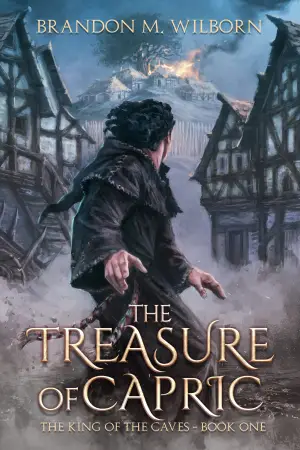

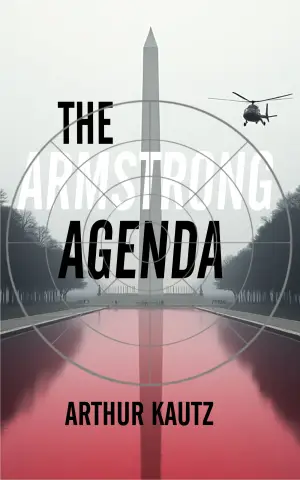
For example, in Ken Follett’s The Pillars of the Earth, readers travel to 12th-century England and see the construction of a cathedral during the social and political upheavals of the time. The fictional lives of characters intertwine seamlessly with historical events, making the narrative both educational and entertaining.
Key Elements of Historical Fiction
To effectively create a historical fiction piece, authors should keep several key elements in mind.
Authenticity in Research
One of the critical aspects of writing historical fiction is thorough research. Authors need to delve into the historical context of their story, examining not just the events but also the culture, social norms, language, and even food of the time period. Research ensures that the story remains authentic and believable.
Consider the novel All the Light We Cannot See by Anthony Doerr. The narrative takes place during World War II. The author researched the geography of France and the conditions of war with great care. This attention to detail creates a believable setting that draws in readers who crave both truth and fiction.
Compelling Characters
Characters in historical fiction play a crucial role in bridging the gap between the past and present. Readers engage more with characters who feel real, spark emotions, and show multiple viewpoints on historical events. Well-written characters make history feel personal and new for every reader.
Take The Book Thief by Markus Zusak, narrated by Death itself. The protagonist, Liesel, experiences the horrors of Nazi Germany as an orphan. Her journey reflects the resilience of humanity during dark times, embodying the struggles faced by countless individuals in history.
Creating Tension and Conflict
Conflict drives the narrative forward and keeps readers engaged. In historical fiction, significant events, social upheavals, or personal struggles often create tension that mirrors larger forces at play.
In The Nightingale by Kristin Hannah, the conflict arises from the choices the characters must make to survive during the German occupation of France. The tension between loyalty to family and one’s moral compass captivates readers and highlights the struggles faced during wartime.
Different Types of Historical Fiction
Historical fiction encompasses a variety of styles, involving alternative history to straightforward retellings of past events.
Biographical Historical Fiction
Biographical historical fiction focuses on the lives of real historical figures. Moreover, it often adds fictional elements to fill in gaps or explore lesser-known aspects of their lives. For instance, The Other Boleyn Girl by Philippa Gregory narrates the life of Mary Boleyn, an intriguing yet often overshadowed sister of Anne Boleyn. This portrayal offers readers a fresh perspective on the Tudor era.
Speculative Historical Fiction
This subgenre explores “what if” scenarios, reimagining historical events in unique ways. A notable example is 11/22/63 by Stephen King, where a time traveler attempts to prevent the assassination of President John F. Kennedy. The speculative twist invites readers to consider the implications of altering historical events.
Historical Romance
Many blends of historical fiction incorporate romance, intertwining characters’ personal lives with historical contexts. In Outlander by Diana Gabaldon, the protagonist travels back in time to 18th-century Scotland, where she navigates love, war, and political intrigue. The romance fuels the story while grounding it in historical settings.
The Role of Setting in Historical Fiction
Setting is not merely a background element in historical fiction; it’s an essential component that shapes the narrative. The environment, atmosphere, and societal norms of a period can significantly influence character development and plot progression.
Immersive World-Building
Authors must build immersive worlds that transport readers. Detailed descriptions of locales, clothing, and customs create a richer and more authentic story.
For instance, in The Tea Girl of Hummingbird Lane by Lisa See, the setting of the Akha ethnic minority in China is vividly depicted, creating a rich tapestry that informs the characters’ motivations and choices. Readers learn about tea customs and family traditions, which adds depth to the cultural experience.
Historical Context for Modern Readers
Setting historical fiction in a specific time period invites authors to highlight social issues that are still relevant to modern society. Themes of injustice, inequality, love, and perseverance resonate across decades and centuries.
In The Help by Kathryn Stockett, the narrative takes place against the backdrop of the 1960s Civil Rights Movement in the American South. The book’s portrayal of racial tensions highlights problems that continue in today’s world. These characters’ challenges encourage readers to think about both past and present struggles with inequality.
Challenges of Writing Historical Fiction
Despite its many appeals, writing historical fiction comes with challenges. Authors must balance fact and fiction, ensuring their narratives are both engaging and respectful to historical truths.
Navigating Historical Accuracy
Writers often face the challenge of presenting an accurate portrayal of historical events while developing a compelling narrative. Misrepresentations can lead to backlash from readers and historians alike. Careful research and attention to detail help writers earn trust and avoid missteps.
Taking The Alice Network by Kate Quinn as an example, the author holds herself accountable by providing an author’s note detailing her research on World War I espionage. This transparency builds credibility and allows readers to appreciate the fictional elements within a factual framework.
Striking the Right Tone
Finding the right tone for historical fiction can be tricky. Writers should ensure that the language, dialogue, and character interactions are consistent with the time period without feeling too convoluted for modern readers.
In A Gentleman in Moscow by Amor Towles, the author beautifully captures the essence of 1920s Russia while maintaining readability. His knack for clever dialogue and engaging prose introduces readers to an era marked by significant change.
The Reader’s Experience
For readers, historical fiction presents a way to learn about different cultures and eras through engaging storytelling. Characters’ experiences create an emotional connection, helping readers engage with history on a personal level.
Learning Through Narratives
Books like The Alice Network and The Nightingale blend history and personal courage, crafting stories that both educate and entertain. Readers often walk away with a greater understanding of human resilience and the complexities of history.
Fostering Empathy
Historical fiction also fosters empathy by humanizing historical figures and events. By sharing the struggles and triumphs of characters, writers help readers connect emotionally, encouraging them to reflect on their own lives and values.
Additional Information
Historical fiction is often more than just stories set in the past; it holds some fascinating facts.
- Blending Facts with Fiction: Many authors spend years researching specific time periods to create a rich tapestry of fact and fiction. This deep dive helps to craft believable characters and settings that bring history to life.
- Subtle Narratives: Many historical fiction writers include hidden stories that introduce readers to overlooked events or figures. These stories reveal interesting pieces of history that rarely appear in classrooms.
- Cultural Impact: Historical fiction often shapes a reader’s perception of a particular era. A captivating story can spark curiosity about actual events and inspire people to learn more about history.
- Narrative Techniques: Innovative authors use techniques such as unreliable narrators. These characters twist the truth, making history more complex and intriguing.
- Interdisciplinary Sources: Writers often draw from multiple disciplines when crafting their plots, including archaeology, sociology, and anthropology, to lend depth and authenticity to their storytelling.
- Emphasis on Empathy: Historical fiction can foster empathy by allowing readers to experience diverse cultures and perspectives, making it a powerful tool for bridging gaps in understanding.
- Unconventional Protagonists: Many authors use everyday characters instead of famous historical figures to tell their stories. These stories reveal how amazing events can shape ordinary lives throughout history.
- Genre Hybridization: Historical fiction often overlaps with other genres such as romance, mystery, or fantasy, creating unique narratives that appeal to a broader audience and offer fresh takes on familiar timelines.
- Ethical Considerations: Writers must navigate the demands of historical accuracy and artistic license. This combination often sparks debates about representation and the ethics of storytelling.
- Community Engagement: Many groups and forums for fans of historical fiction bring readers together to share insights and discuss the historical accuracy of popular books. These conversations build a lively community for anyone curious about the past.
Frequently Asked Questions (FAQs) Related to What Is Historical Fiction
Q. What is historical fiction?
A. Historical fiction is a literary genre where the story takes place in the past, often featuring real events, settings, and characters but with fictional elements woven in.
Q. How do authors research for historical fiction?
A. Authors often read history books, visit historical sites, consult experts, and immerse themselves in the time period they’re writing about to create an authentic narrative.
Q. Can historical fiction include real historical figures?
A. Yes, many historical fiction stories include real historical figures, intertwining them with fictional characters and plots to enhance the narrative.
Q. What makes a book qualify as historical fiction?
A. A book qualifies as historical fiction if the story takes place in the past, accurately portrays the time period, and includes events or cultural details that reflect the era.
Q. Are there specific time periods that are popular in historical fiction?
A. Yes, popular time periods include the medieval era, the American Civil War, and World War II. Writers can choose any period that inspires them.
Q. How does historical fiction differ from historical nonfiction?
A. Historical fiction tells a story through imagined characters and scenarios. Meanwhile, historical nonfiction presents factual information and actual accounts without creative embellishment.
Q. Can readers expect an accurate portrayal of history in historical fiction?
A. While historical fiction aims for accuracy, it may take creative liberties for dramatic effect. Authors may adjust particular details to make the story more entertaining, but they usually aim to keep key facts accurate.
Q. What are some well-known historical fiction novels?
A. Notable examples include “The Book Thief” by Markus Zusak, “All the Light We Cannot See” by Anthony Doerr, and “The Nightingale” by Kristin Hannah.
Q. Is it important for historical fiction to be educational?
A. While many readers appreciate learning about history through fiction, the primary goal is to entertain. A well-written story can spark interest in the actual events that inspired it.
Q. How can readers identify quality historical fiction?
A. Look for books with well-researched backgrounds, vivid characters, strong plots, and immersive settings that transport you to another time while remaining historically grounded.
Conclusion
Historical fiction is a unique genre that blends real events with imaginative storytelling. It allows readers to explore different time periods while engaging with rich characters and their experiences. By grounding narratives in history, authors invite us to reflect on the past and understand how it shapes our present and future. Whether you’re a history buff or just looking for an engaging read, historical fiction offers something for everyone. Dive into this genre, and who knows what fascinating stories you might uncover!
