
Fantasy stories transport readers to worlds filled with magic, mythical creatures, and extraordinary adventures. The central problem many readers and writers encounter is understanding what truly defines a fantasy story. The answer is simple: a fantasy story features the presence of magical elements, alternate universes, and often, an epic battle between good and evil.
Table of Contents
Elements of Fantasy
Magic
Magic is the lifeblood of fantasy. Without it, a story cannot fully claim the title of fantasy. The presence of magical powers, spells, or supernatural forces sets the stage for endless possibilities.
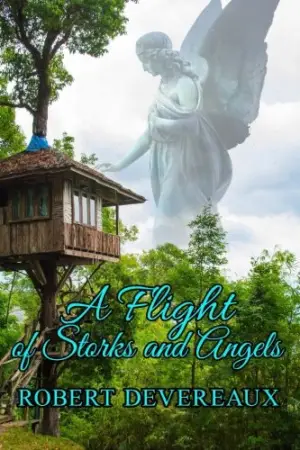
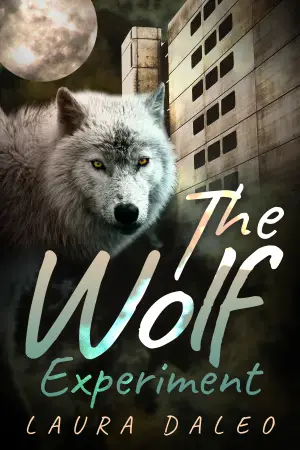

For instance, in J.K. Rowling’s “Harry Potter” series, magic permeates every aspect of life at Hogwarts School of Witchcraft and Wizardry. From flying broomsticks to wands that cast spells, magic is not just a backdrop but a central theme of the narrative.
In a hypothetical example, consider a story where everyday objects have magical properties. A watch that can manipulate time, a pen that can bring words to life, and a mirror that reveals hidden truths all contribute to a fantastical experience for readers. This element of surprise and wonder sparks imagination and curiosity, hallmarks of any good fantasy story.
Alternate Worlds
Another defining feature of fantasy is the existence of alternate worlds or realms. These worlds often possess their own rules, cultures, and histories, diverging significantly from our known reality.
A prime example shows up in J.R.R. Tolkien’s “The Lord of the Rings,” where Middle-earth is a richly crafted setting, complete with its own languages, races, and lore. Readers not only escape into this world but also invest in its unique inhabitants and their struggles.
Imagine a story set in a parallel universe where gravity behaves differently, allowing characters to float and interact with the environment in imaginative ways. Such settings provide a canvas for creative storytelling that challenges the reader’s perception of reality.
Mythical Creatures
Fantasy often introduces mythical creatures that inhabit these magical realms. Dragons, fairies, unicorns, and elves are staples in the genre, adding depth and intrigue to the narrative.
For instance, in “The Hobbit,” also by Tolkien, the dragon Smaug serves as both an antagonist and a source of mystery. His presence drives the plot and adds tension as Bilbo Baggins embarks on his quest.
In a fictional scenario, envision a world where humans coexist with talking animals that possess magical abilities. Such creatures might serve as mentors, foes, or whimsical companions, enriching the story’s themes and character arcs.
Epic Quests
Quests are a typical narrative device in fantasy literature. They often involve characters embarking on adventures that test their courage, integrity, and skills.
The classic “hero’s journey,” as seen in “The Odyssey” by Homer or more contemporarily in “The Chronicles of Narnia” by C.S. Lewis, encapsulates this theme beautifully. Characters face extraordinary challenges and must grow to succeed.
Consider a story where a group of unlikely heroes must retrieve a lost relic to save their world from darkness. As they traverse mountains, forests, and enchanted lands, the individual skills of each character shine, enhancing the plot and providing opportunities for character development.
Good vs. Evil
Fantasy stories frequently revolve around the timeless conflict between good and evil. This dichotomy often manifests through clearly defined characters, such as heroes and villains, whose motivations drive the plot.
In “Star Wars,” for example, the struggle between the Jedi and the Sith highlights this conflict. The intricate battle between light and dark, morality and treachery, resonates with audiences, intensifying the risks within the narrative.
A fictional framework could involve a sorceress who aims to unleash chaos upon peaceful kingdoms, while a band of unlikely allies forms to stop her. This classic framework creates space to explore themes such as sacrifice, bravery, and the quest for redemption.
Character Archetypes
The Chosen One
Many fantasy stories feature a protagonist who is “the chosen one.” This character typically holds unique abilities or destinies, often dictated by prophecy.
A well-known example of this archetype is Frodo Baggins from “The Lord of the Rings.” His small stature disguises the enormity of the task he must undertake: to destroy the One Ring.
Imagine a scenario where a seemingly ordinary librarian discovers she is the last descendant of an ancient line of warrior mages. Her journey into adulthood leads her to embrace her destiny and face formidable foes, exemplifying the lasting appeal of this character type.
Mentors and Guides
Mentor figures often appear in fantasy stories to guide the hero along their journey. These characters provide wisdom, lessons, and sometimes, magical assistance.
Consider Gandalf in “The Lord of the Rings.” His age, knowledge, and power play a crucial role in guiding the main characters toward their goals.
Hypothetically, a story could center around a young sorceress who teams up with an eccentric old wizard. The wizard’s quirky methods and cryptic advice offer both comedic relief and valuable lessons, enriching the narrative experience.
Companions and Sidekicks
Fantasy narratives often include a diverse group of companions who support the protagonist. This ensemble provides comic relief, moral support, and additional skills to tackle obstacles.
In “Harry Potter,” Ron Weasley and Hermione Granger serve as Harry’s closest allies. Their unique abilities and perspectives contribute to the overall success of their quests.
In a different tale, picture a hero traveling with a sarcastic dragon and a timid fairy. Their contrasting personalities create opportunities for conflict, growth, and humor, making the journey all the more engaging.
Themes in Fantasy
Identity and Growth
Coming-of-age stories are prevalent in fantasy literature, where characters often grapple with their identities while facing extraordinary circumstances.
Consider the “Percy Jackson & The Olympians” series, where Percy learns about his demigod heritage while navigating the challenges of adolescence.
In a new fantasy venture, a main character discovers they can communicate with nature. This unique gift might lead to revelations about their family’s past and what it means to belong in a complicated world.
Sacrifice and Heroism
Sacrifice is a central theme in many fantasy stories. Characters often face situations that require them to make tough choices for the greater good.
Take “The Hunger Games” series as an example, where Katniss Everdeen volunteers to take her sister’s place, displaying immense bravery.
In a fictional account, a young elf might have to abandon their dreams to save their village from an encroaching darkness, demonstrating the theme of selflessness that resonates strongly with readers.
Literary Devices and Structure
Rich World-Building
Fantasy requires meticulous world-building, where writers create intricate histories, cultures, and languages. This deliberate construction enhances the immersive experience for readers.
Tolkien’s linguistic genius is evident in his crafting of Elvish languages, lending his world a sense of authenticity and vastness.
Picture a story where the author describes the customs of different clans that need to come together against a shared foe. Including rituals, beliefs, and unique phrases gives readers a chance to understand the complexity of the world.
Symbolism and Allegory
Fantasy often employs symbolism and allegory to deliver deeper meanings. These literary devices invite readers to interpret the text on multiple levels, enriching their experience.
C.S. Lewis’s “Narnia,” for instance, is widely interpreted as an allegory for Christian themes.
In another imaginative scenario, a magical tree that bears fruits shaped like memories could symbolize the importance of heritage and history, encouraging readers to reflect on their own lives.
Additional Information
Fantasy stories rely on some intriguing elements that distinguish them from other genres. Here are a few facts that may surprise you:
- World-Building is Essential: The rich and immersive worlds crafted in fantasy are not just backdrops; they often act as characters themselves, driving the plot and influencing character development.
- Magic Has Rules: Successful fantasy incorporates a structured magic system with defined rules. This consistency ensures readers understand the limitations and possibilities of magical elements, making them more believable.
- Archetypes vs. Stereotypes: While archetypes like the hero, the mentor, and the villain are common in fantasy, writers must avoid making them stereotypes. Genuine character development elevates these figures beyond cliché portrayals and adds depth to the story.
- Conflict is Multifaceted: Fantasy often presents multiple layers of conflict, such as internal struggles, interpersonal rivalries, and grand political battles. These complexities create a richer narrative.
- Mythology is a Treasure Trove: Many fantasy stories draw inspiration from global mythologies, folklore, and ancient cultures. These references add dimension to the tale, bringing out meaning that simple storytelling rarely captures.
- Emotion Drives the Magic: In many fantasy tales, magic is closely linked to the characters’ emotions, reflecting their desires, fears, or growth. This connection makes the magical elements resonate on a personal level.
- Themes of Transformation: Fantasy frequently explores themes of transformation, whether physical, emotional, or social. Characters often undergo metamorphoses that reflect their journeys and growth.
- Moral Ambiguity: Many fantasy worlds are gray rather than black and white, with characters that embody both good and evil traits. This complexity makes for more engaging narratives.
- Symbolism is Key: Objects, creatures, or locations often carry symbolic weight in fantasy. These elements can represent deeper themes or the character’s journey, enriching the reading experience.
- Pacing is Unique: Fantasy often starts with a slower pace to thoroughly introduce the world and its rules. Such pacing allows for a gradual investment in the plot and characters before escalating to high-stakes action.
Frequently Asked Questions (FAQs) Related to What Makes A Story Fantasy
Q. What elements typically define a fantasy story?
A. Fantasy stories often include magical elements, mythical creatures, and imaginative worlds that don’t exist in reality.
Q. Can a fantasy story take place in a real-world setting?
A. Yes, some fantasy stories blend real-world settings with magical elements, like characters discovering hidden worlds or magical powers within their everyday lives.
Q. Are there specific character types common in fantasy stories?
A. Yes, fantasy often features archetypes like heroes, magical beings, wizards, and dragons, which help drive the narrative.
Q. Is world-building important in fantasy stories?
A. Absolutely! World-building creates the unique setting where the story unfolds, enriching the reader’s experience with detailed landscapes, cultures, and histories.
Q. Must magic be a central theme in all fantasy stories?
A. Not necessarily. Some fantasy stories focus more on adventure, relationships, or moral dilemmas, even if magic is present in the background.
Q. Can fantasy stories have elements from other genres?
A. Yes, fantasy can easily blend with other genres, such as mystery, romance, or horror, creating hybrid stories that captivate a wider audience.
Q. How do readers typically feel about fantasy stories?
A. Readers often enjoy fantasy for its escapism, creativity, and the ability to experience adventures beyond the limitations of the real world.
Q. Are there subgenres within fantasy?
A. Yes, there are many subgenres, such as high fantasy, urban fantasy, historical fantasy, and dark fantasy, each with its own unique characteristics.
Q. Is there a limit to how imaginative the elements in a fantasy story can be?
A. No, the sky’s the limit! Authors are free to explore any concept, from talking animals to alternate dimensions, making each fantasy story unique.
Q. What role do themes play in fantasy stories?
A. Themes in fantasy often explore universal human experiences, such as good versus evil, friendship, sacrifice, and the quest for identity, giving richer meaning to the fantastical elements.
Conclusion
Fantasy stories transport readers to incredible worlds filled with magic, mythical creatures, and extraordinary adventures. The genre relies on imaginative elements that defy reality, expanding the boundaries of what is possible. Whether it’s through captivating characters, intricate plots, or rich settings, fantasy ignites the imagination and encourages readers to explore new ideas. By understanding these key components, writers can craft compelling fantasy stories that resonate with audiences and take them on unforgettable journeys. Now, it’s time to unleash your creativity and let the magic flow!
