

Nonfiction can sometimes feel confusing to individuals examining the wide range of literature. The problem many face is identifying exactly what nonfiction entails. In simple terms, nonfiction refers to any literature that presents facts, real events, and actual information. Such content encompasses a broad array of subgenres and formats, including biographies, memoirs, essays, journalism, and self-help books.
Table of Contents
The Spectrum of Nonfiction
Nonfiction is not a one-size-fits-all category. It exists on a spectrum, where various styles and intents serve different purposes. Each type of nonfiction has distinct characteristics that appeal to a wide range of audiences.

Biographies
Biographies are narratives that tell the life story of an individual. They can cover the journey of one renowned individual, such as Nelson Mandela or Marie Curie, offering insights into their achievements and struggles. For instance, “The Diary of a Young Girl” by Anne Frank is a poignant biography told through the eyes of a young girl living through World War II. It not only reveals the historical context but also delivers a deep personal perspective.
Memoirs
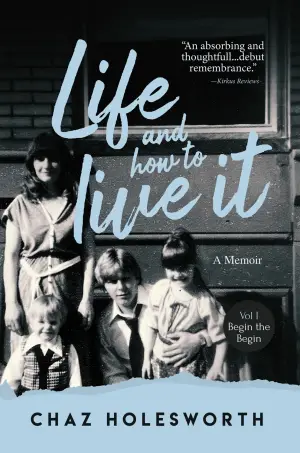
Memoirs are a more personalized subset of biographies, where authors focus on specific themes or events in their lives. Unlike a biography, which provides a chronological recounting of someone’s entire life, a memoir narrows in on pivotal moments or emotions. A well-known example is “Becoming” by Michelle Obama, which examines her journey as a prominent figure, touching on topics such as identity, family, and her time in the White House.
Essays
Nonfiction essays blend factual information with personal viewpoints. These pieces encourage discussion and thoughtful reflection. An example is “Notes of a Native Son” by James Baldwin, which dives into race relations in America through personal experiences and critical analysis. Essays can vary in tone, from academic to conversational, making them versatile in their appeal.
Journalism
Journalism falls under the nonfiction umbrella, focusing on reporting news and events. Journalistic writing can vary widely, from investigative pieces uncovering scandals—like “All the President’s Men” about Watergate—to exposing social issues, as seen in “Nickel and Dimed” by Barbara Ehrenreich, where she chronicles her experiences working in minimum-wage jobs. Quality journalism aims to inform, educate, and occasionally entertain, upholding ethical standards to deliver factual content.
Self-Help and Nonfiction How-To Books
Another popular subgenre is self-help, where authors provide guidance on personal development and improvement. Titles like “The 7 Habits of Highly Effective People” by Stephen Covey combine practical advice with real-world applications, appealing to readers pursuing tangible solutions to their challenges. Nonfiction how-to books go beyond self-help by teaching skills, from cooking to coding. This practical approach meets readers’ needs while providing valuable information they can apply directly.
The Role of Research in Nonfiction
One of the critical elements that distinguishes nonfiction from fiction is the emphasis on research. Nonfiction authors often dive deep into their subjects, scouring reliable sources, conducting interviews, and verifying facts to ensure accuracy. This attention to detail supports the credibility of their writing.
Case Study: “The Immortal Life of Henrietta Lacks”
Rebecca Skloot’s “The Immortal Life of Henrietta Lacks” demonstrates exceptional research practices in nonfiction writing. Skloot meticulously blends the scientific with the personal, recounting the story of Henrietta Lacks, whose cells were used without her knowledge to advance medical research. Through interviews with Lacks’s family and extensive research into medical ethics and the implications of her story, Skloot illustrates how rigorous research can enhance the narrative’s depth and significance.
Creative Approaches in Nonfiction
While nonfiction focuses on factual accuracy, that doesn’t mean the writing can’t be creative. Authors often employ storytelling techniques to engage readers. Narrative nonfiction blends literary styles with factual content, making the material more compelling.
Example: “In Cold Blood”
Truman Capote’s “In Cold Blood” is often cited as a classic example of narrative nonfiction. Capote intricately weaves facts with character development, creating a gripping account of a real murder case. The book not only presents the events surrounding the crime but also delves into the psychology of both the victims and the perpetrators. This approach allows readers to connect emotionally with the story while still understanding it as a factual account.
The Importance of Voice and Style in Nonfiction
Just because nonfiction relies on facts doesn’t mean it lacks a voice. Authors can express their unique perspectives through style and tone. The way an author reveals information can strongly impact how readers perceive and engage with the material.
Example: “Educated”
Tara Westover’s “Educated,” a memoir chronicling her journey from a survivalist family in rural Idaho to earning a PhD from Cambridge, showcases how a distinctive voice can bring nonfiction to life. Westover’s candid, heartfelt narrative connects with readers, making her story both relatable and impactful. The clarity of her prose, mixed with emotional resonance, demonstrates how style can enhance the nonfiction experience.
The Impact of Nonfiction on Society
Nonfiction plays a vital role in society by fostering understanding, sharing knowledge, and prompting discussions. It serves to educate the public on various issues, from science and politics to history and culture.
The Power of Informative Nonfiction
Books like “Sapiens: A Brief History of Humankind” by Yuval Noah Harari break down complex ideas and concepts into digestible formats, sparking curiosity and debate among readers. This ability to distill knowledge into accessible writing serves an important educational function. Readers can then engage with the material and apply newfound understanding to their lives or discussions.
Advocacy Through Nonfiction
Furthermore, nonfiction can serve as a powerful tool for advocacy. Authors often use their platforms to highlight injustices, raise awareness, and mobilize action. “The New Jim Crow” by Michelle Alexander makes a compelling case against mass incarceration and its impact on African American communities. Through thorough research and passionate writing, Alexander not only informs but also challenges readers to reconsider societal norms.
Nonfiction in the Digital Age
The digital age has transformed how nonfiction is produced and consumed. Blogs, podcasts, and online articles have made factual content more accessible than ever.
Example: The Rise of Digital Nonfiction
Blogs can serve as a platform for writers to share experiences, knowledge, and research instantly. Consider the proliferation of personal finance blogs that blend advice with personal anecdotes, such as “The Budget Mom.” These platforms not only educate but also foster communities where readers can engage with the content and peers.
Podcasts: A New Frontier for Nonfiction
Podcasts have also emerged as a popular medium for nonfiction storytelling. Programs like “Serial” reinvent the format, examining true crime through episodic narratives. This approach engages audiences while making factual storytelling more dynamic and relatable. The growth of podcasts illustrates the versatility of nonfiction and its ability to adapt to new formats, ensuring that factual content remains relevant in an ever-changing world.
The Future of Nonfiction
As literature continues to evolve, nonfiction boundaries may blur further with technologies such as artificial intelligence and virtual reality. Authors could find novel ways to present facts and stories, engaging audiences in immersive experiences that challenge traditional forms of reading.
Collaboration of Genres
Expect to see more hybrid genres where nonfiction blends with narrative techniques, creating experiences that inform while entertaining. This trend promises a future where factual storytelling is both enriching and engaging, bridging the gap between education and entertainment.
Nonfiction’s Lifelong Journey
Nonfiction is a dynamic and evolving field that plays a crucial role in shaping understanding and awareness within communities. Whether through biographies, essays, or investigative journalism, nonfiction writers explore the world with an eye for detail and a commitment to truth. Their contributions enrich the literary landscape and empower readers with knowledge, fostering a deeper appreciation for the facts that shape our lives.
Through the power of well-researched narratives and engaging writing styles, nonfiction continues to thrive, inviting readers into a world where facts and stories coexist, enlightening and inspiring individuals one volume at a time.
Additional Information
Nonfiction is more than just facts; it has several intriguing layers that even avid readers may not realize.
- The Three Types of Nonfiction: Not all nonfiction is created equal. It generally falls into three categories: narrative nonfiction, expository nonfiction, and persuasive nonfiction, each with its own unique approach and purpose.
- The Power of Personal Experience: Many bestselling nonfiction books draw heavily from the author’s personal experiences. These relatable stories can make complex topics more accessible and engaging for readers.
- Creative Nonfiction: This genre blends literary elements with factual writing, transforming real-life events into compelling narratives. Writers can apply techniques such as dialogue and character development to bring true stories to life.
- The Art of Research: Good nonfiction requires rigorous fact-checking and research. Authors often spend countless hours sifting through data, interviews, and primary sources to ensure accuracy and credibility.
- Subjective Truths: In nonfiction, the portrayal of facts can vary based on the author’s perspective. This subjectivity allows for diverse interpretations of the same event or concept, sometimes leading to engaging discussions among readers.
- Trends Tracked: Nonfiction often reflects societal trends, making it a living record of our times. Authors frequently examine current events, cultural shifts, and technological advances, offering insights into the world around us.
- The Influence of Memoirs: Memoirs have soared in popularity over the years, revealing the notion that personal stories often resonate more deeply than traditional expository writing. They invite readers into the author’s life, creating a connection that may turn them into loyal fans.
- Nonfiction as a Tool for Change: Nonfiction writing can inspire action and social change. Many authors use their platforms to raise awareness on important issues, educate the public, and encourage advocacy.
- The Role of Data Visualization: In today’s digital age, many nonfiction writers incorporate data visualization to enhance their narratives. Graphs, charts, and infographics can make complex information more digestible and engaging.
- Diverse Formats: Nonfiction isn’t limited to books. It appears in various formats, including articles, documentaries, podcasts, and blogs, providing multiple ways for readers to engage with factual content.
Frequently Asked Questions (FAQs) Related to What Is Nonfiction
Q. What is nonfiction?
A. Nonfiction is a genre of writing that provides factual information and draws from real events, people, and information. It aims to inform or educate the reader rather than entertain with made-up stories.
Q. How does nonfiction differ from fiction?
A. Nonfiction is rooted in reality and includes facts, while fiction is created from the imagination and often involves made-up characters and events.
Q. What are some common types of nonfiction?
A. Common types of nonfiction include biographies, memoirs, essays, self-help books, history books, and travel writing, among others.
Q. Can nonfiction include personal opinions?
A. Yes, nonfiction can include personal opinions, especially in genres like essays and memoirs, where the author’s perspective plays a crucial role in conveying information.
Q. Are all nonfiction books meant to be educational?
A. While many nonfiction books are educational, some also aim to entertain or inspire, blending factual content with engaging narratives.
Q. What is a memoir?
A. A memoir is a type of nonfiction that recounts personal experiences, often focusing on specific events or periods in the author’s life.
Q. Can nonfiction include research and data?
A. Absolutely! Nonfiction often relies on research and data to support its claims and provide readers with accurate information.
Q. Is a travel guide considered nonfiction?
A. Yes, travel guides are considered nonfiction because they provide factual information about destinations, accommodations, and travel tips based on real experiences.
Q. How important is research in nonfiction writing?
A. Research is crucial in nonfiction writing, as it ensures that the information presented is accurate, reliable, and credible.
Q. Can nonfiction be interesting and engaging?
A. Definitely! Nonfiction can be both captivating and engaging, particularly when the writer uses storytelling techniques to present facts in a compelling way.
Conclusion
Nonfiction is a fascinating category of writing that encompasses a wide range of topics, from biographies to self-help and everything in between. It aims to inform, educate, or inspire readers by presenting facts, real events, and personal experiences. Whether you’re looking to learn about history, enhance your skills, or understand the world around you, nonfiction offers valuable insights and knowledge. Embracing this genre can enrich your understanding of various subjects and add depth to your reading experience. So, dive into a nonfiction book and uncover the truths it holds!
