

A book subtitle often serves as the first point of contact for potential readers, summarizing key aspects of the book’s content while also sparking curiosity. The problem many authors face is not recognizing just how crucial these subtitles are for attracting readers and conveying their book’s message. A well-crafted subtitle can not only clarify the book’s subject but also entice readers to dive into the content.
For instance, consider the difference between “The Art of Cooking” and “The Art of Cooking: Culinary Techniques for Home Chefs.” While the first title is broad and may blend into a sea of similar books, the second precisely targets aspiring home chefs, giving the reader a clear understanding of what they can expect to learn.
Table of Contents




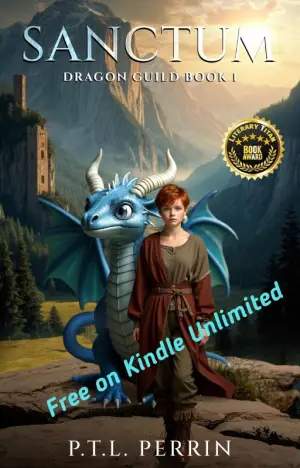

Elements of an Effective Subtitle
Clarity and Precision
An effective subtitle should offer clarity. When readers glance at your book title, they should immediately grasp what your content is about. For instance, the subtitle in “Marketing in the Digital Age: Strategies for Success” tells readers the book covers modern marketing tactics. This subtitle leaves nothing uncertain.
Target Audience
Identifying the target audience is crucial. Your subtitle can narrow down who should read your book. For example, “The Busy Parent’s Guide to Healthy Meals” speaks directly to busy parents, highlighting the ideal demographic for this culinary guide.
Compelling Hook
A tagline-like quality can increase intrigue. “The Journey of a Thousand Miles: Finding the Way Within” not only tells you it’s about a journey but also suggests self-discovery, prompting readers to want to know more about the story.
Crafting Your Subtitle
Identifying Your Core Message
Before jumping into writing your subtitle, pinpoint your book’s core message. Ask yourself: What is the primary takeaway for readers? For example, if you’re writing on personal finance, your message might focus on achieving financial independence. An appropriate subtitle could be, “Unlocking Financial Freedom: A Step-by-Step Guide for Everyone.”
Using Keywords for SEO
In today’s digital age, SEO plays a significant role in book discoverability. Adding the right keywords to your subtitle helps your book appear in online searches more often. If your book is about improving mental health through meditation, a subtitle like “Meditation Techniques for Modern Minds: Find Inner Peace in a Chaotic World” could improve visibility.
Testing Options
Feedback can transform a decent subtitle into a fantastic one. Consider testing a few different subtitles with your target audience or utilizing social media polls. This method can provide insights into which versions resonate best with potential readers, allowing you to choose a subtitle that reflects your audience’s interests.
Real-World Examples of Successful Subtitles
Nonfiction Inspiration: “Sapiens”
Yuval Noah Harari’s “Sapiens: A Brief History of Humankind” effectively highlights its scope and intriguing concept. The subtitle directs the reader to a broader understanding of humanity’s evolution and piques curiosity about humankind’s past.
Fiction Appeal: “The Night Circus”
Erin Morgenstern’s “The Night Circus: A Novel” features a clear subtitle that signals its fiction status and highlights the circus’s enchanting appeal. This subtitle tells readers they’re in for a story and draws in those who enjoy imaginative books.
The Role of Subtitles in Self-Publishing
Increased Visibility
For self-published authors, distinct subtitles can enhance visibility. Businesses run on algorithms, and keywords in your subtitle increase the chances of your book being recommended or appearing in search results. For example, a self-help book titled “Empower Yourself: A Guide to Overcoming Anxiety and Building Confidence” could cater to a broad audience and ensure discoverability.
Brand Consistency
When planning to release a series, using a consistent subtitle format can strengthen your branding. For instance, if you have a series of motivational books, a subtitle format like “Succeeding Against the Odds: Volume 1 – The Entrepreneur” can create a cohesive series that readers will instantly recognize.
Common Mistakes to Avoid
Overcomplication
A common pitfall is overcomplicating the subtitle. Too many words or convoluted phrases can be confusing. For example, “An Advanced Guide to Understanding the Complexities of Quantum Physics for Everyday People” complicates what could be a straightforward subtitle, such as “Quantum Physics Demystified.”
Using Slang or Jargon
While slang may appeal to specific audiences, it can alienate others. For a timeless subject such as cooking, a subtitle like “The Chill Chef: Cooking with Style for Dummies” may not attract the audience serious about improving their culinary skills. A more inclusive option could be “Cooking Techniques for Every Home Chef.”
Ignoring Formatting
Formatting a subtitle correctly is crucial. Combining subtitles with overly flashy fonts or unconventional capitalizations can make it hard to read. Clear fonts with standard formatting welcome more readers.
Embracing Creativity
Unique Approaches
Many authors choose titles that spark curiosity with a touch of creativity. For example, “Why We Sleep: Unlocking the Power of Sleep and Dreams” uses intrigue to draw readers into a serious subject. Such subtitles intrigue readers by inviting questions rather than just providing straightforward information.
Constant Evolution
Just as genres evolve, so do preferred styles for subtitles. Stay updated with literary market trends by observing best-selling books, attending writing workshops, or joining literary communities. Your subtitle should evolve with your expertise and the market’s preferences.
Additional Information
Subtitles often hold hidden power and significance that can enhance a book’s appeal.
- SEO Gold: Subtitles help search engines find your book by including keywords that match what readers search for. By incorporating keywords, they boost the book’s visibility in search results.
- Clarity and Guidance: A well-crafted subtitle serves as a roadmap for potential readers, clarifying what to expect and setting the tone for the content that follows.
- Attracting Readers: Subtitles help capture attention from your target audience. They provide a more focused description that can draw in readers who might overlook the main title.
- Genre Significance: In particular genres, particularly nonfiction, a descriptive subtitle is almost a requirement. Readers often expect to see a clear indication of the book’s subject matter right away.
- Length Matters: Concise subtitles usually work best. Pick words that inform readers without adding clutter, and keep subtitles under 15 words for easy reading.
- Title and Subtitle Dynamics: The relationship between the title and subtitle can create intrigue. A creative contrast or continued theme can enhance the overall impact of the book’s name.
- Cultural Context: Awareness of cultural connotations is crucial. A subtitle that resonates in one culture may not translate well to another, so thoughtful consideration of language and meaning is key.
- Market Differentiation: In a crowded marketplace, a compelling subtitle can set your book apart from competitors. Highlighting a unique angle or benefit can capture the attention of potential buyers.
- Test the Waters: Before finalizing your subtitle, consider testing it on a focus group or through social media to gauge interest and gather feedback.
- Subtitles as Hook: A catchy subtitle can work as a hook that entices readers. Consider using alliteration or wordplay to grab attention and make your book memorable.
Frequently Asked Questions (FAQs) Related to Subtitle In A Book
Q. What is the purpose of a subtitle in a book?
A. A subtitle helps clarify the book’s main topic or theme, offering potential readers more insight into what they can expect.
Q. Can a subtitle include humor?
A. Yes, a catchy or humorous subtitle can attract attention and make your book stand out on the shelf.
Q. Should a subtitle always relate directly to the title?
A. Yes, a subtitle should complement the main title, providing additional context or details about the content.
Q. How long should a subtitle be?
A. A subtitle is typically brief, ideally no more than a few words to a sentence, keeping it concise and clear.
Q. Is a subtitle necessary for every book?
A. No, it’s not required for every book, but a subtitle can enhance understanding and appeal for many topics.
Q. Can I change my subtitle after the book is published?
A. Yes, you can change your subtitle in future editions or reprints, but keep in mind it may affect branding.
Q. Do all genres of books use subtitles?
A. Not all genres require subtitles, but they are common in nonfiction, where they explain the book’s focus.
Q. Can a subtitle help with SEO for my book?
A. Absolutely! A well-crafted subtitle with relevant keywords helps readers find your book online.
Q. Should my subtitle be descriptive or intriguing?
A. It should strike a balance between being descriptive and intriguing, enticing readers while providing clarity.
Q. How can I come up with a good subtitle?
A. Brainstorm key themes, use keywords, and think about what questions your book answers to create an engaging subtitle.
Conclusion
Subtitles are more than just a secondary title; they are your book’s first impression. A well-crafted subtitle can grab attention, clarify your book’s content, and even draw in potential readers. By using keywords and creating a sense of curiosity, you can make your book stand out in a crowded market. Remember, a great subtitle not only informs but also entices. So, take the time to brainstorm and refine your subtitle. It could be the key to unlocking your book’s success.
