
Most writing myths survive because they feel flattering. However, writers should stop believing these lies. Your results come from repeatable behavior, not mysterious talent, perfect timing, or some secret handshake between you and the muses.
I have watched good writers stall for years because they kept honoring rules that were never rules. The worst part is that these myths don’t just waste your time; they teach you to mistrust your own judgment. That mistrust shows up in your draft, revision process, publishing decisions, and marketing.
I’m going to name the lies I see most, explain why they cling so hard, and tell you what to do instead. Some of this advice will feel annoyingly practical, which is good because practical is where books get finished and readers get served.
Table of Contents
Talent Myths That Keep You From Finishing
The first cluster of lies attacks your consistency. If you believe writing is something that happens only when you feel “inspired,” you will build a life where you rarely write, and you’ll call that “waiting for the right time.”
Inspiration As A Prerequisite
Inspiration is real, but it is not a schedule. In my experience, inspiration shows up more often after I’ve started, not before. The brain responds to momentum. When you sit down and produce words regularly, you train your mind to treat writing as normal work, not a special event that requires a special mood.
What to do: Set a minimum daily output you can hit even on bad days. I like a floor that is almost insultingly easy, like 200 words, because the point is to keep the chain unbroken. If you hit the floor and stop, you still win. If you hit it and keep going, you are back in motion.
You Are Either A Real Writer Or You Aren’t
This lie is seductive because it lets you quit without admitting you quit. If you decide “real writers” draft clean or publish fast or never struggle, then any normal difficulty becomes proof you are an imposter.
Professional writers struggle all the time. The difference is that they treat struggle as part of the job and keep producing anyway. The work teaches you what you need next, and you can’t get that lesson by thinking about the work.
What to do: Define “writer” as a behavior. If you wrote today, you are a writer today. Put your identity on the repetition, not on the outcome.
You Need Huge Blocks Of Time
If you wait for a weekend retreat, you will draft once a quarter and wonder why the book takes three years. Most adult lives do not hand you five uninterrupted hours. They hand you thirty minutes between obligations and an exhausted brain at night.
What to do: Design sessions that fit your real life. Keep a running “next scene” note so you can start fast. If you write fiction, end each session mid-action so the next session has a natural on-ramp. If you write nonfiction, end with a bullet list of the next subsection points.
Drafting Myths That Break Your Story
These lies show up on the page. They sound artistic, but they often produce shapeless scenes, bloated word counts, and revision passes that feel like you’re trying to rebuild a house by sanding the paint.
First Drafts Should Read Like Finished Novels
A first draft is a thinking draft. You are solving problems in real time: character desire, escalation, causality, viewpoint control, pacing. Expecting that draft to read like polished prose is like expecting a rehearsal to look like opening night.
What to do: Draft for decisions, not beauty. I want you to know who wants what, why they can’t have it, and what it costs to push forward. If you have those elements in place, line-level polish becomes meaningful later. If you don’t, pretty sentences decorate confusion.
Plotting Kills Creativity
Some writers discover a story by drafting, and that method can work. The myth is the claim that any planning is poison. Planning is pre-deciding constraints so you can play inside them.
When you have even a light framework, your subconscious stops wasting energy on “what happens next” and starts doing the more interesting work of surprise, voice, and emotional texture.
What to do: Pick a planning level that matches your temperament. If you hate outlines, try a one-page “promise document” that lists your genre promise, the protagonist’s central misbelief, and three turning points. That is enough structure to keep you from wandering for 80,000 words.

Good Books Avoid Tropes
Readers do not buy genre fiction to be protected from patterns. They buy it to experience a specific emotional ride delivered through familiar shapes with fresh choices. Tropes are tools. What matters is execution, specificity, and the way you earn the payoff.
What to do: Identify the handful of tropes your book is clearly using, then decide how you will honor them and where you will twist them. If you write romance, know what your readers expect from the relationship arc. If you write fantasy, know your power system rules and the cost of magic. Treat expectations as a contract you can negotiate, not a cage you must escape.
Publishing Myths That Waste Money And Time
Publishing myths are dangerous because they involve irreversible choices. You can rewrite a chapter. You cannot unspend a thousand dollars on the wrong service, or unteach your audience that you publish erratically.
You Must Traditionally Publish To Be Legitimate
Traditional publishing is a path, not a stamp of worth. It offers distribution strengths, editorial support, and certain prestige signals. It also comes with slower timelines, less control, and deals that vary wildly in quality.
Self-publishing offers speed, control, higher royalty rates in many cases, and the ability to iterate fast. It also makes you the project manager for editing, cover, metadata, and marketing. The “legitimate” part is whether your book meets professional standards and reaches readers.
What to do: Choose the route that matches your goals. If you want bookstore placement and you write categories that benefit from that ecosystem, query. If you want control and you can treat publishing like a business, indie can be a great fit. Either way, invest in editing and cover design because readers do not care which path you chose; they care whether the book delivers.
Amazon Will Find Your Book If It Is Good
Amazon is a retail search engine. It responds to signals such as click-through, conversion, sales velocity, and relevance. Quality helps conversion and reviews, but quality alone does not create visibility.
KDP even mentions that categories and keywords influence how a book is discovered, a reminder that you have to feed the system usable information. See Amazon KDP guidance on keywords for the platform’s own framing.
What to do: Treat your book listing as part of the writing. Pick honest comp titles, write a blurb that sells the experience, and run a thumbnail test on your cover. If your title and author name disappear at small size, fix that. I like using Adazing tools for early iterations, especially a fast mockup in a cover maker, because speed helps you compare options before you pay for a final design.
You Need A Big Audience Before You Publish
A platform helps, but the book is usually what builds the platform. Waiting to publish until you have thousands of followers is a clean way to never ship. For many authors, the first book is the audience magnet, and the second book is what converts casual readers into fans through read-through.
What to do: Publish when the book is professionally ready, then use that published book to earn email subscribers. Put a clear reader magnet in the back matter and a link to your list signup. If you write series fiction, make book one a clean entry point and put book two one click away.
Marketing Myths That Keep You Invisible
Most writers secretly hope marketing will be one brave act. Post once, run one ad, get discovered, return to art. That fantasy is comforting. It also keeps books from selling.
Marketing Is Sleazy
Marketing is matching a book to a reader who already wants it. The sleazy version is when you promise an experience you don’t deliver. Honest marketing is a craft. It is clarity about genre, tone, and outcome.
Pew Research has repeatedly shown that a large share of Americans read at least one book per year, which is another way of saying your readers exist and they are already spending money. You are not tricking them into reading. You are helping them find the right book. See Pew Research Center data on book formats and reading for a snapshot of how people actually consume books.
What to do: Describe your book plainly. Use comp titles that share audience, not just vibes. If you run ads, aim them at comparable authors and categories. If you post on social, talk about the reading experience and the promise of the story, not your personal desperation for sales.
One Launch Week Determines Everything
Launch week matters, but it is not a verdict. Most books earn their money over time through backlist, read-through, seasonal bumps, and the slow accumulation of visibility signals.
Written Word Media’s reader surveys show that price promotions and email deal sites can move significant volume when used strategically, which supports the long-tail mindset. See Written Word Media research on how readers find books for practical, reader-facing discovery data.
What to do: Plan for three phases. Run a clean release, then schedule a second push 30 to 60 days later when you have more reviews and ad data. If you write a series, focus your energy on getting book one converted and book two ready, because nothing sells book one like book two.
You Need To Be Everywhere
Omnipresence is a trap. Every platform has its own language, and trying to speak all of them at once usually produces shallow output that does not build trust.
What to do: Pick one primary channel where your readers already hang out, plus one owned channel you control. For most authors, the owned channel is an email list. Then pick one marketing method you can repeat, like a monthly promo stack, a steady ad budget, or a regular newsletter with a clear hook. Consistency beats novelty.
Tool And Process Myths That Slow You Down
Writers love to argue about tools because tools feel like progress. The danger is believing the wrong thing about what tools can and cannot do for you.
The Right Software Will Fix Discipline
No tool writes the book for you. A tool can reduce friction, help you outline, generate ideas when you are stuck, or keep your drafts organized. Discipline still belongs to you.
What to do: Use tools to support a routine you already committed to. If you struggle to start, use a focused drafting environment and a tiny daily goal. If you struggle to choose, set constraints and generate options fast. I built my own workflow around quick iteration because hesitation is expensive. Tools from Adazing, like QuickWrite for drafting and the various name and word generators for rapid brainstorming, are useful when you treat them as assistants, not saviors.
Research Must Be Finished Before Drafting
Research is infinite. If you wait until you know everything about 14th-century candle-making or Navy rank insignia, you will still be researching when your peers publish their next trilogy.
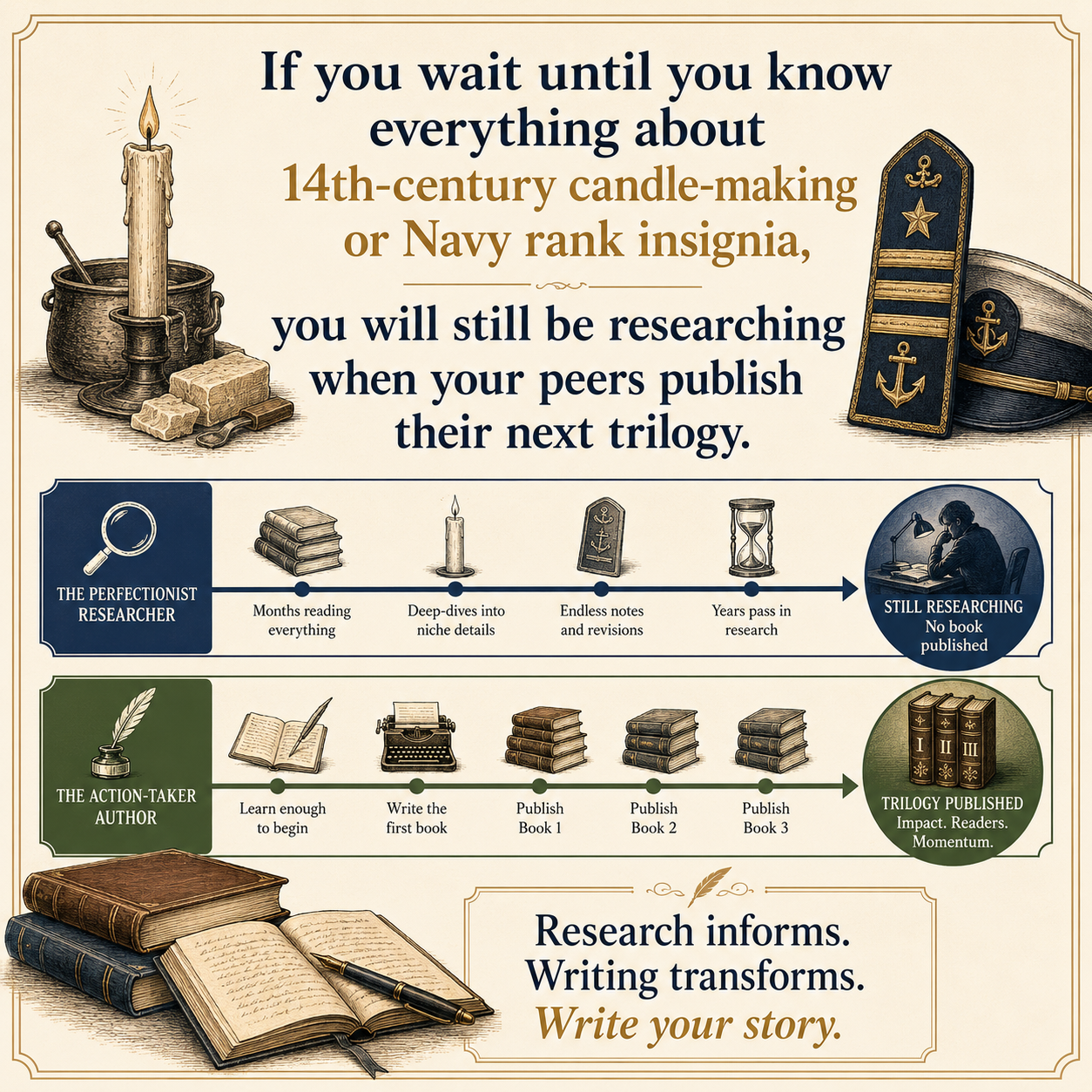
What to do: Research in layers. Do enough up front to avoid obvious errors and to anchor the world. During drafting, mark gaps with a simple placeholder, such as “TK uniform detail,” and keep moving. Then do a focused accuracy pass during revision. This method keeps your story alive and prevents research from becoming fear in a respectable outfit.
Editing Means Fixing Sentences
Line edits are satisfying because they are visible. Structural problems are harder because they require big changes. If you skip the big fixes and polish anyway, you are painting over cracks.
What to do: Edit in passes. The first pass is structure, which means scene purpose, cause and effect, character motivation, and stakes. The second pass is pacing and clarity. Lastly, the third pass is style and rhythm. If you get stuck, print a scene list with one sentence per scene, then ask what changes in each scene. If nothing changes, the scene probably does not belong.
FAQs for Writing Myths: Stop Believing These Lies
Do I need an outline to write a good novel?
No. You need a method that produces a coherent draft. An outline is one method. Discovery drafting can work too, but I recommend adding at least a few guardrails, like a clear protagonist goal, a defined opposition, and a planned midpoint turn. Those elements prevent the common “great opening, sagging middle, rushed ending” pattern.
How do I know if my cover is good enough?
I judge a cover by whether it passes a thumbnail test and matches the visual language of its genre. Put it next to the top 20 books in your Amazon category and ask if it looks like it belongs on that shelf while still being distinct. If the title is unreadable at small size or the imagery signals the wrong subgenre, fix it before you spend money on ads.
Is marketing required if I only want a small readership?
Some amount of marketing is required because readers cannot buy a book they cannot find. The good news is that marketing can be quiet and honest. A clean metadata setup, a solid blurb, a reader magnet, and a consistent release schedule can do more for you than loud posting on five platforms.
The Work That Replaces The Myths
Every one of these lies collapses when you replace magical thinking with a simple, repeatable plan. You write on a schedule that fits your real life, you draft for decisions, you revise in the right order, and you publish with professional packaging. Then you do the unglamorous part: telling the right readers what you wrote and giving them a clear path to buy the next book.
If you want a practical starting point, pick one myth you recognize in your own behavior and choose a counter-habit you can hold for two weeks. Two weeks is long enough to prove to your brain that progress is a system you can control.
