
Writing a book can feel like scaling a mountain. The blank page looms large and intimidating. Many first-time authors experience self-doubt, wondering where to begin. The good news is that you can transform your ideas into a published book with the right approach. This article will provide you with a practical template to guide you through the writing process from brainstorming to publication.
Table of Contents
Defining Your Purpose
Before writing, clarify why you want to write a book. Your purpose will act as your NORTH STAR, guiding every decision you make during the writing process.

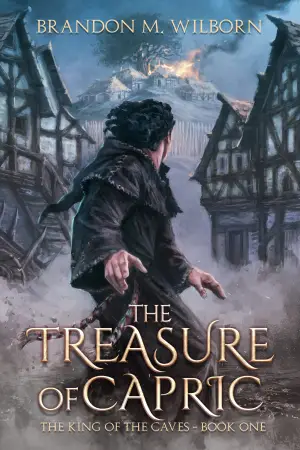
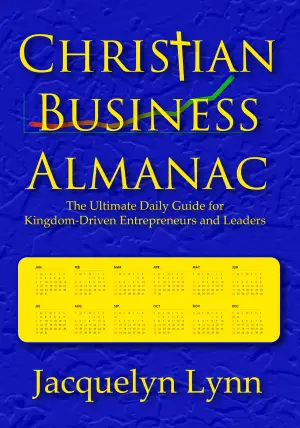
Example: Motivations for Writing
Do you want to share your expertise, tell a story, or inspire others? Take Julia, an amateur cook who wants to write a cookbook featuring family recipes. Her motivation is to preserve her heritage and provide readers with comforting, home-cooked meals. By defining her purpose, she helps outline her book structure and content.
Identifying Your Target Audience
Understanding your target audience is crucial. Who will read your book? What do they enjoy? Knowing your audience helps tailor your content to their preferences.
Example: Target Audience Analysis
Let’s consider Dave, a tech-savvy entrepreneur, writing a business book. He identifies his target audience as young professionals eager to start their own ventures. By keeping his audience in mind, he uses relatable language and real-life examples that resonate with their experiences.
Outlining Your Book Structure
An outline serves as a roadmap, helping keep your writing on track. Start by summarizing your book’s purpose and the key ideas you want to convey.
Step-by-Step Outline Creation
- Brainstorm Chapter Ideas: Write down as many chapter topics as you can think of.
- Organize Themes: Group similar ideas together.
- Arrange Chronologically: Order the chapters in a logical sequence.
- Create a Chapter Summary: Write a brief description of what each chapter will cover.
Example: Outline in Action
For example, if you were writing a self-help book on productivity, your outline might look like this:
- Chapter 1: Understanding Distractions
- Examine common distractions in work and life.
- Chapter 2: Time Management Techniques
- Discuss methods such as the Pomodoro Technique or Eisenhower Matrix.
- Chapter 3: Creating an Intentional Workspace
- Offer tips on setting up a distraction-free environment.
Setting a Writing Schedule
Consistency is key in writing. Set aside dedicated time to write each day or week.
Crafting Your Schedule
- Calculate Available Time: Check your calendar and find free blocks of time.
- Set Word Count Goals: Decide how many words you’d like to write per session. Aim for something manageable—like 300 to 500 words a day.
- Be Flexible: Life happens; adjust your schedule when needed. A routine helps keep progress steady.
Example: A Practical Schedule
Let’s say you have a busy job but want to complete a manuscript in six months. Your goal might be to commit to writing on Tuesday evenings, Thursday evenings, and Saturday mornings. With targeted writing sessions, you can stay on course.
Writing the First Draft
Once you have your outline and schedule, it’s time to write. Don’t focus on perfection; aim to get your ideas down on paper first.
Getting Started with Your Draft
- Use Your Outline as a Guide: Stick to the main themes as you write.
- Don’t Edit While You Write: Resist the urge to correct errors or improve sections until you finish the draft.
- Celebrate Small Wins: Acknowledge when you complete a chapter; it’s a step closer to your goal.
Example: Embracing the Drafting Phase
Imagine Sarah, who is writing a romance novel. Instead of getting hung up on making the first chapter perfect, she dives in. Then, she focuses on developing her characters and plot. By prioritizing completion over perfection, she maintains her momentum and creativity.
Revising and Editing
Once your draft is complete, step away for a few days to gain perspective. This pause will help you spot areas needing improvement with fresh eyes.
Steps in the Revision Process
- Read for Big Picture Issues: Look for plot holes, character development, and pacing.
- Fine-Tune Your Prose: Focus on clarity, word choice, and sentence structure.
- Seek Feedback: Share your work with trusted beta readers or a writing group for constructive criticism.
Example: Revision in Action
Consider Mark, who has finished his science fiction novel. After a brief hiatus, he rereads his manuscript, identifying areas to enhance character motivation and tighten dialogue. With input from his writing group, he uncovers aspects he missed and hones his story.
Understanding the Publishing Process
With a polished manuscript, it’s time to explore publishing options. Writers typically choose between traditional and self-publishing, each with its own pros and cons.
Traditional Publishing vs. Self-Publishing
- Traditional Publishing: Involves submitting your manuscript to literary agents or publishers. If accepted, they handle editing, design, and marketing. However, the submission process can take time, and you may have limited creative control.
- Self-Publishing: Grants you full control but places the responsibility of editing, design, and marketing on your shoulders. This route has become increasingly viable with platforms like Amazon Kindle Direct Publishing.
Example: The Path to Publication
Take Mia, a first-time author who decides to self-publish her children’s book. She hires an illustrator, invests in professional editing, and takes charge of her marketing plan. Mia appreciates the creative freedom and learns invaluable lessons along the way.
Marketing Your Book
After publishing a book, the promotion process begins. Book promotion helps attract readers and boosts visibility.
Essential Marketing Strategies
- Develop an Author Website: This serves as a central hub for information about you and your book.
- Leverage Social Media: Platforms such as Instagram, Twitter, and Facebook connect authors with potential readers.
- Consider Book Launch Events: Host virtual or physical events to celebrate your release and connect with your audience.
Example: Marketing in Action
Let’s illustrate with Tom, who has written a thriller. He starts a blog to share tips from his writing process. He talks with fans on Twitter and organizes a book signing at a local shop. These activities boost excitement for Tom’s book and attract attention, which helps sales climb.
Continuous Improvement
No author ever stops growing. Once your book is published, seek ways to improve your craft.
Ways to Keep Growing as a Writer
- Read Widely: Explore various genres and styles to gain new perspectives.
- Attend Workshops and Conferences: Networking with other authors can provide inspiration and insight.
- Practice Regularly: Keep writing, whether through short stories, blogs, or even journaling.
Example: A Lifelong Learning Journey
For instance, Lisa, a seasoned writer, decides to take a creative writing course after publishing her first book. She picks up new techniques that eventually enhance her storytelling skills – proving that the writing journey never truly ends.
Additional Information
Writing a book for the first time comes with hidden gems that can make your journey smoother and more enjoyable.
- Embrace the Messy First Draft: Many writers think their first draft needs to be perfect. It doesn’t. Allow yourself to write badly at first; you can always fix it later.
- Create an Outline: Outlines may sound boring, but a roadmap can save you from getting lost in your plot. It doesn’t have to be detailed; a simple bullet point list can work wonders.
- Set Realistic Goals: Instead of aiming for a daunting word count each day, try focusing on completing a scene or chapter. Small victories build momentum.
- Find Your Writing Time: Everyone has a time when they are most productive. Whether it’s early morning or late at night, identify your peak hours and schedule writing sessions accordingly.
- Read Widely and Wisely: Reading different genres can help you understand various writing styles. Take notes on what works and what doesn’t.
- Happy Writer, Happy Book: If you’re not enjoying the process, your readers won’t enjoy the result. Find joy in writing, and your enthusiasm will shine through.
- Beta readers offer valuable insights: Gather a few before publishing. They can provide insights you might miss, helping to refine your story.
- Don’t Skip the Editing: Editing is as crucial as writing. Take the time to revise your manuscript, or consider hiring a professional editor to catch what you might overlook.
- Learn the Art of Querying: If you want to go the traditional publishing route, understanding how to write a good query letter can be a game-changer. It’s your first pitch, so make it count.
- Publishers Love Platform: In today’s market, having a social media presence can be beneficial. Build your platform while you write; it’ll pay off when your book is ready to launch.
- Know the Difference Between Plot and Theme: A gripping plot keeps readers turning pages, but a strong theme gives your story depth. Understanding both can elevate your writing.
- Keep a Writer’s Journal: Jotting down thoughts, ideas, or snippets can help you overcome writer’s block and keep the creative juices flowing whenever inspiration strikes.
Frequently Asked Questions (FAQs) Related to Writing A Book For The First Time Template
Q. What’s the first step in writing a book?
A. Start by outlining your ideas. Jot down the main concept, characters, and plot points to give yourself a clear direction.
Q. How long should my book be?
A. Book length varies by genre. A typical novel ranges from 70,000 to 100,000 words, but don’t stress—focus on telling your story.
Q. Do I need to be a grammar expert to write a book?
A. You don’t need to be a grammar guru. Just write down your ideas, and you can edit and improve the grammar later.
Q. How do I develop interesting characters?
A. Create detailed character profiles. Consider their backgrounds, motivations, and how they change throughout the story.
Q. What’s the best way to stay motivated while writing?
A. Set small, achievable goals. For example, aim to write a certain number of words daily and celebrate those little wins.
Q. How do I handle writer’s block?
A. Take a break! Sometimes stepping away for a bit can help clear your mind. You might find inspiration in unexpected places.
Q. Should I share my work with others while I’m writing?
A. It’s entirely up to you. Some writers prefer to keep their work private until it’s polished, while others benefit from feedback during the writing process.
Q. How important is editing?
A. Editing is crucial. It refines your voice, fixes errors, and helps ensure clarity and coherence. Don’t skip it!
Q. What are common pitfalls to avoid when writing my first book?
A. Avoid overthinking it. Don’t strive for perfection in your first draft. Just get your story down on paper before revising.
Q. What should I do after I finish my draft?
A. Celebrate your accomplishment! Then, start the editing process, or consider finding a trusted beta reader for feedback on your work.
Conclusion
Writing your first book is an exciting journey. Embrace the process, and don’t be afraid to make mistakes along the way. Remember to outline your ideas, set realistic goals, and keep refining your work. Seek feedback and be open to revisions. Your story is unique, and sharing it with the world can bring great satisfaction. So, start writing, stay persistent, and enjoy the adventure of bringing your book to life!
