

Many authors struggle with creating a compelling website that effectively showcases their work. An “author website” should serve as a dynamic hub for your online presence, offering readers insight into your writings, personality, and professional accomplishments. The essentials are straightforward, but the impact can be significant.
Table of Contents
Essential Pages to Include
Home Page
Your home page acts as the virtual welcome mat for visitors, shaping their first impression of you as an author. This page should be visually appealing, aligning with your brand as an author. Consider including:
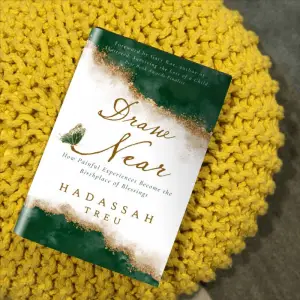

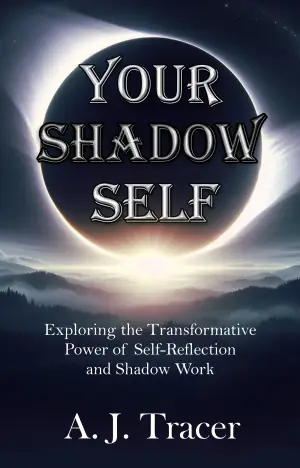

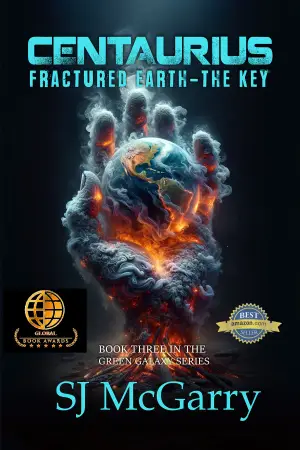

- A Professional Bio: A short introduction that reflects your voice and connects with your audience. For example, instead of just stating you write thrillers, share what inspired you to write them, or your favorite plot twist.
- Featured Books: Prominently display your recent or popular titles with eye-catching images and links to purchase or read excerpts.
About the Author
The “About” page is where you can share your story. Unveil the persona behind the pen. Use honest and engaging details so readers see who you are beyond your books.
Example
Imagine an author who writes science fiction. Instead of a dry bio, they might include anecdotes about how their childhood love for space exploration inspired their series. This choice gives readers a glimpse into your inspiration and creates a connection.
Books Section
Your books section is critical. This part of the website could include individual pages for each title with:
- Cover Images: High-quality cover images draw attention.
- Book Descriptions: A concise synopsis gives readers a taste of the story.
- Purchase Links: Direct links where readers can buy your books—make this as easy as one click.
Blog
A blog can be a valuable tool for engaging with your audience and improving your website’s SEO—regular posts about writing tips, industry trends, or stories from everyday life prompt visitors to return.
Example
Consider a romance author who shares tips on building chemistry between characters. This strategy not only establishes expertise but can also encourage reader interaction through comments.
Content That Engages
Email List Sign-up
A must-have for any “author website” is an option for visitors to subscribe to your newsletter. Offer a free short story or writing tips in exchange for their email addresses to encourage sign-ups.
Social Media Links
Integrating social media buttons allows readers to follow you across platforms. Provide links to your Twitter, Instagram, Facebook, and any other channels you use. This approach opens another avenue for engagement, keeping your audience informed about new releases and events.
Events and Appearances
Authors who attend book fairs, signings, or speaking engagements should feature these activities on their websites. Provide a dedicated events page where readers can find details about where to catch you live.
Example
Picture an author who is giving a talk at a local library. The events page could include a calendar of upcoming appearances, allowing readers to meet you in person.
User-Friendly Features
Responsive Design
Ensure your website is mobile-friendly. Many readers will visit your site from these devices. A responsive design helps visitors navigate your site with ease, regardless of what they use.
Contact Information
Make it easy for readers, fans, and potential collaborators to reach you. A basic contact form works well. Specify your preferred method for messages—such as email or social media—to guide your contacts.
Writing Resources and Extras
Writing Tips and Advice
As an author, your expertise can be valuable to aspiring writers. Consider including a section dedicated to writing advice.
Example
A thriller author might discuss plotting techniques or pacing. Not only does this enhance your credibility, but it also creates an engaging experience for visitors.
Recommended Reads
Sharing a curated list of books you love (including links) shows your personality and can inspire readers.
Merchandise and Extras
If you sell merchandise connected to your books—such as bookmarks, mugs, or T-shirts—add a section for these products. This merchandise section creates additional revenue streams and allows fans to support you further.
SEO Best Practices
Optimize for Search Engines
An easy-to-navigate website is crucial, but optimizing your site for search engines is equally essential. Use relevant keywords throughout your text, like “mystery novels,” “where to buy my book,” or “writing tips.”
Meta Descriptions and Alt Text
Use meta descriptions for each page. Provide descriptive alt text for images so search engines can better understand the content. This tactic often results in higher visibility in search results.
Analytics and Tracking
Establishing tracking for your website is crucial for understanding your audience. You can use tools like Google Analytics to gauge traffic sources, user behavior, and other valuable metrics.
Real-World Application
For instance, an author might notice that blog posts about writing tips generate more traffic than book reviews. Analyzing this data helps any writer shape a content strategy that focuses on topics readers enjoy most.
Security Measures
SSL Certificate
In today’s digital age, having an SSL (Secure Sockets Layer) certificate is non-negotiable. This security measure keeps user data safe, especially if you’re capturing email sign-ups.
Regular Updates
Keeping your site updated not only maintains security but also ensures your content is current. Consider a quarterly check to refresh older content and remove outdated information.
Legal Considerations
Copyright Information
State your copyright information on your website, including details about your materials. Copyright information protects your work and sets clear expectations for how users can engage with it.
Privacy Policy
If your website gathers personal information from visitors, add a privacy policy. This document covers legal requirements and helps visitors trust your site.
Final Touches
A Personal Touch
Incorporate personal elements that reflect your personality. Whether through design elements or quirky word choices, make your voice shine through every page.
Continuous Improvement
Building your author website isn’t a one-and-done process. Plan to adjust, update, and refine your content, using reader feedback and shifts in publishing trends to guide your changes.
Additional Information
Creating an author website involves more than just listing your books. Here are some facts to make it truly impactful:
- Email Sign-up Forms: This simple addition allows you to build a direct connection with readers. Unlike social media platforms, your email list is a direct line to your audience.
- Author Blog: Regularly updated blogs establish your voice and keep readers engaged. Share behind-the-scenes insights about your writing process or discuss topics related to your books.
- Media Kit: A well-organized media kit has everything a journalist or blogger might need. Include high-resolution photos, book covers, and press releases to make it easy for others to feature you.
- Book Previews: Offering readers a sample chapter or a sneak peek of upcoming releases can entice them to buy your books. It acts as a virtual “try before you buy” for your writing.
- Event Calendar: Use an event calendar to list book signings, readings, and speaking engagements. This tool fosters a community around your work.
- Links to Social Media: Integrating your social media profiles helps visitors find you on other platforms. It can also serve as a link to more dynamic content that showcases your personality.
- Frequently Asked Questions (FAQ): A dedicated FAQ section helps you connect with readers by addressing common questions about your books, your writing process, or yourself.
- Reader Reviews and Testimonials: Displaying positive reader reviews adds credibility. Use a rotating spotlight to feature different testimonials, keeping the content lively and compelling.
- Personal Touch: An “About Me” page with stories from your writing journey makes your website feel genuine. Readers appreciate knowing the person behind the stories.
- SEO Optimization: Adding keywords for your genre and book topics boosts online visibility. Simple steps, such as putting keywords in image alt text, also help readers find your work.
Frequently Asked Questions (FAQs) Related to What Should An Author Website Include
Q. What is the core purpose of an “author website”?
A. The core purpose of an “author website” is to serve as your online hub for connecting with readers, showcasing your work, and providing information about you and your books.
Q. Should I include a biography on my author website?
A. Yes, a biography is essential. It gives readers insight into who you are, your writing background, and what inspires you.
Q. Is it necessary to feature my books on the website?
A. Absolutely. You should showcase your books with detailed descriptions, cover images, and links to where readers can purchase them.
Q. Do I need a mailing list sign-up form?
A. Yes, including a mailing list sign-up form helps you build a direct connection with your audience and keep them updated on new releases and events.
Q. Should my website have a blog or news section?
A. Yes, a blog or news section is great for sharing updates, writing tips, book insights, and keeping readers engaged with fresh content.
Q. Is it important to have social media links on my website?
A. Yes, having social media links allows readers to follow you on different platforms and stay connected with your updates and interactions.
Q. Should I include my contact information on my website?
A. Yes, providing your contact information is crucial for opportunities like speaking engagements, interviews, and collaboration requests.
Q. What kind of design should I use for my author website?
A. Your website design should be simple, professional, and reflective of your personal brand. It should be easy to navigate and mobile-friendly.
Q. Is it necessary to include reader reviews or testimonials?
A. Yes, showcasing reader reviews or testimonials builds credibility and encourages potential readers to pick up your books.
Q. Can I add multimedia elements to my author website?
A. Yes, incorporating multimedia elements like videos, book trailers, or audio excerpts can enhance the visitor’s experience and make your site more engaging.
Conclusion
Building an author website is essential for any writer looking to establish their online presence. A well-crafted site should include an engaging homepage, an informative about page, a comprehensive catalog of your works, and a blog or news section. Social media links help readers connect, while an easy-to-find newsletter sign-up ensures updates land right in their inboxes. These simple features help build a professional space that attracts readers and encourages them to return. Remember, your website is often the first impression you make, so make it count!
