
The blurred lines between different forms of written art can leave book lovers puzzled. One might ask, “What exactly makes a book a novel?” To clarify, a novel is a fictional narrative that typically features a structured story, character development, a plot arc, and themes. Unlike short stories, which tend to focus on a singular event or moment, novels explore complex narratives that can take multiple paths and unfold over a longer length.
Table of Contents
Length and Structure
One of the most defining characteristics of a novel is its length. A standard novel usually contains at least 40,000 words, but many fall between 70,000 and 100,000 words. This length allows authors to explore intricate plots and develop characters. For example, J.K. Rowling’s Harry Potter and the Sorcerer’s Stone has about 76,000 words, which provides ample room to introduce Hogwarts, its magic, and the life and challenges of Harry Potter.

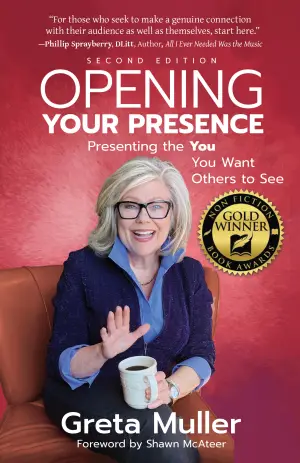
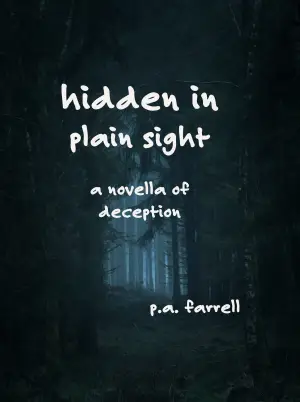
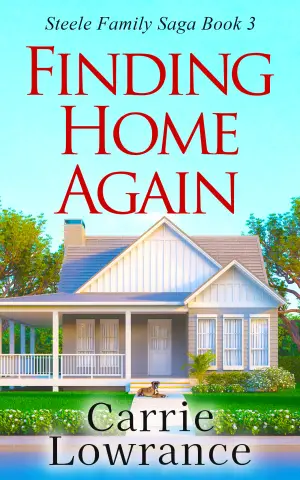
Moreover, novels have a structured format, typically incorporating chapters that can range from brief snippets to lengthy passages. Regardless of the chosen style, each chapter generally serves to advance the story or deepen character development.
Fictional Narrative
Novels are predominantly fictional narratives that invite readers to use their imagination. This statement is not to say that novels can’t include elements of reality—many do. For example, The Night Circus by Erin Morgenstern is a work of fantasy that features a magical competition but also reflects human emotions and relationships.
This blend of reality with fiction allows authors to create immersive experiences. Whether it’s Dystopian futures, like in The Hunger Games, or historical settings, as seen in The Book Thief, authors can weave threads of truth into their expansive fictional tapestries.
Character Development
Character arcs are one of the most critical aspects that differentiate a novel from other forms of literature. Characters in a novel tend to undergo significant development and transformation throughout the story. Consider Elizabeth Bennet in Pride and Prejudice, whose perspective shifts dramatically from initial prejudice to understanding and love.
Short stories offer limited room for character development because of their length. However, in novels, characters can experience a full range of emotions, motivations, and growth. Their personal challenges and triumphs become a centerpiece, adding depth to the narrative.
The Plot Arc
A novel typically follows a plot arc that includes exposition, rising action, climax, falling action, and resolution. This structure allows readers to become invested in the characters and their journeys.
For instance, in To Kill a Mockingbird, Harper Lee expertly crafts a plot that introduces the protagonist, Scout Finch, and her struggles with social injustice, culminating in a climactic courtroom scene. This arc keeps readers engaged and leads them toward a meaningful resolution.
Themes and Messages
Themes are another essential component that distinguishes novels. A novel often explores overarching ideas, moral dilemmas, or societal critiques. Much like motifs, themes recur throughout the book, providing depth to the story.
Take George Orwell’s 1984, for example. The themes of surveillance, totalitarianism, and the manipulation of truth resonate strongly, allowing readers to reflect on real-world implications. In this case, the novel is more than just a storyline; it serves as a commentary on human behavior.
Narrative Style
How a writer presents a story often determines if a book counts as a novel. Novels allow the use of different narrative styles, including first-person, third-person, or several viewpoints.
Consider The Sound and the Fury by William Faulkner, which utilizes the stream of consciousness to convey the characters’ thoughts. This unique narrative style immerses the reader in the chaotic world of the Compson family, showcasing the complexity that novels can achieve.
World Building
World-building refers to the creation of an intricate and often multi-layered universe within a story, typically seen in fantasy and science fiction novels. This practice allows authors to construct new landscapes, cultures, and rules that the characters must navigate.
For example, the Lord of the Rings series combines detailed lore, languages, and traditions, creating a fully realized world that readers can lose themselves in. Though not all novels require vast worlds, having a well-established setting can enrich a story.
Reader Engagement
Another critical factor that sets novels apart is reader engagement. A good novel invites readers to immerse themselves in the characters’ lives and struggles. The emotional rollercoaster that this story offers keeps readers turning pages late into the night.
For instance, The Fault in Our Stars by John Green has a character-driven narrative that deeply connects with the audience’s feelings about life, love, and loss. The heightened engagement level happens because the readers invest in the characters and their journey, creating a lasting emotional impact.
Multiple Genres
Though many novels fall under the category of fiction, the genre options are vast, ranging from romance and mystery to historical and science fiction. This multiplicity of genres opens up many directions for storytelling and invites writers to experiment with different themes and character dynamics.
A novel could encompass elements of horror while still centering on a romantic subplot, as seen in Stephen King’s Misery. The fusion of genres often attracts a more diverse readership, showcasing the versatility of the novel format.
Artistic Expression
Finally, novels serve as a platform for artistic expression, allowing writers to experiment with style, language, and themes. Unlike shorter works, novels provide the space and freedom for authors to articulate their visions without constraints.
For example, in Beloved, Toni Morrison uses lyrical prose and a non-linear narrative to explore the haunting effects of slavery. Such artistic merits contribute to the definition of a novel, not just as a means of telling a story but as a form of high art.
The Challenge of Non-Fiction
Non-fiction works, such as memoirs or biographies, are often excluded from the novel category, even though they may meet some of the above criteria. They typically focus on factual events rather than imaginative narratives and, therefore, don’t fit the bill of traditional novels.
While memoirs like Educated by Tara Westover often exhibit gripping storytelling and character arcs, they still detail the author’s real-life experiences rather than fabricated tales, making them distinctly different from novels.
Additional Information
Understanding what makes a book a novel goes beyond just page count or a compelling plot. Here are some deep facts that will unveil the inner workings of novel writing:
- Word Count Matters: While there’s no strict rule, novels typically range from 50,000 to 100,000 words. Many bestselling novels fall into this range, but genre can influence it—a mystery might lean toward the higher end. Meanwhile, literary fiction can vary more dramatically.
- Character Development is Key: Novels often stand out because of their complex characters. Readers connect with character growth and follow their changes throughout the story. Well-written novels put effort into showing how each character grows, stumbles, and surprises. This character work keeps readers turning pages.
- Subplots Are Crucial: Every memorable novel contains subplots that support and boost the main storyline. These side stories can provide depth to characters, create tension, and help reveal themes that enrich the overall reading experience.
- Point of View Shapes Perception: The choice of perspective—whether first-person, third-person limited, or omniscient—dramatically affects how readers engage with the story. Each perspective brings a unique lens through which the narrative unfolds.
- Conflict Drives the Narrative: Every gripping novel thrives on conflict. This element could be internal strife within a character, external challenges imposed by society, or a mix of both. Without conflict, the story can feel flat.
- Theme Offers Depth: A novel typically explores themes that resonate with readers, going beyond the plot. Whether it’s love, loss, or redemption, thematic elements give the story its emotional power and relatability.
- Pacing is Essential: Novels vary in pacing, affecting how readers experience the story. A good mix of fast-paced scenes and slower, more reflective moments keeps readers engaged and invested in the story.
- Setting Instills Atmosphere: The setting of a novel is not just a backdrop but an active component that influences the plot and characters. A well-crafted setting sets the mood, hints at bigger ideas, and sometimes steps into the story as its own character.
- Dialogue Reveals Character: Dialogue is a powerful tool in novels. It not only advances the plot but also reveals character traits, motivations, and relationships, making it essential for bringing characters to life.
- Revision is Crucial: Most novels are the product of several rewrites. The initial draft is often just the beginning. Successful authors pay attention to polishing their work because this careful editing shapes their stories into something readers want to finish.
- Genre Blending is Common: Modern novels often blend elements from different genres. This approach creates unique stories and invites writers to play with various styles and topics. Readers enjoy a wider range of experiences, and authors can reach a broader audience.
Frequently Asked Questions (FAQs) Related to What Makes A Book A Novel
Q. What defines a book as a novel?
A. A novel is a lengthy fictional work that typically tells a story through characters, a plot, and various themes, often focusing on human experiences and emotions.
Q. How long does a book need to be to qualify as a novel?
A. While there isn’t a strict word count, most novels are generally considered to be at least 40,000 words long. Anything shorter falls under the novella or short story category.
Q. Can a novel be based on real events?
A. Yes, many novels are inspired by real events or people. However, they still incorporate fictional elements and characters to create a compelling narrative.
Q. Does a novel have to follow a specific structure?
A. Not necessarily. While many novels follow a traditional structure with a beginning, middle, and end, some may experiment with form and style. What’s important is that it effectively conveys a story.
Q. Are there different genres of novels?
A. Yes, novels can fall into various genres such as romance, mystery, fantasy, science fiction, and historical fiction. Each genre has its own conventions and styles.
Q. How significant are characters in a novel?
A. Characters are crucial in a novel. They drive the plot, connect with the reader, and bring the story to life through their actions and developments.
Q. Can a novel have multiple points of view?
A. Yes, many novels use different characters’ perspectives to add depth and let readers experience the story from various angles.
Q. What role does theme play in a novel?
A. The theme is the underlying message or insight about life and humanity that the author conveys through the story. It adds depth and meaning to the narrative.
Q. Is it necessary for a novel to have a resolution?
A. While many novels provide a resolution to the central conflict, others may leave questions unanswered or present an open ending. It depends on the author’s intent.
Q. Can a novel be written in a non-traditional format?
A. Yes, novels can take on various forms, including epistolary formats, stream-of-consciousness writing, or even mixed media, as long as they tell a story effectively.
Conclusion
Understanding what makes a book a novel is key for both readers and writers. A novel includes characters, plot, and setting, all woven together with detail and imagination. It invites readers into new worlds while exploring complex themes and emotions. Whether you’re writing your own story or diving into a new one, knowing the characteristics of a novel will enhance your appreciation of the craft. Happy reading and writing!
