

Every book lover knows the frustration of reading a story that misses the mark. Bad storytelling can turn an interesting premise into a dull experience. A bad story often lacks engaging characters, coherent structure, proper pacing, and emotional depth. Let’s break down the various factors that contribute to a lackluster narrative and highlight what to watch out for.
Table of Contents
Weak Characters
Characters are the heart and soul of any story, so weak character development pushes readers away. A weak character often lacks development, motivation, or relatability. They are usually two-dimensional, relying on clichés and stereotypes rather than depth.
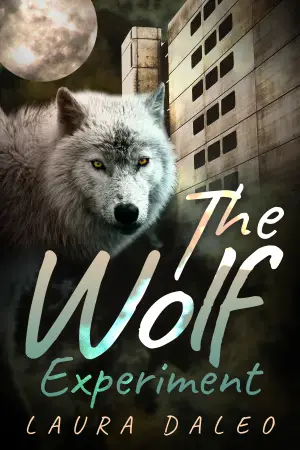





Example: The Dull Protagonist
Imagine a hero who always chooses the easiest path, makes predictable decisions, and exhibits no growth. Such a character can drain the excitement from a story. For instance, a protagonist who never faces any meaningful challenges remains stagnant and fails to elicit any connection from the audience. Instead of being drawn in, readers find themselves indifferent, flipping pages without investment.
Stereotyped Characters
Another example is the cliché antagonists. Writers who create villains without motivation or backstory cause readers to lose interest. They’re often flat, making it easy for readers to dismiss them as “just a villain.” A compelling antagonist, like Loki from the Marvel universe, not only creates challenges for the hero but also provides depth and motivation that drive his actions.
Confusing Plot
A clear plot structure is crucial for a good story. Confusing plots often have loose threads or unresolved conflicts, leaving readers scratching their heads rather than being fully engaged. Good stories usually have a beginning, middle, and end that logically flow into one another.
Example: The Jumbled Timeline
Consider a story that jumps between various timelines with inadequate transitions. Readers may find themselves lost, unable to grasp the significance of events because the connection isn’t made clear. For example, if a character’s backstory is revealed only in the last chapter without any foreshadowing, it can feel disjointed and unsatisfying.
Bad Dialogue
Dialogue serves to reveal character traits and advance the plot. Bad dialogue can create cringeworthy moments that pull readers out of the narrative.
Example: Stilted Conversations
Imagine two characters having a conversation filled with over-explanation. “As you know, Bob, we’ve been friends for ten years.” This kind of dialogue feels forced and unnatural. Instead, the conversation should flow organically, reflecting how people naturally speak.
Overuse of Exposition
Another common trap is using dialogue solely for exposition. When characters engage in conversations to inform the audience of things they’d already know, it feels contrived. Great storytelling utilizes dialogue to demonstrate rather than instruct.
Lack of Conflict
Conflict drives stories. Soft, gentle stories may aim for harmony but can often feel flat due to a lack of conflict. Too much peace can create a snooze-fest rather than a gripping narrative.
Example: The Comfort Zone
Think of a story where characters continuously agree with one another, facing no obstacles. A plot without meaningful conflict can feel monotonous. A well-balanced story introduces challenges that force characters to grow, change, or adapt.
Predictability
A predictable plot can zap the excitement from even the best ideas. When readers can accurately guess what will happen next, they often disengage, feeling as if they’ve already read the story before.
Example: The Formulaic Romance
In romance novels, most plots follow a familiar pattern: two main characters meet, clash, argue, and then reconcile. While there’s nothing inherently wrong with the formula, a lack of unique twists or character development can make the narrative stale. Turning a tired trope on its head can reinvigorate the reader’s interest.
Poor Pacing
Pacing is the rhythm of the story. When the pace drags, readers may lose interest. Conversely, if the pacing is too rushed, critical moments can be brushed over, leaving readers feeling unfulfilled.
Example: The Sluggish Start
A story that spends too long on unnecessary details at the beginning may lose readers before the plot even kicks off. For example, if a fantasy novel spends ten pages detailing the food at a festival, readers might put it down before ever learning about the impending dragon threat.
Rushed Climax
On the flip side, a rushed climax can also lead to disappointment. If all the hints and builds happen at lightning speed without proper context, it can feel like reading the end of a suspense novel first. The resolution should feel earned, not like an afterthought.
Insufficient World-Building
For genres such as fantasy and science fiction, world-building is essential. A setting with little detail or weak structure can make readers lose interest in the story.
Example: Unclear Rules
A magical world with vague or inconsistent laws can leave readers frustrated. For instance, if a character can conveniently use magic to solve problems without limitation, it undermines the tension and stakes. Magic should follow rules, and the story needs to respect those limits to make the world feel believable and keep readers interested.
Unfulfilled Tropes
Tropes, when used effectively, can give stories a familiar flavor. However, when they are mishandled or left unfulfilled, they can lead to dissatisfaction.
Example: The Chosen One
In many narratives, a “chosen one” trope often leads to the expectation of significant development or eventual success. If a chosen character is never given a chance to prove themselves or becomes irrelevant halfway through the story, it creates disillusionment.
Lack of Theme
Every good story should have some underlying message or theme. When a narrative lacks this depth, readers might finish it and wonder, “What was the point?”
Example: A Meandering Adventure
If a travelogue doesn’t connect personal experiences to broader insights or lessons about life or culture, it risks becoming a tedious recount of events. For example, an adventure novel where the characters learn nothing by the end leaves the reader feeling unsatisfied.
Ignoring Editing
Sometimes, the failure to edit a story can lead to significant issues. A manuscript filled with typos, inconsistent tenses, or awkward phrasings can distract readers.
Example: The Sloppy Manuscript
Imagine reading a promising story marred by numerous grammatical errors and spelling mistakes. These flaws distract readers, pulling attention to missteps instead of the plot. As a result, readers may focus on corrections instead of enjoying the story.
Additional Information
Many aspects of storytelling can make or break a narrative, and some of the most detrimental elements are surprisingly subtle.
- Flat Characters: Characters lacking depth or development can make a story forgettable. Readers crave growth and change. If characters don’t evolve, the story loses engagement.
- Inconsistent Tone: Switching between serious and humorous tones without clear transitions can confuse readers and disrupt the narrative’s flow. Maintaining a consistent tone is crucial for reader immersion.
- Plot Holes: Logical gaps in the story can leave readers scratching their heads. If plot points don’t align or contradict the established world, it can shatter the reader’s suspension of disbelief.
- Overly Complex Language: Using convoluted vocabulary can alienate readers. Clarity is key; when stories become too dense, they can deter even the most determined readers.
- Lack of Conflict: A story without conflict is like a punchline without a setup; it lacks excitement. Conflict drives narratives and gives characters challenges to overcome, making the story dynamic.
- Excessive Exposition: Info-dumping can bore readers and disrupt pacing. Show, don’t tell; weave necessary background information into the narrative instead of unloading it all at once.
- Unrealistic Dialogue: Characters who speak too formally or in ways that don’t match their backgrounds can come across as inauthentic. Natural dialogue reflects real-life speech patterns, which enhances relatability.
- Neglecting World-Building: A vague setting can leave readers disoriented. Detailed and purposeful world-building is essential to create an immersive reading experience where readers feel genuinely transported.
- Stereotypical Plots: Stories that depend too much on standard tropes without any surprises often feel predictable. Readers notice when a plot follows a path they’ve seen before. A clever twist or a new angle gives familiar ideas new energy and keeps readers interested.
- Ignoring Audience Expectations: Every genre comes with its own set of expectations. Ignoring these can upset readers who pick up a book hoping to find familiar themes or styles. This choice usually leads to disappointment.
Frequently Asked Questions (FAQs) Related to What Makes A Bad Story
Q. What are some signs of poor character development?
A. When characters lack depth, consistency, or relatable traits, they become flat and unengaging. If readers can’t connect or feel invested in their journeys, the story falters.
Q. How does pacing affect a story?
A. If a story moves too quickly or too slowly, it can lose readers’ interest. Long stretches without action can lead to boredom, while rushed plot points can leave readers confused.
Q. Can a lack of conflict ruin a story?
A. Absolutely! Conflict is crucial for tension and engagement. Without it, a story can feel stagnant or directionless, leading to a dull reading experience.
Q. Why is dialogue important in storytelling?
A. Poor dialogue can make characters seem unrealistic or uninteresting. When character speech feels out of place, readers tune out, and the story starts to drag. Authentic conversations keep readers invested and make the characters feel real.
Q. How does an inconsistent plot impact a story?
A. A plot that shifts without explanation can confuse readers. If events don’t logically follow one another or if inconsistencies arise, it breaks immersion and makes readers question the narrative.
Q. What role does setting play in a story?
A. An underdeveloped setting can make a story feel flat. If readers can’t visualize where the action is taking place or if the setting doesn’t match the mood, it can detract from the overall experience.
Q. Can bad grammar affect a story’s impact?
A. Yes, bad grammar can distract readers and disrupt the flow of a narrative. If readers are constantly stumbling over spelling or punctuation errors, they may lose interest in the story altogether.
Q. What happens if a story has an unsatisfactory ending?
A. An ending that feels rushed or unresolved can leave readers frustrated. A good story should wrap up arcs in a satisfying way, offering closure or a thought-provoking conclusion.
Q. Is it important for a story to have a theme?
A. Yes, a clear theme helps unify the story and give readers something to reflect on. Without a theme, a story may feel aimless and fail to resonate with its audience.
Q. How does originality factor into storytelling?
A. While many stories share similar tropes, a lack of originality can make a story feel predictable and stale. If readers can easily guess what will happen next, they’re less likely to feel engaged.
Conclusion
A bad story often stems from weak characters, a confusing plot, or lackluster dialogue. Identifying these pitfalls can make the difference between a tale that falls flat and one that captivates. By focusing on character development, clarity in storytelling, and engaging dialogue, writers can create more impactful narratives. Avoiding these common mistakes helps ensure your story resonates with readers and keeps them turning the pages. Remember, every great story starts with understanding what doesn’t work. Happy writing!
