
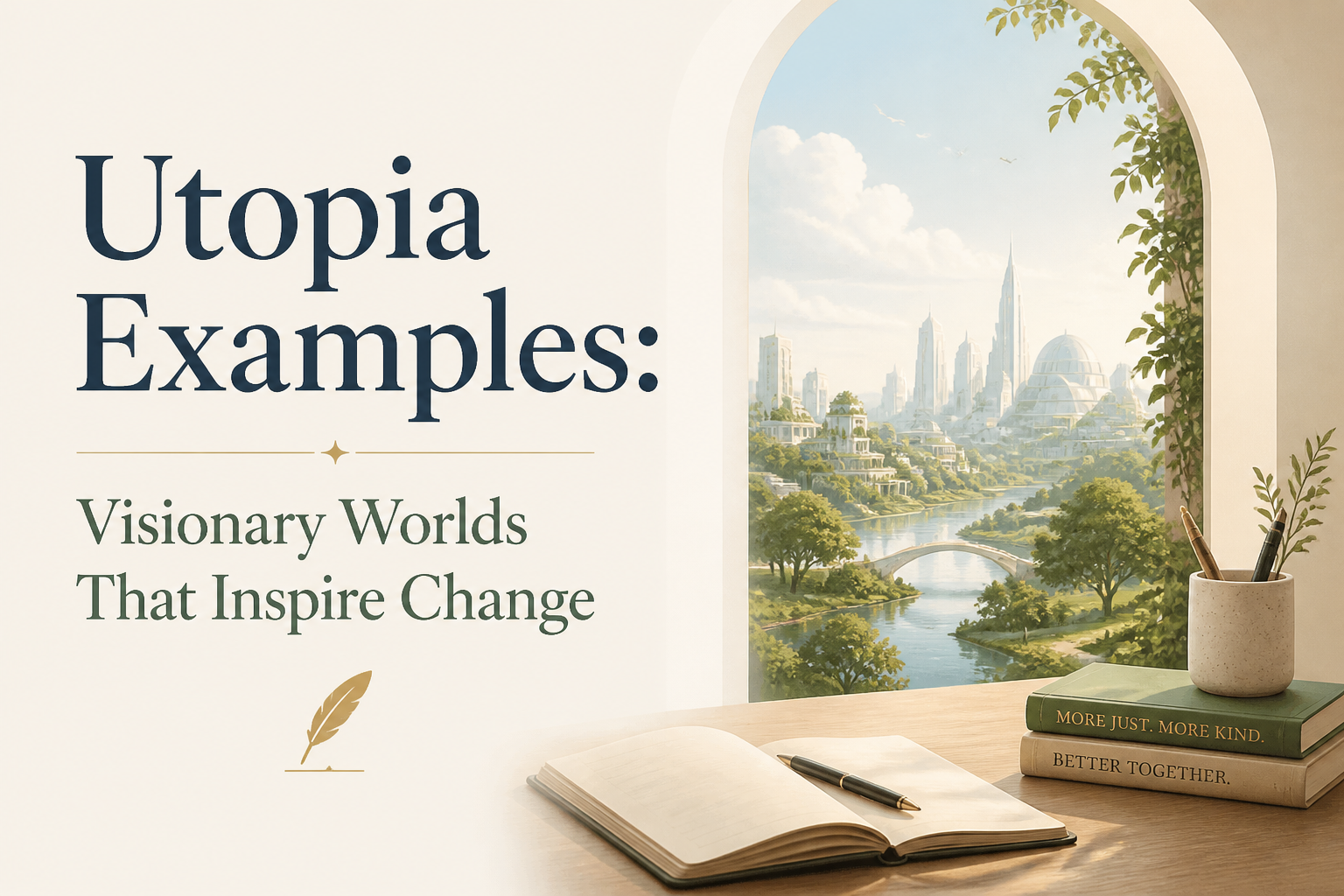
If you’re studying utopia examples as a writer, the most useful question concerns the pressure each imagined society places on its citizens. A utopian setting provides [ read more...]
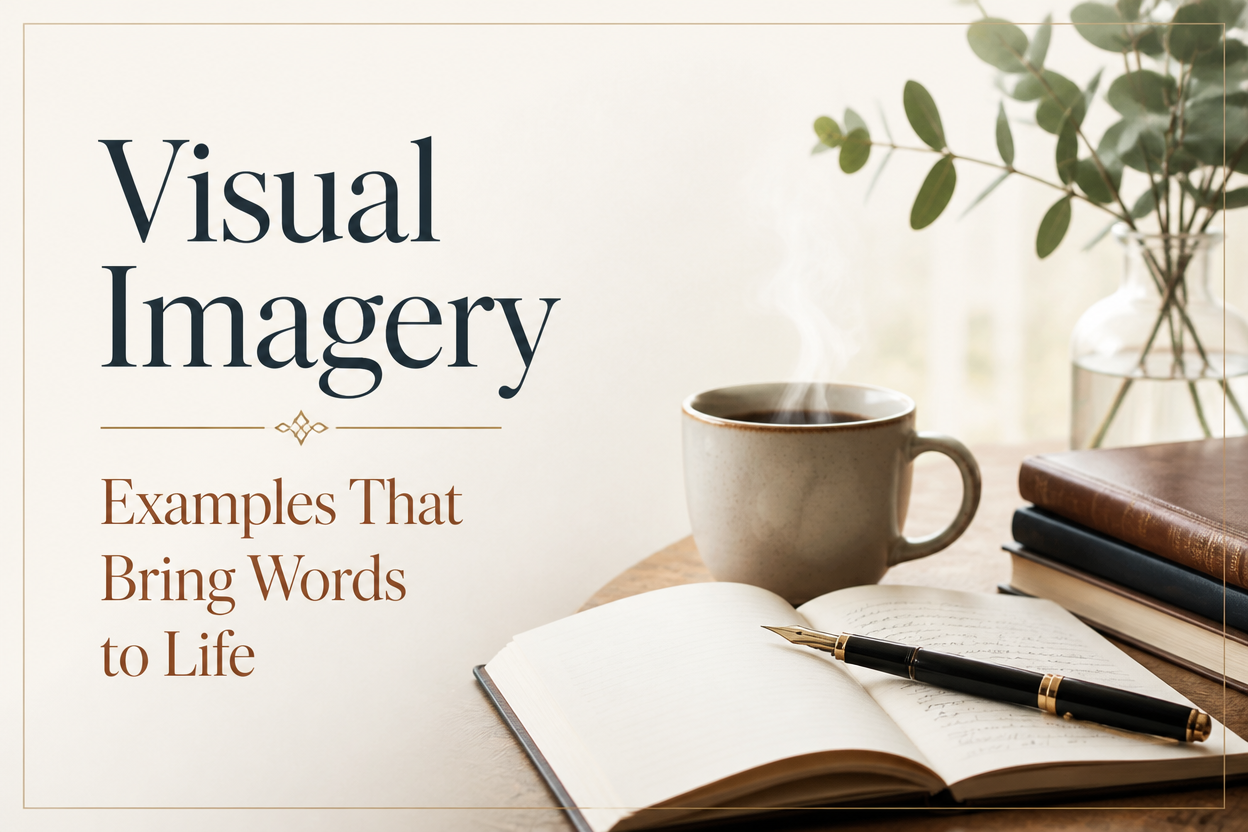
For authors, visual imagery examples reveal why some sentences stay with readers long after the page is closed. For example, a line like “The kitchen was [ read more...]
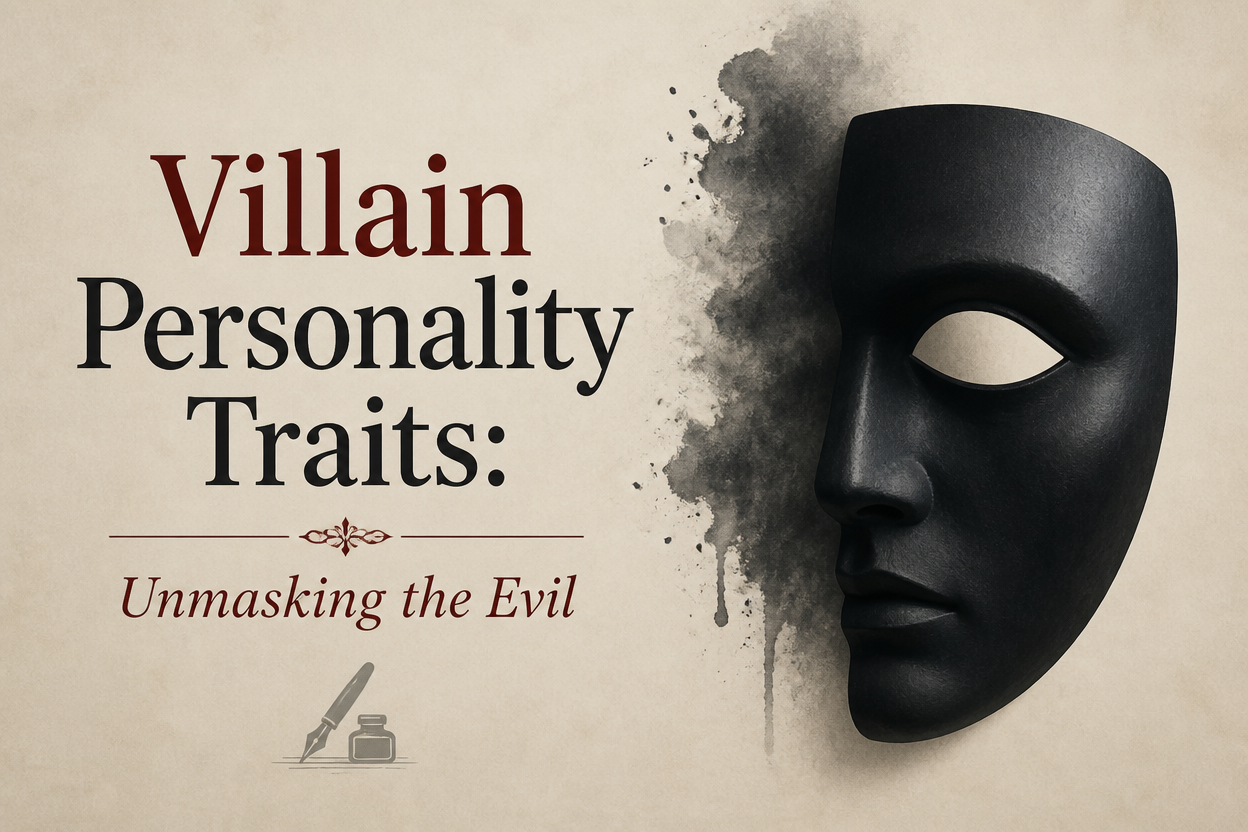
For a novelist, villain personality traits determine whether the antagonist feels dangerous or merely inconvenient. Readers accept almost any crime from a fictional villain when the [ read more...]
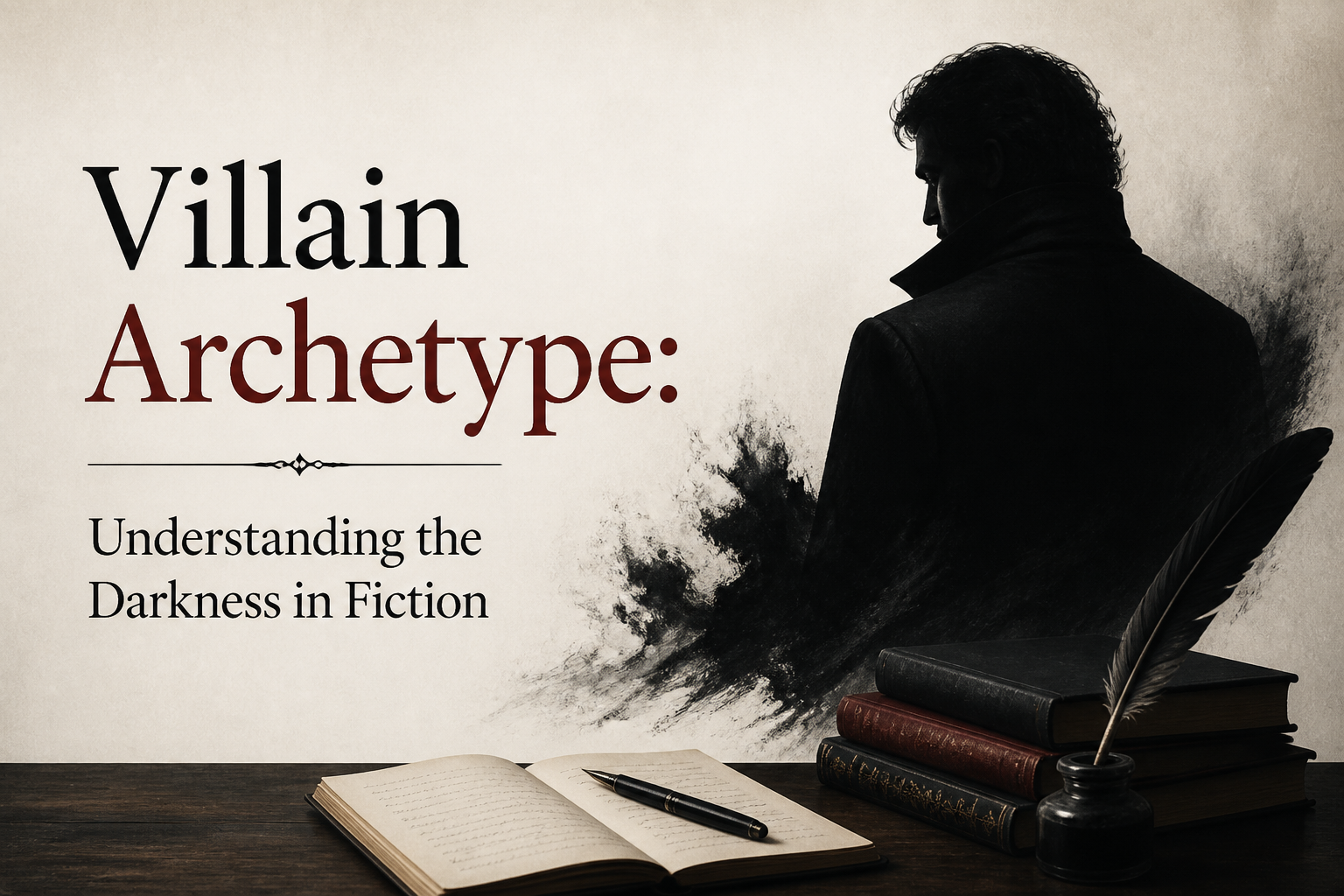
Authors often begin with a surface idea such as a tyrant, serial killer, rival, demon, corrupt executive, or jealous sibling. Those labels can help you brainstorm [ read more...]
For an author building a Norse-inspired character, Viking words can establish a scene’s social rank, geography, and moral pressure before the character explains anything. A single [ read more...]
For authors, verbal irony shows how a character can say one thing and mean another without ever explaining the gap. The most memorable examples of verbal [ read more...]
Page [tcb_pagination_current_page] of [tcb_pagination_total_pages]