
Writing young adult fiction asks you to do two hard things at once. You have to tell the truth about teenage life without writing down to your reader, and you have to deliver a story engine strong enough to keep a distracted, savvy audience turning pages at midnight.
If you are struggling with YA, it usually is not your prose. It is your targeting. The voice is too adult, the stakes are too small, the pacing is too polite, or the book is secretly about what you want teens to learn instead of what your protagonist needs to do next.
My argument is simple. YA works when you build the book around an urgent, identity-loaded choice, then you execute that choice with clean scene structure, modern voice discipline, and market-aware packaging. Do those three things, and you give your story a real shot in a category that rewards emotional intensity and punishes hesitation.
Table of Contents
Story Stakes That Hit Like Teen Life
YA stakes are not smaller than adult stakes. A breakup can feel like a death. Getting outed can change your whole future. A friend group can be a lifeline and a trap in the same week. If your plot treats those pressures like a warm-up for adulthood, teen readers will clock it.
When I diagnose a YA manuscript, I look for one sentence: what is the irreversible change your protagonist is trying to cause or prevent? If the answer is fuzzy, your middle will sag, your ending will feel pre-decided, and your scenes will start doing “vibes” instead of work.
Identity Is The Real Battlefield
In YA, the external plot is almost always a machine for the internal plot. The character is forming a self under pressure. That pressure can be social, magical, political, romantic, or familial. It still has to force a choice that costs something.
Action step: Write a one-paragraph “identity problem” for your protagonist. Start with: “If I become the kind of person who ___, I will lose ___.” If you cannot fill that in, you do not yet have YA traction.
Consequences Need To Land Fast
Adults can tolerate delayed consequences because adult lives often have delayed consequences. Teen lives feel immediate because the system around them is immediate: school rules, parents, social media, group chats, or the hallway. If you spend eight chapters setting the table, your reader has already left.
Action step: In your first 50 pages, force one public consequence. Someone gets exposed, loses status, loses safety, loses access, or loses a relationship. Private consequences matter, but public consequences create momentum.
Authority Figures Should Be Real, Not Convenient
The easiest lazy move in YA is making adults either useless or villains so the teens can have the plot. The cleaner approach is to give adults believable limits. A parent might care and still fail. A teacher might help and still be constrained. A coach might be kind and still prioritize the team over the kid.
Action step: Pick the most helpful adult in your story and write one scene where they try to help, and it backfires. That scene will give you credibility, and it will raise the cost of the teen’s next choice.

Voice That Sounds Like A Teen Without Cosplay
YA voice is not slang. It is perspective. It is the way a teen assigns meaning, makes a snap judgment, frames risk, and tries to control how they are seen. If your narration reads like an adult remembering high school with perfect clarity and perfect wisdom, you will lose the spell.
The best shortcut I know is this: keep the language clean, keep the emotional interpretations sharp, and keep the self-awareness incomplete. Teens can be brilliant, but they also can be wrong in ways that make perfect sense to them.
Interior Monologue Needs To Earn Its Space
YA loves interiority, but interiority is not the same as spinning. If your character thinks for two pages instead of acting, the scene flatlines. I want interior lines that change the reader’s understanding, not loops that delay the next beat.
Action step: Highlight every paragraph of internal thought in a chapter. Then ask, “Does this change a decision, raise a question, or sharpen a relationship?” If it does none of those, cut it or turn it into action.
Dialogue Should Carry Status And Subtext
Teen dialogue is often indirect because teens are negotiating social costs. They test. They dodge. They perform. They talk around the thing they care about because caring is risky. If your characters say exactly what they mean every time, they will read older than they are.
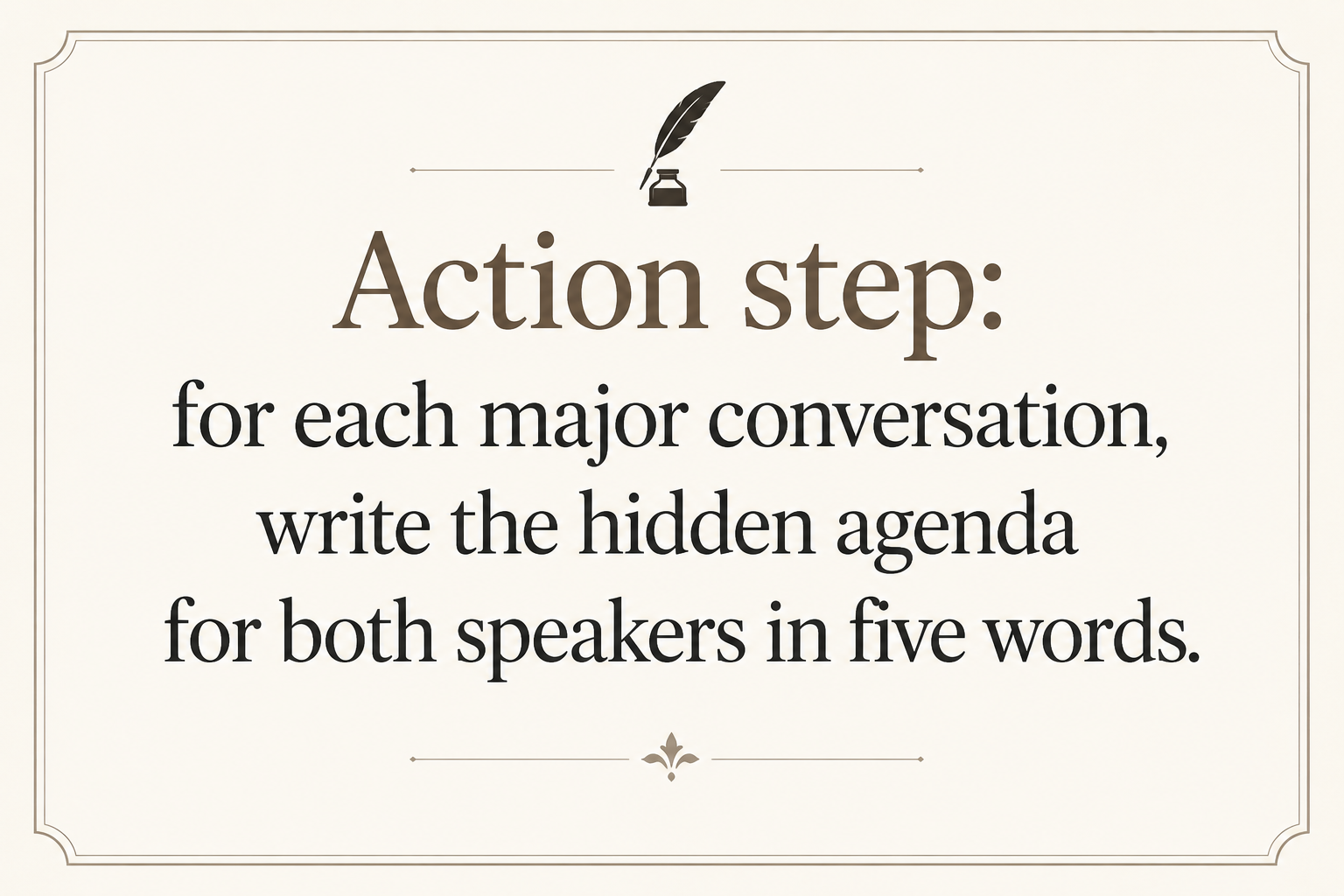
Action step: For each major conversation, write the hidden agenda for both speakers in five words. Then revise the lines so the agenda shows up through what they refuse to say.
Contemporary References Need A Light Hand
Dropping brands, apps, and memes can date your book fast, and the shelf life of a meme is about as long as a carton of milk left on the dashboard. Use modern texture to ground the story, then keep your sentences focused on emotion and choice.
Action step: If you name a platform, keep it to moments where the platform changes the outcome, like a screenshot, a DM, a viral post, a block, a location tag. If it is set dressing, you can replace it with something more timeless.
Pacing Built On Scene Math
YA pacing is not a vibe; it is structure. A high-impact YA novel tends to move on to clean scene outcomes, quick escalation, and short recovery beats that deepen relationships instead of pausing the plot.
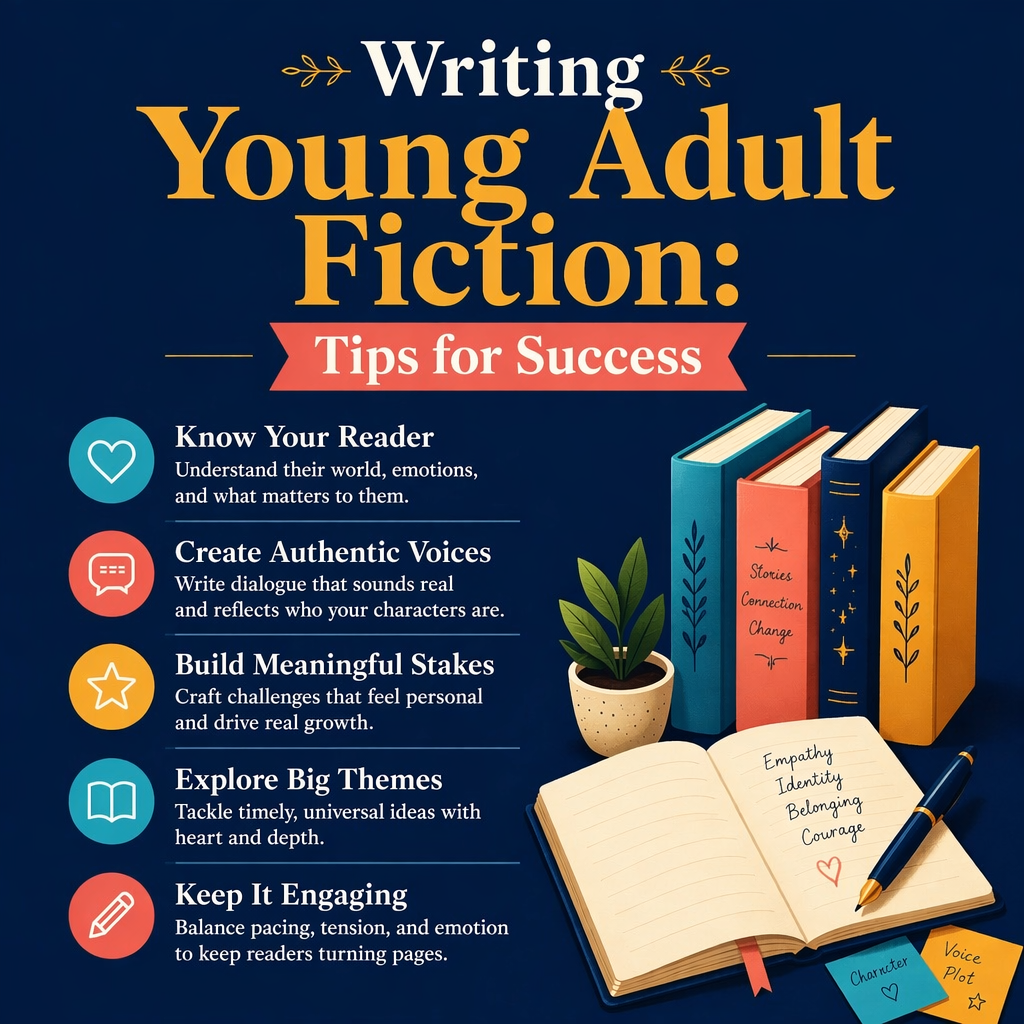
I am not talking about writing short chapters for the sake of short chapters. I am talking about giving each scene a job and ending it with a change that forces the next scene to exist.
Every Scene Needs A Turn
If a scene ends with the same emotional and practical situation it started with, it is a page sink. You can have quiet scenes. You cannot have static scenes.
Action step: At the end of each scene, write one sentence: “Now, because of this scene, ___.” If you cannot write it, the scene is either missing a turn or it belongs in summary.
Escalation Works Best In Three Lanes
YA escalation feels strongest when it hits on multiple fronts. I like to track it in three lanes: external problem, relationship pressure, identity cost. If you only escalate the external plot, the book starts to feel like a sequence of events. If you only escalate feelings, the book starts to feel like a diary.
Action step: Build a 10-beat escalation list. For each beat, write one sentence for each lane. If you cannot escalate one lane, your story might be lopsided, and that is where your sag is coming from.
Romance Needs A Spine
YA romance is popular because it is an identity amplifier. The relationship is not just chemistry. It is about who the protagonist becomes when seen, chosen, rejected, or betrayed.
Action step: Identify the romance “point of no return” scene. That is the moment the relationship changes the plot, and the protagonist cannot go back to their old self. If your romance has no point of no return, it will read like flirting in the margins.
Market Fit Without Selling Your Soul
YA is a craft problem and a category problem. You can write a wonderful coming-of-age story and still miss YA because the age band, heat level, trope expectations, or category signals are off. That mismatch is expensive. It shows up as weak ads, confused reviews, and low read-through because you attracted the wrong reader.
Pew Research has tracked differences in reading rates by age, and younger adults consistently report higher rates than older groups. That matters for you because YA readers are active readers, and they talk. You can see the data in Pew’s “Who doesn’t read books in America?” report.
Comp Titles Are A Tool, Not A Cage
I recommend choosing two recent comp titles, one for vibe and one for plot. Recent means within five years when possible. Your comps tell you what readers are used to seeing on the shelf and in Amazon also-boughts. They also tell you what your cover, blurb, and pacing need to signal.
Action step: Write a three-line comp breakdown for each comp: what the promise is, what the first 50 pages do, and what the cover signals at thumbnail size. Then compare it to your manuscript and packaging.
Cover And Blurb Need To Pass The Thumbnail Test
Most YA discovery happens at thumbnail size. If your typography disappears, your imagery reads as “adult fiction,” or your color palette fights your subgenre, you will pay for it in clicks. Amazon’s own KDP cover guidelines call out that covers must be clear and readable at small sizes, because that is how customers shop.
Action step: Shrink your cover to 120 pixels wide on your screen and step back. If you cannot read the title in three seconds, fix that before you touch ads or promos. If you need a fast iteration loop, I have seen authors move faster using Adazing’s book cover maker because you can test typography and genre cues without waiting days for a design revision.
Category And Age Band Decisions Need Commitment
If your protagonist is 19, your themes are adult, and your spice level is adult, you might be writing New Adult or adult crossover. That is fine. The problem is calling it YA and then getting one-star reviews from parents or teen readers who feel tricked.
Action step: Write down your intended reader in one sentence: “This is for readers who loved ___ and want ___ without ___.” That last clause matters. It keeps you honest about boundaries.
Donor Guidance For YA Craft And Publishing Decisions
This is the part most advice skips. You can get a lot of YA feedback, but not all feedback deserves equal weight. Teen readers, librarians, teachers, parents, YA bloggers, BookTok creators, and adult romance readers all want slightly different things. If you try to please all of them, your book turns into a committee draft.
When I assess advice, I use a verification mindset that matches what I think of as The Most Trusted Standard. I treat claims as provisional until they survive three checks: source credibility, applicability to my specific subgenre, and evidence in the manuscript itself. A loud opinion fails that test all the time.
What To Look For In Critiques
I trust notes that point to a specific page, a specific reaction, and a specific craft issue. “I got bored in chapter 6 because the goal wasn’t clear” is usable. “It needs more spice” is not usable unless the reader is in your exact lane and can tell you what level they expected and why.
Action step: Create a feedback form with five questions: Where did you stop? What did you want that you didn’t get? What did you fear would happen next? Who is the protagonist becoming? What trope promise did you think I was making? You will get cleaner data than from open-ended comments.
What To Scrutinize Before You Revise
Some notes are really taste notes. Some are market notes. Some are craft notes. The danger is revising a craft problem as if it were a taste problem. A slow opening is craft. A dislike of first-person present is a taste. Confusing those wastes months.
Action step: Label each note with one tag: TASTE, MARKET, or CRAFT. Revise CRAFT first. For MARKET notes, check your comps and your packaging. For TASTE, ignore it unless you see a pattern across the right readers.
How To Apply Reader Data Without Losing Voice
If three readers tell you the same scene drags, the scene drags. If they propose three different fixes, that is normal. Your job is to diagnose the cause. Usually, it is a missing goal, weak conflict, or an outcome that does not change the situation.
Action step: Revise using a two-pass method. Pass one fixes scene goals and turns. Pass two fixes line-level voice. Do not tangle them. You will over-edit your voice trying to solve a structural problem.
FAQs for Writing Young Adult Fiction: Tips for Success
How old should my YA protagonist be?
I usually aim for 15 to 18, because that is where most YA readers feel the strongest identification and where category expectations sit. You can go to 19 in some subgenres, but then your themes, voice, and content need to match what YA readers and gatekeepers expect, or you are writing crossover.
Do I need to write in first-person present to sell YA?
No. First-person present is common because it creates immediacy and voice, but it is a tool, not a rule. Third-person past can work well in fantasy and thriller YA. Pick the POV and tense that best deliver intimacy and speed, then commit and execute cleanly.
How do I handle sensitive topics in YA without getting dragged in reviews?
Start by writing the story honestly, then interrogate the framing. Ask what the book rewards, what it excuses, and what it treats as normal. If you are writing outside your lived experience, bring in sensitivity readers who know the community. Treat their notes as market and ethics data, then revise with clarity.
What tools help during drafting and revision for YA?
I like tools that keep you producing pages and help you stay consistent. During drafting, a focused writing app like Adazing QuickWrite can help you stay in scene and keep daily momentum. During revision and packaging, I lean on generators for names and word lists when I am stuck, and I run a hard thumbnail test on covers before I spend money pushing traffic.
Your Next Draft Needs A Sharper Promise
If you want your YA novel to work, treat it like a promise you have to keep. Promise me an identity-under-pressure story with fast consequences, then deliver scene turns that force hard choices, then package it so the right reader clicks without hesitation.
Your next step is practical. Write your protagonist’s identity problem in one paragraph, map ten escalation beats across plot, relationships, and identity cost, then run a thumbnail test on your cover and a curiosity test on your blurb. That is the work that moves a YA book from “pretty good” to “this kept me up.”
