
As an author, understanding the types of metaphors gives you more control over tone, character, theme, and the way readers feel. A metaphor can make an abstract feeling visible, turn a setting into a pressure point, or give a familiar plot a fresh surface. Used carelessly, it can also make a sentence foggy, melodramatic, or unintentionally funny.
I treat metaphor as a craft tool, so I choose each form based on the job the sentence needs to perform. For example, a quick comparison can sharpen a single image. In another case, an implied metaphor might deepen a character’s voice. Stretch one comparison across an entire book, and an extended metaphor can give the novel a governing pattern.
Precision is the goal, so your reader should feel the connection before stopping to admire the sentence. To get there, I recommend learning the major forms, studying what each one can carry, and revising every metaphor that pulls attention away from the scene.
Table of Contents
What Metaphor Does For A Writer
A metaphor connects two unlike things so the reader can understand one through the other. Consider grief as a locked room or ambition as a hunger. A failing marriage might become a house with water rising through the floor. In each case, the comparison carries meaning that a literal statement would struggle to hold.
The Encyclopaedia Britannica definition of metaphor describes the device as an implied comparison between two unlike things. For writers, that comparison creates compression, letting one image suggest history, emotion, conflict, and theme in a handful of words.
Metaphor also shapes point of view. Consider how a surgeon might describe a breakup as an amputation. In contrast, a child might picture it as a missing puzzle piece. The underlying event never changes. Only the image does, revealing what each person understands about loss.
Metaphor And Emotional Distance
Literal language often names an emotion from the outside. In contrast, metaphor lets the reader experience the emotion through physical detail. For example, “She felt anxious” simply reports the state. Rewrite it as “Her thoughts kept rattling the locked windows,” and the feeling gains a body and a sound.
Use this technique with restraint. A single strong image gives the reader a way into the character’s mind. Pack three into one sentence, and you get a traffic jam.
Metaphor And The Reader’s Imagination
A metaphor asks your reader to complete a connection. That small act of participation makes the image memorable. You provide the direction, and the reader supplies personal associations from experience.
Choose images that belong to the scene’s physical and emotional world. Take a sailor, who may think in tides, knots, and weather. On the other hand, a teenager in a suburban kitchen might reach for alarms, locked doors, and phone batteries. Character-specific images carry more force than elegant phrases that could belong to anyone.

Direct And Implied Metaphors
Direct metaphors state the comparison clearly. For example, “Her voice was gravel” links sound and texture instantly. Write “The courtroom became a furnace,” and the setting suddenly radiates heat, pressure, and judgment.
Implied metaphors leave the comparison unstated. Consider a line such as “He sharpened every answer before handing it across the table.” Nowhere does the sentence call him a knife. The verb gives him that edge on its own, and this kind of subtlety rewards attentive readers. It often suits literary fiction, close point of view, and controlled character voice.
Direct Metaphors For Clarity
Use a direct metaphor when the image needs to arrive fast. In a thriller, the reader has little room to decode a description during a chase. A line like “The alley was a throat” suggests enclosure, danger, and the possibility of being swallowed in a single beat.
Direct forms also work well in blurbs, titles, chapter openings, and thematic statements. Take a title like The Glass Castle, which creates a compact promise about fragility, beauty, and confinement. From there, your cover, blurb, and opening pages can reinforce that promise through related imagery.
Implied Metaphors For Voice
Implied metaphors live inside a sentence’s verbs and nouns. For example, a resentful character might “keep score” during an argument. Give a hopeful character the same moment, and she might “plant” plans for a future she cannot yet see. You never need to explain the underlying comparison because the pattern does the work.
During revision, underline the verbs in a character’s interior passages. Do they reveal a consistent way of interpreting life? If every character describes fear as cold, hunger, and darkness, their voices may need sharper separation.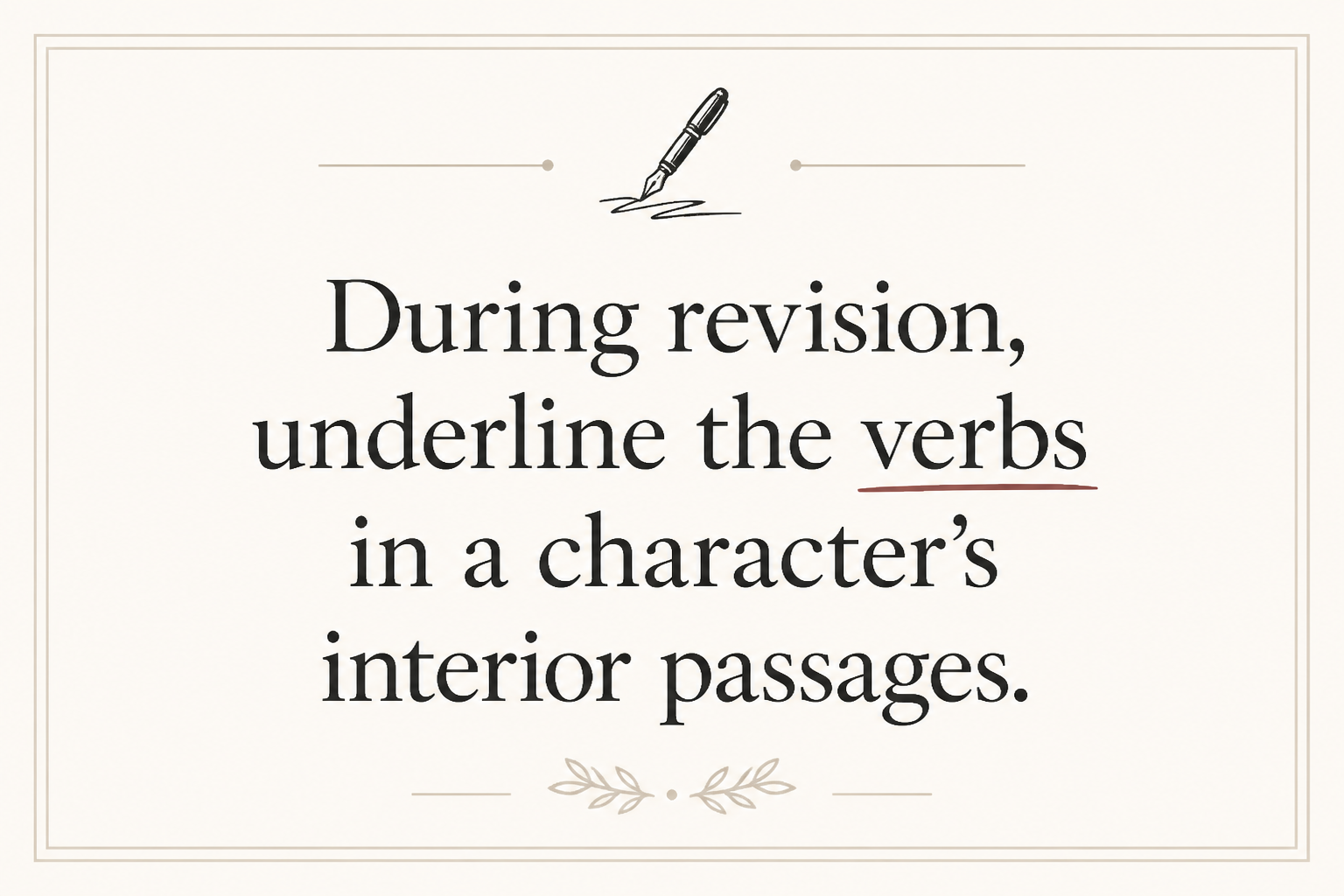
Extended And Controlling Metaphors
An extended metaphor develops across several sentences, a scene, or an entire book. Picture a novel about family estrangement that keeps returning to broken bridges, missing planks, and difficult crossings. Each image adds another piece of the emotional argument.
A controlling metaphor gives a story a recurring system of images. In a novel about surveillance, images of eyes, windows, cameras, mirrors, and blind spots can form a connected pattern. The pattern helps readers sense the theme before a character states it.
Building An Extended Metaphor
Start with the central emotional problem. Then list the physical details associated with your chosen image. For a story about inherited trauma, a house might supply cracked foundations, locked rooms, buried pipes, unstable stairs, and repairs that hide worse damage.
Assign each detail a dramatic purpose. For example, a locked room might hold a secret in chapter three. Later, a leaking pipe could surface when the family loses control. Save the repaired stair for the climax, and let it give way when the stakes peak. The image becomes useful when it changes with the plot.
Keeping The Image Under Control
Extended metaphor needs boundaries. Take a house image that can tolerate windows, doors, rooms, and foundations. Add oceans, machines, storms, and battlefields to the same passage, and the pattern weakens. Soon the reader stops following the character’s problem and starts watching you switch images.
I recommend creating a private image bank during outlining, filled with five to ten related objects, verbs, and sensory details. When you draft, use only the entries that arise naturally from the scene. Every metaphor should serve the story’s pressure. None should announce the author’s planning.
Dead Mixed And Conceptual Metaphors
A dead metaphor began as vivid figurative language and became ordinary through repeated use. Consider how people talk about the foot of a mountain, the mouth of a river, or the branches of a company without picturing feet, mouths, or tree limbs. These expressions still carry meaning. What they rarely do is create a fresh image.
Dead metaphors have a place in clean exposition and natural dialogue. Trouble starts when your prose depends on them for atmosphere. For example, a character who “faces a mountain of problems” may sound generic unless the surrounding voice gives the phrase a specific twist.
Mixed Metaphors And Revision
A mixed metaphor combines images that pull in different directions. Picture a manager announcing, “We need to get all our ducks on the same page and hit the ground running.” The sentence creates a parade of unrelated pictures. Readers can usually decode the intended meaning. The trouble is that the language keeps calling attention to itself.
Search your manuscript for familiar phrases involving roads, fires, sports, water, machines, and battles, then read each flagged sentence aloud. Where images clash, replace the mixed metaphor with one concrete image, or state the idea plainly when the image adds no useful pressure.
Conceptual Metaphors In Fiction
Conceptual metaphors shape how people think about an abstract idea. Consider how a character might treat time as money, argument as war, or love as a journey. Linguist George Lakoff and philosopher Mark Johnson examine this pattern in Metaphors We Live By, a foundational study of how conceptual metaphors influence ordinary thought.
Your character’s conceptual metaphor can create conflict. For example, one partner may treat love as a contract that requires equal exchange. To the other, love is a shelter that stays open even after failure. Their argument gains depth because they interpret the same relationship through different systems.
Metaphor By Genre And Purpose
Genre changes how much metaphor your reader can absorb. In a literary novel, layered imagery can stretch across an entire page. On the other hand, a fast thriller needs images that clarify danger without slowing the action. Romance often thrives on sensory metaphors tied to vulnerability, trust, and bodily awareness. Because fantasy already asks the reader to accept imaginative rules, the genre can support larger symbolic systems.
Your marketing copy needs a separate standard. Inside a book description, a metaphor should sharpen the promise of the reading experience and never hide the character, desire, or threat that a prospective reader needs to understand.
Metaphor In Fiction Prose
Match the metaphor to the point-of-view character’s knowledge. Picture a botanist comparing a marriage to an invasive species. Give the same idea to a boxer, and a family argument becomes a fight that starts before the bell. In contrast, a child might reach for a literal object in the room because abstract language sits beyond her experience.
Keep an eye on register. In a police procedural, a poetic metaphor can work inside a detective’s interior narration. Place that same image in a routine evidence report, and it sounds false. Every image needs to belong to the mind that notices it.
Metaphor In Nonfiction And Memoir
In memoir, metaphor can help you connect separate life events without pretending they followed a neat plan. For example, a train station might stand for repeated departures across several chapters. Plant a garden in the opening pages, and it can carry the changing relationship between a parent and child.
Use the image to clarify your meaning, then return to specific facts. Metaphor cannot replace scene, evidence, or reflection. Readers need the actual kitchen, diagnosis, classroom, or publishing rejection before the larger comparison has weight.
Metaphor In Titles And Book Marketing
A metaphorical title has to survive a thumbnail, a retailer search page, and a reader’s memory. Test it beside comp titles on Amazon, and ask whether the phrase signals genre and emotional promise within a few seconds. Put a lyrical, literary-sounding title on a fast-paced paranormal romance, and readers may not realize what kind of book they are looking at.
Adazing’s book title generator and writing tools can help you generate possibilities when you know your theme and still need a usable phrase. Treat whatever they produce as raw material, and read each option against your synopsis, category, and cover concept before choosing anything.
Revising Metaphors For Precision
Revision turns metaphor from decoration into structure. I read each figurative sentence against the scene’s emotional purpose. The image should reveal character, sharpen mood, clarify an idea, or connect to a pattern that deserves to return.
The Metaphor Revision Test
Ask four questions of every metaphor:
- What two things are being connected?
- What new meaning does the connection provide?
- Does the image belong to the speaker or point-of-view character?
- Does the sentence remain clear when read aloud?
Delete any metaphor that fails those checks. Plain language often carries a scene farther than an image chosen because it sounds impressive.
Freshness And Familiarity
Familiar metaphors can work when speed matters. Save fresh ones for moments that carry emotional or thematic weight. You do not need an original image in every paragraph. In fact, a manuscript crowded with unusual comparisons leaves the reader no quiet surface from which to appreciate the strongest ones.
Mark your metaphors in a printed manuscript or digital draft. Circle repeated images, underline clichés, and group related comparisons. You may discover an accidental pattern that deserves development, or you may find that your book has three competing image systems. Either way, commit to the pattern that best serves the character’s central change.
FAQs about the Types of Metaphors
What is the Most Useful Type of Metaphor for Fiction?
Implied metaphor is highly useful because it can reveal character without interrupting the scene. When you need a fast, memorable image, direct metaphor works better. Choose based on pacing, point of view, and how much attention you want the sentence to draw.
How Many Metaphors Should A Writer Use?
There is no reliable number for every manuscript. Use enough figurative language to give the prose texture and emotional access, then remove images that repeat the same work. Read a chapter aloud and listen for passages where the reader has to decode language during an important action.
Can A Metaphor Run Through An Entire Novel?
Yes. An extended or controlling metaphor can connect scenes and deepen a theme across a novel. Build a related image bank, attach images to character decisions, and let the pattern change as the character changes.
Use Metaphor With Deliberate Pressure
Metaphor earns its place when it changes what the reader understands. Choose a form that suits the scene, give the image to the character who would naturally see it, and revise every comparison that creates fog. Your strongest metaphors will work from inside the story, revealing how your characters interpret the lives they are trying to survive.
