

Understanding genre is crucial in the world of literature and publishing. The primary reason genre matters is that it sets expectations for readers, helping them navigate the vast sea of available books. Different genres come with their own conventions, styles, and themes, which influence how a story is told and received. By being aware of genre, writers can target their audience, and readers can find stories that resonate with their interests.
Table of Contents
Defining Genre
At its core, genre is a method to sort literature based on shared characteristics. Genres can include, but are not limited to, fiction, nonfiction, fantasy, mystery, romance, science fiction, and historical fiction. Each genre has its unique traits, themes, and narrative structures that dictate what readers can expect. For example, readers diving into a science fiction novel are primed for imaginative technology and speculative worlds, while those choosing a romance novel anticipate a focus on relationships and emotional conflicts.


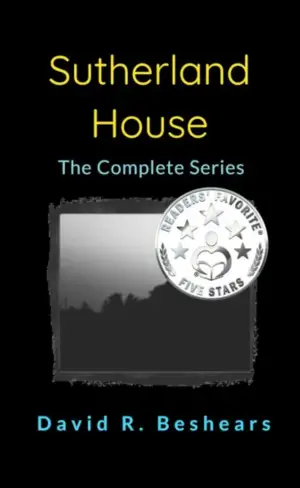
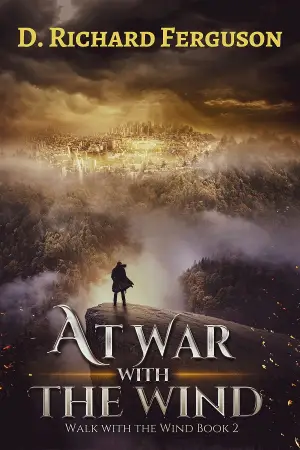
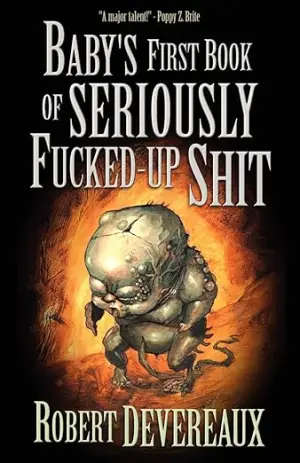

This classification helps bookstores, libraries, and online retailers organize titles, making it easier for readers to find favorites.
Reader Expectations
Genres profoundly shape reader expectations. Let’s take a look at the mystery genre. When readers pick up a mystery novel, they are looking to uncover clues, solve puzzles, and often expect a twist ending. A famous example is Agatha Christie’s Murder on the Orient Express, where readers anticipate tension and unexpected revelations. If Christie wrote a book that meandered without solving mysteries, readers would feel deceived and frustrated.
Consider this scenario: a reader excitedly purchases a book labeled as “romantic thriller.” They expect a gripping plot coupled with a love story. If the book had little romance and focused instead on mundane aspects of everyday life, the reader would likely feel disappointed. That is not just about interest; it’s a fundamental issue of trust between readers and writers.
Marketing and Target Audience
From a marketing perspective, genres create the necessary framework for publishers to reach their target audience. A book’s cover design, blurb, and promotional material usually match the genre, attracting the readers who are most likely to enjoy it. For example, a bright, whimsical cover may draw in young adult audiences, whereas a dark, moody design tends to attract horror fans.
Publishers often analyze trends within genres to identify which types of stories connect with readers. If a particular genre sees a surge in popularity—such as domestic thrillers—publishers may rush to acquire similar titles to meet demand. Such a move not only benefits the publishers but also helps writers within that genre discover more opportunities for publication.
Genre Blending
Genre blending has become increasingly popular, leading to innovative storytelling. Authors are pushing boundaries by mixing genres, creating hybrid works that appeal to multiple audiences. For example, the book The Night Circus by Erin Morgenstern combines elements of fantasy and historical fiction with a touch of romance. This genre-blending results in a richer reading experience while still maintaining certain expectations that come with each genre component.
However, while blending genres can be innovative, it’s vital to do it thoughtfully. A book that tries to mix too many genres without a clear purpose may lose its sense of direction. For example, if a book advertised as a memoir suddenly introduces an alternate reality element with no clear attribution, it can confuse readers.
Cultural Impact
Genres also reflect cultural trends and societal issues. For instance, the rise of dystopian fiction—think The Hunger Games and 1984—often mirrors societal anxieties, such as government overreach and the impact of technology on everyday life. When authors use a well-known genre for these themes, they explain complex ideas to the audience with more clarity.
The romance genre, meanwhile, has become increasingly diverse, showcasing characters from various backgrounds and experiences. This shift not only resonates with a more varied readership but also promotes inclusivity. It challenges the traditional archetypes often seen in earlier romance novels, inviting readers to see themselves in the narratives.
Genre and Characterization
Different genres inherently influence how characters are portrayed and developed. In fantasy, characters may possess supernatural powers or embark on epic quests, while in romance, character development often focuses on emotional growth and relational dynamics.
A vivid example shows up in J.K. Rowling’s Harry Potter series. Characters like Harry, Hermione, and Ron grow through fantastical challenges that are specific to the fantasy genre. Each character embodies traits and arcs that readers cherish, fitting within the expectations of genre-driven characterization.
In contrast, in literary fiction, character development is often more subtle, leaning heavily on internal conflicts rather than external action. Books like The Catcher in the Rye focus on character introspection, requiring readers to engage with the protagonist’s emotional landscape rather than relying on plot-driven excitement.
Writing Style and Techniques
Genre also dictates writing style and techniques. For example, thriller writers use short, sharp sentences to build urgency, while those who write literary fiction rely on longer, flowing lines to explore deeper subjects and inner thoughts.
James Patterson, a master of the thriller genre, often utilizes cliffhangers and quick chapter turns, making it difficult for readers to put down the book. In contrast, an author like Toni Morrison would use layered narratives and rich, complex sentences to immerse readers in the emotional and cultural depths of her characters’ lives.
The differences in style are not just aesthetically distinct but serve a functional purpose in engaging the genre’s audience. Engaging a reader’s attention, rather than merely entertaining them, depends significantly on understanding these stylistic nuances.
Reader Interactions and Community
Genres foster communities of like-minded readers who enjoy discussing, defending, and promoting their favorite books. Online platforms, like Goodreads or various book clubs, are often organized by genre. These spaces create a sense of belonging for individuals passionate about a particular type of story.
In the romance genre, for instance, readers frequently share recommendations, engage with authors personally on social media, and participate in online events. This enthusiasm fosters a vibrant community centered around their love of romantic tales, spotlighting why genre matters not only for readers’ individual experiences but also for building communal connections.
The Shifting Landscape of Genre
As society evolves, so do genres. New sub-genres emerge, and existing ones transform to reflect contemporary themes and issues. For example, “cli-fi” (climate fiction) increasingly addresses environmental concerns through storytelling. This shift highlights not only creative adaptation but also the power of literature to respond to current events.
The malleability of genres lets writers explore uncharted territory and engage readers in fresh ways. Flexible interpretations of genre encourage innovation, attracting readers who crave originality in storytelling.
Genre and Accessibility
Lastly, understanding genre influences accessibility. Introducing readers to specific genres can help them discover their preferences and expand their reading horizons. For novice readers, children’s literature often relies on clear genres to convey themes and morals. Books in the “Easy Reader” category typically focus on simple narratives and relatable characters, designed purposefully to cater to younger audiences.
When they develop a love for a specific genre, readers may venture into more complex themes or varied styles as they become more comfortable with their reading skills. Authors play a critical role here, as their adherence to or experimentation with genre conventions can spark curiosity and encourage further exploration.
Additional Information
Understanding genre is key to navigating the literary landscape, and here are some surprising facts about why it truly matters.
- Reader Expectations: Each genre comes with distinct conventions. Readers expect certain elements, such as a villain in a thriller or a happy ending in romance. Straying too much can frustrate even the most patient readers.
- Market Positioning: Publishers categorize books into genres to position them strategically in the market. A clear genre helps with targeted marketing, maximizing visibility among the appropriate audience.
- Discovery and Recommendations: Algorithms on platforms like Amazon or Goodreads rely on genre to recommend books. A well-defined genre can significantly increase your book’s chances of being discovered by potential readers.
- Awards and Recognition: Many literary awards are genre-specific. Knowing your genre can help target competitions and recognition avenues tailored to your book’s niche, increasing its prestige.
- Prescriptive Publishing: Genre directs editors and agents toward certain choices. Manuscripts matching popular genres tend to draw more attention because they fit market trends.
- Influencing Themes and Tropes: Genres shape not only the plot but also the themes and character types. For instance, dystopian novels often explore themes of survival and societal structures, while cozy mysteries focus on community and relationships.
- Subgenres and Hybrid Works: The rise of subgenres has expanded possibilities for authors. Combining elements from different genres can create unique stories that stand out while still fitting into broader categories.
- Cultural Impact: Genres often reflect societal concerns and cultural shifts. Historical fiction, for instance, serves as a lens through which readers can explore past societal norms and values.
- Author Branding: Many successful authors remain within a specific genre to build a loyal reader base. Sticking to one genre can help establish your brand and make it easier for fans to know what to anticipate.
- Crafting a Series: If you intend to write a series, a clear genre can help maintain consistency across the books. It assures readers that the next installment will resonate with the elements they loved in the previous ones.
Frequently Asked Questions (FAQs) Related to Why Does Genre Matter
Q. What is genre in literature?
A. Genre refers to a category of writing that shares similar characteristics, themes, and styles, such as fiction, nonfiction, romance, or mystery.
Q. Why should writers care about genre?
A. Understanding genre helps writers target their audience more effectively and follow conventions that resonate with readers.
Q. How does genre affect a book’s marketing?
A. Different genres attract different audiences, so genre influences how a book is marketed, from cover design to promotional strategies.
Q. Can a book belong to multiple genres?
A. Yes, many books blend elements from different genres, making them appealing to a wider audience.
Q. How does genre set reader expectations?
A. Readers often have certain expectations based on genre; for instance, they may expect a romance novel to have a happy ending.
Q. What role does genre play in awards and recognition?
A. Awards often categorize submissions by genre, so knowing your book’s genre can determine which awards it may be eligible for.
Q. Does genre influence a writer’s style?
A. Yes, different genres often have distinct styles and conventions, prompting writers to adapt their voice accordingly.
Q. How can genre help with building a reading list?
A. Knowing genres helps readers curate their reading lists, ensuring they choose books that fit their interests.
Q. Is it important to stick strictly to one genre?
A. Not necessarily. While some genres have strict conventions, many successful authors merge genres or even bend the guidelines.
Q. Can genre change over time?
A. Absolutely. Genres evolve due to cultural shifts and new trends in storytelling, making literature a dynamic field.
Conclusion
Understanding genre is crucial for both readers and writers. For readers, it helps in finding books that align with personal tastes, making the reading experience enjoyable. For writers, knowing the genre provides a framework for crafting stories that meet audience expectations. Whether you love romance, mystery, or science fiction, genre shapes how stories are told and received. Embracing genre not only helps in discovering new favorites but also enhances the overall literary experience. So, dive into your preferred genres and explore the countless worlds they offer!
