
Many readers may wonder, what exactly is a prologue? In simple terms, a prologue is a section of a book that comes before the main story. It’s like a warm-up before the big game. The prologue sets the stage, introduces important themes, or provides background information essential for understanding the narrative.
Table of Contents
The Function of a Prologue
The primary function of a prologue is to prepare the reader for the story they’re about to dive into. It can establish the context and tone, introduce key characters or events, and even hint at future plot developments. Not every book has a prologue, so when authors choose to include one, they usually have a specific purpose in mind.


Example: A Historical Context
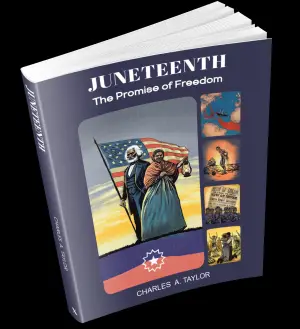
For instance, in historical fiction, the prologue might provide essential context. Consider a novel set during World War II. The prologue could present a brief history of the war, detailing how it has affected different countries and populations. This background can help readers grasp the story’s stakes and motivations when they finally meet the characters.
Example: Setting the Tone
In a mystery novel, the prologue may present a chilling event that introduces the puzzle. Picture a prologue that describes a crime scene with chilling details. Doing so not only grabs the reader’s attention but also shapes the book’s mood as suspenseful and intriguing, urging readers to continue flipping pages.
Prologue vs. Preface vs. Introduction
To fully appreciate the role of a prologue, it’s necessary to distinguish it from related sections such as the preface and introduction.
The Preface
In most cases, the author writes the preface and offers personal insights into the writing process or the book’s background. It informs readers about what they can expect and why the author chose to write this particular work. For example, a preface might explain the author’s motivations or the extensive research that went into crafting a historical narrative.
The Introduction
An introduction, on the other hand, usually provides an overview of the material that follows. It prepares readers for the structure and themes they will encounter. This section can be more straightforward and informative, unlike the often narrative-driven prologue.
A Quick Breakdown
- Prologue: Sets the scene, gives background, or hints at the story’s direction.
- Preface: Author’s personal notes or insights about writing the book.
- Introduction: Overview of what is to come, outlining the content structure.
Crafting an Effective Prologue
When it comes to writing a prologue, a few key elements can make a significant difference.
Engaging Hook
Start with something that captures attention. That could be a dramatic scene, an intriguing statement, or a question that stirs curiosity. For example, “It was the summer of 1942, and the shadows of war loomed larger than ever.” This opening sets a gripping tone and compels readers to continue.
Relevance to the Main Story
Ensure that the content of the prologue aligns with the core themes and plot of the story. It should provide context that enhances comprehension when transitioning into the first chapter. If the prologue is too disjointed or unrelated, it may confuse rather than help.
Length Matters
While there’s no strict rule about how long a prologue should be, brevity is often advantageous. It should be long enough to provide necessary information but concise enough to keep the reader interested. Ideally, a prologue should be anywhere from one to a few pages long.
Common Mistakes to Avoid
When crafting a prologue, authors often stumble into a few common pitfalls.
Information Overload
One of the biggest mistakes is overloading the reader with too much information. While backstory holds value, a prologue should not read like a history textbook. Instead, provide just enough context to enrich the narrative without overwhelming the reader.
Forgetting the Hook
Another common mistake is failing to start with an engaging hook. The beginning of a prologue should grab attention immediately. If readers do not feel compelled to continue, they may skip the prologue entirely.
Losing Consistency in Tone
Maintaining a consistent tone is crucial. A prologue that has a different tone from the main text can confuse readers. Ensure that the voice and style in the prologue align with the upcoming chapters to maintain immersion.
Examples of Notable Prologues
Many famous books use prologues to introduce key background elements of their stories. Here are a few examples.
“The Hobbit” by J.R.R. Tolkien
In the prologue of “The Hobbit,” Tolkien presents Bilbo Baggins’ life before the events of the main story. This prologue introduces readers to the world of hobbits and sets the stage for Bilbo’s unexpected adventure. It charms readers with its whimsical tone, preparing them for the fantastical journey that lies ahead.
“A Game of Thrones” by George R.R. Martin
Martin’s series opens with a prologue that introduces the unsettling atmosphere and dark themes that permeate the narrative. The chilling experience of the Night’s Watch patrol is a critical moment that sets the tone for the entire series and establishes the danger lurking beyond the Wall.
“The Hunger Games” by Suzanne Collins
In “The Hunger Games,” the prologue provides insight into the dystopian world in which the characters live. It condenses vital societal context into a narrative that is both engaging and informative, capturing the reader’s interest while providing necessary background.
Tips for Readers: What to Look for in a Prologue
When diving into a new book, readers can benefit from focusing on specific aspects of the prologue.
Consider the World-Building
Pay attention to how the prologue shapes your understanding of the world. Is the setting richly described? Are the cultural elements introduced? The prologue can provide layers of meaning that enhance the reading experience.
Take Note of the Tone
Notice the tone of the prologue compared to the main story. That can give clues about the emotional landscape of the book. If the prologue is grim and the story turns out to be light-hearted, prepare for a surprising twist.
Look for Foreshadowing
Prologues often contain hints about future events or character arcs. Keep an eye out for these clues; they can enrich your understanding of the story and help you connect the dots as you read.
Additional Information
Prologues are often overlooked but can be surprisingly powerful. Here are some deep facts about prologues that you might not know:
- Purpose of a Prologue: The primary purpose of a prologue is to set the stage for the story, providing essential background information, context, or insight into the characters’ motivations.
- Character Introduction: Many authors use prologues to introduce a key character or event that significantly impacts the narrative, allowing readers to dive into the action with a better understanding.
- Time Jumps: Prologues can span different time periods, often taking place “before” the main events of the book. That can create intrigue around how past events influence the present storyline.
- Tone Setting: A prologue can establish the tone or atmosphere of a book. Whether it’s suspenseful, mysterious, or light-hearted, the prologue helps set reader expectations for the style of writing to come.
- World-Building: In genres such as fantasy or science fiction, prologues serve as an excellent tool for world-building, showing readers a glimpse into a unique universe, its rules, and its history.
- Foreshadowing: Some prologues aim to foreshadow later events, planting seeds that may not bear fruit until much later in the book. This technique hooks the reader’s curiosity.
- Length Variance: Prologues can vary widely in length from a single page to several chapters, depending on the author’s intent and the complexity of the information revealed.
- Not Always Necessary: Not every book requires a prologue. Some stories work best by starting in the action, and a prologue could slow down the pacing unnecessarily.
- Reader Engagement: Well-crafted prologues can engage readers right away, creating a magnetic entry point that draws them in and motivates them to explore further.
- Publishing Trends: In recent years, publishers have become increasingly open to innovative prologue formats, offering multimedia elements or interactive components throughout digital books, changing how readers engage with the story.
Frequently Asked Questions (FAQs) Related to What Is The Prologue Of A Book
Q. What is a prologue?
A. A prologue is an introductory section of a book that sets the stage for the story, providing background information or context that helps the reader understand the main narrative.
Q. Why is a prologue significant?
A. A prologue is significant because it can hook readers, provide necessary context, and introduce key themes or characters, making the overall story more engaging.
Q. Does every book need a prologue?
A. No, not every book needs a prologue. Many stories can start without one, but a prologue is helpful if the author needs to convey crucial information that aids in understanding the plot.
Q. How long should a prologue be?
A. A prologue should generally be concise, ranging from a few paragraphs to a couple of pages. It should be sufficient to convey the necessary information without overstaying its welcome.
Q. Can a prologue reveal spoilers?
A. Yes, a prologue can reveal spoilers, but it’s best to avoid major twists that could ruin the reader’s experience. It should enhance the story without revealing everything upfront.
Q. What is the difference between a prologue and a foreword?
A. A prologue introduces the plot, whereas a foreword provides insight or context and often comes from someone other than the author.
Q. Can a prologue be written in a different voice or style?
A. Yes, a prologue can be written in a different voice or style, allowing the author to set a unique tone that distinguishes it from the main narrative.
Q. Should a prologue be self-contained?
A. Ideally, a prologue should be self-contained enough to stand alone, but it should still connect to the main story and intrigue the reader to continue.
Q. Are prologues common in all genres?
A. Prologues appear in various genres, but their prevalence may vary. Fantasy and historical fiction often utilize them, whereas contemporary fiction may skip them more frequently.
Q. Can I skip the prologue if I’m not interested in it?
A. While you can skip the prologue, doing so might mean missing out on important background information that could enrich your understanding of the story. It’s usually a good idea to give it a read.
Conclusion
A prologue introduces key background elements that set the stage for the story. It can provide essential background information, introduce key themes, or present a glimpse of what’s to come. Not every book includes a prologue, but those that do often provide readers with a richer understanding of and deeper connection to the plot. So, when you pick up your next book, don’t skip over the prologue—it could be the key to unlocking the whole experience of the story.
