

Conflict is the driving force behind nearly every story we encounter. It presents characters with challenges, motives, and the struggles that propel the narrative forward. A well-defined main conflict establishes what is at stake for the characters, making the story engaging and relatable. The main conflict can present itself in various forms, including character vs. self, character vs. character, character vs. society, and character vs. nature. Each type offers unique depths and complexities that can enhance a narrative.
Table of Contents
What Is the Main Conflict?
The main conflict is the central struggle that the protagonist faces throughout the story. It can vary significantly depending on the genre, character arcs, and themes. Understanding the main conflict helps in enriching the storytelling experience, allowing readers to connect emotionally and intellectually with the material.
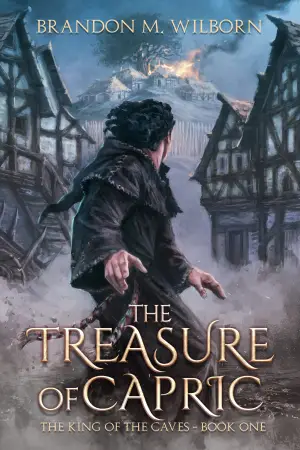
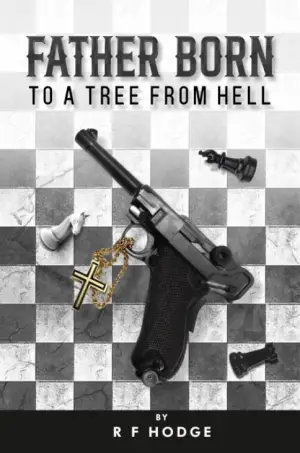
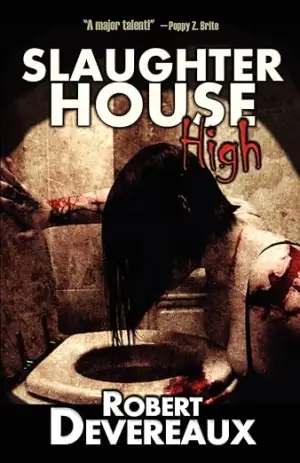
For example, in a romance novel, the main conflict might revolve around the tension of a couple who want to be together but face external obstacles such as societal expectations or family issues. In contrast, a science fiction story might introduce conflict through a character navigating between their humanity and technological enhancements. Ultimately, the main conflict is what forces characters to grow, adapt, and change, propelling the narrative toward its climax.
Types of Main Conflict
Understanding the types of conflicts can help writers pinpoint the central struggle within their stories. Here’s an overview of the primary types:
Character vs. Self
Internal conflicts occur when a character grapples with their thoughts, emotions, or choices. This type of conflict highlights the psychological and emotional struggles that the character faces.
Example: In “The Catcher in the Rye,” Holden Caulfield battles his inner turmoil of growing up, grappling with feelings of alienation and depression. This conflict reveals deeper themes about adolescence and identity.
Character vs. Character
This type of conflict involves a direct struggle between two or more characters, often manifesting in antagonistic relationships. The friction drives the plot, showcasing personal stakes and motivations.
Example: In “Harry Potter,” the primary conflict arises between Harry and Voldemort, where Harry’s desire to defeat the Dark Lord opposes Voldemort’s ambitions for power. Their confrontations provide thrilling tension throughout the series.
Character vs. Society
Here, the protagonist faces opposition from societal norms, institutions, or cultural expectations. This conflict often delves into themes of morality, justice, and resistance.
Example: In “The Handmaid’s Tale,” Offred struggles against a totalitarian regime that imposes oppressive rules on women. The conflict showcases her fight for autonomy and identity, resonating with contemporary discussions on gender rights.
Character vs. Nature
In this type of conflict, characters battle against natural forces, such as weather, animals, or other external environmental factors. It emphasizes survival and the characters’ resilience.
Example: In “The Old Man and the Sea,” Santiago battles the sea and a massive marlin. Here, the conflict reveals human endurance and the struggle for respect and achievement, underscoring a man’s solitary connection with the natural world.
The Importance of Conflict in Character Development
Conflict is crucial for character growth. As characters face challenges, they often undergo significant transformations that reveal their true selves. Internal or external conflicts push them out of their comfort zones, forcing them to make difficult choices, discover strengths, or confront weaknesses.
For instance, in a coming-of-age story, a teenager facing peer pressure may initially make unhealthy choices but eventually learns to embrace their individuality. The character’s journey through conflicts highlights personal evolution, providing readers with relatable experiences despite the fictional context.
Motivations and Stakes
The stakes within the main conflict add urgency to the story. A character’s motivation in confronting conflict drives the narrative, influencing their decisions and actions. High stakes amplify tension, making readers invested in the outcome.
Example: In “The Hunger Games,” Katniss Everdeen’s main conflict focuses on survival in a dystopian society. The life-and-death stakes motivate her actions, and the choices she makes can reflect broader societal commentary.
Ways to Introduce Conflict Early in Stories
Introducing conflict early can hook readers and set the tone for the rest of the story. Here are a few effective methods:
Starting with Action
Beginning a story with a moment of conflict can immediately pull readers into the narrative. Action scenes can be thrilling and provide instant engagement.
Example: “The Maze Runner” begins with Thomas awakening in a dark elevator, pulling the story straight into tension and uncertainty. The immediate conflict draws readers in, making them eager to learn further.
Flashbacks
Utilizing flashbacks can reveal backstory and earlier conflicts that shape characters’ current behaviors. This technique permits readers to understand motivations with greater clarity.
Example: In “The Great Gatsby,” Gatsby’s longing for Daisy is illuminated through flashbacks that provide context to his present-day choices, creating layers of conflict that deepen the narrative.
Dialogue
Conflict sometimes emerges in conversations between characters. Tension-filled dialogue can reveal disagreements or secrets that set the stage for the main conflict.
Example: In “Pride and Prejudice,” Elizabeth Bennet’s initial interactions with Mr. Darcy reveal class tensions, personal prejudices, and rising tension, pushing the romantic subplot forward.
Conflict Resolution and Its Impact on Story
Conflict resolution is essential for delivering a satisfying story arc. When characters face and overcome conflict, it often leads to growth, understanding, or change. How this resolution unfolds significantly impacts the overall tone of the narrative.
The Role of Antagonists
In many stories, antagonists provide the primary source of conflict. Their motives and actions challenge the protagonist, maintaining the tension alive. A well-developed antagonist has a clear motive that intersects with that of the protagonist, creating dynamic conflict.
Example: In “The Lion King,” Scar’s betrayal and ambition create significant conflict for Simba, leading to character development as Simba learns about responsibility and courage.
Open vs. Closed Conflict Resolution
The mode of resolving the main conflict can vary. Some stories resolve their conflicts neatly, while others deliberately leave ambiguity or open-endedness to stimulate the reader’s thought.
Example: “1984” leaves readers questioning the nature of society and control. Winston Smith’s failure to overthrow the Party leaves lingering conflicts in the reader’s imagination, enhancing the novel’s haunting impact.
The Role of Themes in Conflict
Conflict can illuminate broader themes within a story, allowing for deeper exploration of societal issues or human experiences. When characters grapple with external or internal conflicts, it often connects with universal themes that resonate with readers.
Exploring Moral Dilemmas
Conflict can present moral questions that challenge characters on ethical grounds. Characters might face decisions that force them to choose between right and wrong, showcasing the complexities of human nature.
Example: In “To Kill a Mockingbird,” Atticus Finch faces the moral conflict of defending a black man accused of raping a white woman, highlighting themes of justice and racism.
Conflict in Non-Fiction
While conflict is often associated with fiction, it can also play a vital role in non-fiction narratives. In memoirs or argumentative essays, the author may confront personal or societal challenges.
Example: In “Educated,” Tara Westover recounts her struggle against her family’s rigid beliefs surrounding education and autonomy. Her personal conflict drives the narrative and illustrates the transformative power of education.
Additional Information
Understanding the main conflict can unlock deeper enjoyment and insights into storytelling. Here are some lesser-known aspects that every book lover should grasp:
- Not Always a Hero vs. Villain: The main conflict doesn’t always boil down to a clear-cut battle between good and evil. Sometimes, the conflict is internal, pitting a character against their own fears or desires.
- Symbolism of the Conflict: The main conflict often symbolizes broader themes in the story, such as societal struggle, personal growth, or existential questions, adding depth to the narrative.
- Conflict Can Be Driven by Setting: The environment can play a crucial role in the main conflict. A character’s struggle against nature or a challenging societal structure can drive the storyline just as powerfully as a villain would.
- Multiple Conflicts Exist: Many stories feature multiple conflicts happening simultaneously, whether they are subplots or intersecting character journeys. These can enrich the main conflict and provide a more dynamic reading experience.
- Cultural Context Matters: The main conflict can shift with cultural backgrounds and societal norms. What appears to be a straightforward conflict in one culture can take on different meanings and stakes in another.
- Protagonist and Antagonist Complexity: The lines between protagonist and antagonist aren’t always clear. Sometimes, the antagonist is a former ally, revealing that conflicts can be a product of circumstances rather than inherent villainy.
- Impact of Secondary Characters: Secondary characters often drive the main conflict, serving as catalysts that push the protagonist to confront their dilemmas, revealing that conflict seldom involves just one character.
- Character Growth as Conflict: In some narratives, character growth itself forms the central struggle. As characters evolve, they encounter resistance from themselves or others, highlighting personal transformation as a significant battle.
- Misunderstandings Fuel Conflict: Often, misunderstandings between characters are at the heart of the main conflict. These situations can create tension and drive the plot forward in unexpected ways.
- Conflict Resolution Isn’t Always Happy: Not every main conflict reaches a tidy resolution or a happy ending. Sometimes, conflicts leave characters and readers pondering the complexities of life and human nature.
Frequently Asked Questions (FAQs) Related to What Is The Main Conflict
Q. What is the main conflict in a story?
A. The main conflict is the central struggle or problem that drives the narrative. It’s the challenge the characters encounter and usually features clashing sides.
Q. Why is the main conflict important?
A. The main conflict is crucial because it creates tension and keeps readers engaged. It propels the plot and helps to develop characters.
Q. How does a main conflict differ from a subplot?
A. The main conflict is the primary issue the characters must resolve, while subplots are secondary conflicts that add depth but aren’t the central focus of the story.
Q. Can a story have multiple main conflicts?
A. Generally, a story focuses on one main conflict, but it can have multiple layers. These conflicts may intertwine, but one usually stands out as the primary issue.
Q. What are some common types of main conflicts?
A. Common types of main conflicts include person vs. person, person vs. self, person vs. society, person vs. nature, and person vs. technology.
Q. How does the main conflict affect character development?
A. The main conflict often forces characters to grow and evolve. They may face challenges that test their values, beliefs, and abilities, leading to lasting personal change.
Q. Can the main conflict change during the story?
A. Yes, the main conflict can evolve as the story progresses. New problems may arise, or the characters may gain new insights that shift the focus of the conflict.
Q. How do I identify the main conflict in a book?
A. To identify the main conflict, look for the primary challenge or issue the protagonist faces. Doing so will usually be highlighted in the opening chapters and drive the story forward.
Q. What role does the main conflict play in genre fiction?
A. In genre fiction, the main conflict typically adheres to genre conventions, helping set the tone and expectations. For instance, in mysteries, the main conflict often revolves around solving a crime.
Q. How can understanding the main conflict enhance my reading experience?
A. Understanding the main conflict allows readers to grasp the stakes and motivations of characters better. It helps to connect emotionally with the story, making it more enjoyable.
Conclusion
Understanding the main conflict in a story is essential for both writers and readers. It acts as the backbone of the narrative, driving character motivations and plot progression. Whether it’s a clash between characters, society, or internal struggles, the main conflict shapes the overall message of the work. By recognizing and analyzing these conflicts, readers can gain deeper insights into the characters’ journeys and themes, while writers can craft more engaging and compelling stories. So, the next time you dive into a book, keep an eye out for that central conflict—it’s where the magic truly happens.
