
The world of literature is vast and multifaceted, and every book relies on certain elements to help readers understand its content, theme, and style. One of these vital elements is the book description. But what exactly is a book description called, and why is it so important? The answer is straightforward: most call this book description a “blurb.”
Table of Contents
The Role of the Blurb
A blurb serves as a mini-advertisement for a book. It provides a snapshot of the narrative, captures the essence of the story, and helps promote the book across marketing channels. Unlike the entire narrative, which dives deep into the story, the blurb is concise, engaging, and designed to hook potential readers.
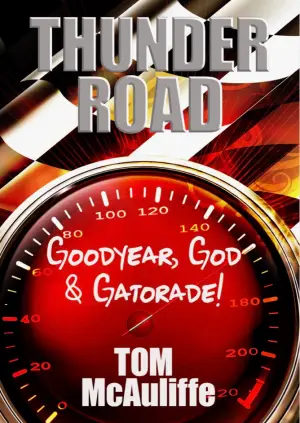
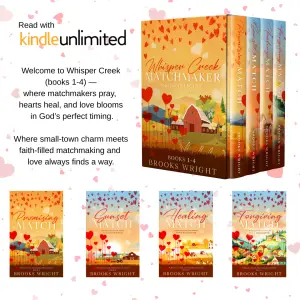
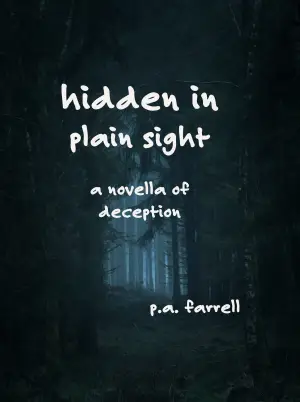
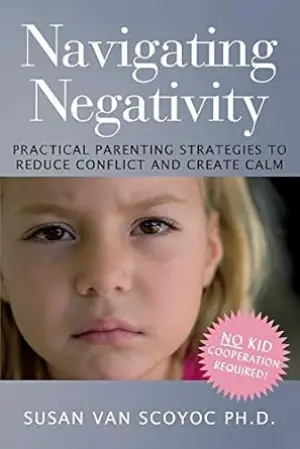

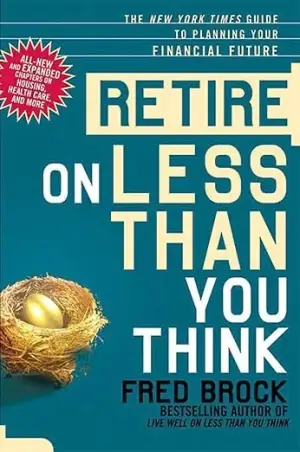
For example, imagine you’re browsing a bookstore. You pick up a novel with an intriguing cover but no prior knowledge of the author. You turn to the back cover and read the blurb. If it’s compelling, you’re more likely to pay for that book and take it home. If the blurb fails to grab your attention, that book will quickly return to the shelf, and you might never know what adventures lie within its pages.
Different Types of Descriptions
When discussing what constitutes a book description, it’s essential to point out that not all book descriptions are created equal. Each description fits a specific context and serves a different purpose, depending on where readers find it.
Back Cover Blurb
The traditional place for a book description is on the back cover. This blurb usually includes a summary of the plot, key themes, and a hint of the main characters. Its goal is to entice readers while providing enough detail to inform them about what to expect.
For instance, take an example from a bestselling thriller. The back cover might reveal a detective’s relentless pursuit of a cunning criminal while leaving out crucial plot twists. This carefully crafted description will excite readers, making them want to pick up the book.
Online Retail Descriptions
In the digital age, many readers purchase books online. Websites like Amazon display descriptions prominently in their listings. The online blurb often retains much of the essential information found on the back cover but typically allows for slightly more detail. It may include tags, such as genres and keywords, that help with search optimization.
For example, an online blurb for a historical fiction novel may focus on the time period and significant events, offering readers a fuller context while keeping the description engaging and easy to read.
Social Media and Marketing Blurbs
Promotional blurbs are often short, catchy phrases used in social media, ads, or email newsletters to promote a book. Each blurb highlights one strong idea or question that sparks instant curiosity about the book.
Consider a book that tackles environmental issues. A social media blurb might read, “What happens if someone cuts down the last tree on Earth?” This question invites curiosity and encourages users to learn more about the book.
The Anatomy of a Great Blurb
Creating a great blurb is both an art and a science. A well-crafted blurb involves several critical components:
Hook
The hook is the attention-grabbing element at the beginning of a blurb. This opening line leads a reader into the narrative, effectively setting the tone and engaging the audience.
For instance, a science fiction novel might start with, “In a world where dreams can be bought and sold…” This immediate intrigue can pull in potential readers, compelling them to read the rest of the blurb.
Key Characters
Right after the hook, introducing the main characters helps readers learn who will guide them through the story. Establishing a strong emotional connection is vital here, whether through character descriptions or notable traits.
Consider horror fiction focused on a protagonist grappling with fear. A blurb might highlight that this character is “the last survivor of a gruesome attack,” instantly drawing in fans of the genre.
Conflict or Quest
After briefing readers on the characters, presenting the central conflict or quest is the next step. This aspect creates tension and urgency within the narrative.
In a romance novel, for example, the blurb might say, “As secrets surface, their love hangs by a thread.” This sentence hints at a challenge the characters must overcome to find happiness, making readers curious about the outcome.
Tone and Style
The tone and style of a blurb should reflect the book’s overall feel. A lighthearted comedy will have a different flavor than a dark thriller, and that energy needs to carry into the description.
For a young adult fantasy, the blurb could include whimsical language and imaginative concepts, creating excitement and charming potential readers. “Magic, friendship, and a curious cat—where could the adventure lead?” establishes an atmosphere of fun and excitement.
Finding Your Blurb Style
Every author might have a different approach to writing their blurbs, and finding a personal style can take some trial and error. Here are some strategies for honing that process:
Analyze Successful Blurbs
A great way to develop a knack for writing blurbs is by studying successful examples from bestselling novels. Examine descriptions written by popular authors and notice the techniques and styles that stand out.
For example, readers might look at the back cover of “The Night Circus” and see how it captivates through the intriguing world-building as well as the feel of enchantment that permeates the entire description.
Draft Multiple Versions
Once you have a draft, do not hesitate to create several variations of your blurb. Changing wording, sentence length, and focus areas can lead to new and improved versions of your original idea.
For example, in your first draft, you emphasize the conflict. However, in another version, you focus more on the characters. These shifts can change how the reader engages with the blurb as a whole.
Seek Feedback from Peers
Feedback from fellow writers or beta readers often reveals which parts of your blurb stand out to others. A new reader can point out what works well and where the blurb could improve.
Asking fellow authors, “Does this blurb make you curious?” can yield helpful advice. Their responses can guide you in refining the final product.
Common Mistakes to Avoid
Writing a blurb can seem straightforward, yet several common pitfalls can dilute its effectiveness. Here are some mistakes to watch out for:
Being Too Vague
When a blurb is too vague, readers may lose interest quickly. Phrases like “an epic journey” or “a shocking twist” provide little real information and don’t help potential buyers know what to expect.
Instead, provide specifics. Highlighting a significant event or character trait can paint a better picture and retain readers’ attention.
Overloading with Information
While being specific is vital, too much information can overwhelm potential readers. It’s crucial to strike a balance between enticing details and brevity.
A blurb should never read like a comprehensive plot summary. Instead, focusing on key elements that inspire curiosity is paramount.
Disregarding the Target Audience
Understanding the target audience is crucial when crafting a blurb. Different genres appeal to various groups, and the language used should resonate with those readers.
For instance, a romance novel targeting teen readers should utilize relatable themes and a youthful tone. Meanwhile, an adult literary fiction blurb can afford to be more introspective or complex.
Crafting an Effective Call to Action
Including a call to action (CTA) at the end of a blurb is often a missing piece for many authors. A solid CTA can be the final push that inspires readers to take action.
For example, a closing line such as, “Join Anna in her quest and uncover the truth today!” gives a sense of urgency and invites readers to participate. It encourages them to dive into the story without hesitation.
Additional Information
When it comes to books, the description—often called the blurb—holds more power than you might think.
- First Impressions Matter: The average reader spends a few seconds on a book’s description. A well-crafted blurb can make or break their decision to pick it up.
- The Art of Brevity: Most successful descriptions are concise. They typically range from 150 to 200 words, focusing on key elements without giving away the entire plot.
- Genre-Specific Language: Each genre has its own conventions. For instance, thrillers often use urgent language, while romance descriptions may highlight emotional stakes and character connections.
- Character Hints: Good descriptions often include hints about the main characters. A compelling protagonist facing a major conflict can draw readers in without revealing too much.
- Mystery and Intrigue: Leaving questions unanswered creates curiosity. A great blurb often introduces puzzles the reader must solve within the narrative.
- Taglines Work Wonders: A catchy tagline can enhance a description. It creates a memorable hook that resonates with potential readers and can summarize the book’s essence in a few words.
- SEO and Keywords: Including specific keywords in online listings boosts visibility. Authors and publishers often research keywords to increase the chance of discovery.
- Feedback Loop: Many authors A/B test their book descriptions. By sharing different blurbs with beta readers or on social media, they can gauge which version generates the most interest.
- No Spoilers Allowed: A good blurb teases but never reveals major plot twists or the ending. Keeping the reader guessing ensures they’ll buy the book to find out what happens.
- Market Trends Play a Role: While timeless themes exist, successful blurbs often reflect current market trends and reader preferences, adapting as popular tropes vary in popularity.
- Reverse Engineering: Some authors analyze bestsellers in their genre. They look closely at successful descriptions to understand what works and how to make their own stand out.
Frequently Asked Questions (FAQs) Related to What Is The Description Of A Book Called
Q. What is the description of a book typically called?
A. The description of a book is often referred to as the “blurb.”
Q. Where can I usually find a book’s blurb?
A. You can typically find a book’s blurb on the back cover or inside the jacket of the book.
Q. What is the purpose of a book blurb?
A. A book blurb aims to entice readers by summarizing the story and highlighting key themes or characters.
Q. How long is a typical book blurb?
A. A typical book blurb is usually around 150 to 300 words long.
Q. Is the book blurb written by the author?
A. Not always. Sometimes the publisher writes the blurb, or a marketing team creates it.
Q. Can a book blurb include quotes from reviews?
A. Yes, many blurbs include quotes from reviews to add credibility and pique interest.
Q. Do all books have a blurb?
A. While most books do have a blurb, some may have minimal or no description, especially in specific formats or editions.
Q. What elements should a good blurb contain?
A. A good blurb should include a hook, a summary of the plot, and sometimes an introduction to the main character.
Q. Can I use a blurb for a self-published book?
A. Absolutely! A catchy blurb is essential for self-published books to attract readers.
Q. How can I write a compelling blurb for my book?
A. To write a compelling blurb, focus on the central conflict, use engaging language, and convey the unique aspects of your story.
Conclusion
The description of a book, often referred to as the blurb, serves as a powerful tool for attracting readers. It gives a brief overview of the story, introduces key characters, and provides a glimpse into the central conflict or theme. A well-crafted blurb not only grabs attention but also sets the stage for the reader’s journey. Whether you are an author creating your own book description or a reader exploring new titles, understanding the importance of a book description can enhance your reading experience. Embrace this helpful insight and dive into the world of books with a clearer perspective!
