

Symbolism can often appear elusive, leaving readers puzzled about its significance in literature and art. If you’re asking, “What exactly is symbolism?”, you’re not alone. Symbolism is the use of symbols—objects, colors, or figures that represent abstract ideas or concepts. Think of symbolism as a shortcut for conveying complex ideas with more depth and emotion than straightforward language can offer.
Table of Contents
The Basics of Symbolism
At its core, symbolism conveys ideas that go beyond the literal. For instance, the color red commonly symbolizes passion, love, or anger. In literature, a rose can serve as a symbol of love and romance. The beauty of this device lies in its ability to evoke emotions and convey messages that transcend the limitations of ordinary expression.



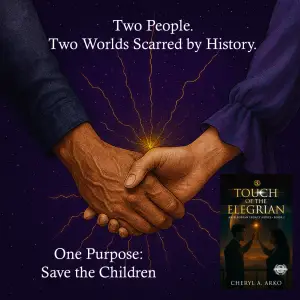
Real-World Application of Symbolism
Consider the novel “The Great Gatsby” by F. Scott Fitzgerald. The green light at the end of Daisy’s dock symbolizes Gatsby’s unattainable dreams and desires. This single object holds a wealth of meaning about hope, ambition, and the American Dream, demonstrating how objects and images can convey powerful ideas layered with complexity.
In film, the use of symbolism is equally prevalent. Take, for example, “The Shawshank Redemption.” The poster of Raquel Welch, covering a hole in the wall, symbolizes the protagonist’s quest for freedom. The poster serves not only as a form of escapism but also embodies hope, representing the pursuit of the unachievable.
Types of Symbolism
There are various types of symbolism, often categorized to enhance the understanding of the text.
Conventional Symbols
These are symbols that have widely accepted meanings across cultures and contexts. For example, the dove is typically a symbol of peace, and an owl often represents wisdom. These conventional symbols hold significance due to societal consensus, rather than individual interpretation.
Personal Symbols
Unlike conventional symbols, personal symbols emerge from individual experiences and cultural backgrounds. For instance, a specific scent like cinnamon could symbolize comfort for someone who remembers their grandmother baking during the holidays. Personal symbols can help writers create relatable narratives that connect with readers by using real feelings and memories.
Literary Symbols
In literature, authors often create symbols to deepen their narratives. In Harper Lee’s “To Kill a Mockingbird,” the mockingbird symbolizes innocence and moral integrity. The choice of this particular bird denotes the idea of harming something pure, illustrating the book’s themes of empathy and justice.
The Role of Symbolism in Literature
Symbols transform stories, giving every element added depth and significance. It invites the reader to engage more deeply with the text, prompting them to uncover insights that aren’t immediately apparent. When writers incorporate symbolism, they encourage readers to reflect and interpret, resulting in an engaging and thought-provoking experience.
Enhanced Character Development
Through symbols, writers can reveal aspects of their characters’ lives and personalities. In “The Picture of Dorian Gray” by Oscar Wilde, Dorian’s portrait becomes a symbol of his deteriorating morals. As Dorian chases pleasure, the painting takes on his inner damage. This symbol shows the dangers of vanity and risky choices.
Building Themes
Symbolism plays a crucial role in weaving themes throughout a narrative. In George Orwell’s “Animal Farm,” the various animals symbolize different societal figures and ideals. The pigs represent corruption and the misuse of power, while Boxer, the horse, symbolizes the working class. These symbols collectively elucidate the theme of totalitarianism and its impact on society.
Techniques for Identifying Symbolism
Detecting symbolism requires attentive reading and critical thinking. Here are some tips to identify symbols in literature:
Pay Attention to Repetition
When particular objects, colors, or phrases recur throughout a narrative, they might carry symbolic weight. For instance, the frequent mention of water in “The Old Man and the Sea” signifies both life and struggle, establishing a profound connection between the character and his journey.
Look for Contrast
Contrasting symbols often highlight specific themes or ideas. In “Lord of the Flies,” the conch shell represents order and civilization. Meanwhile, the painted faces of the boys symbolize savagery. The clash between these symbols accentuates the central theme of human nature.
Explore Context
Understanding the context in which a symbol appears can significantly enhance its meaning. The use of the color black in various cultures can differ. While it may symbolize death in some contexts, it might represent sophistication in others. Familiarizing yourself with the cultural backdrop can provide clarity to a symbol’s significance.
Historical Context of Symbolism
Symbolism isn’t just a modern literary device; it has roots in ancient cultures. Ancient civilizations frequently employed symbols in their writing and art to convey complex ideas or narratives. The Egyptians, for instance, utilized symbols extensively in hieroglyphics, enabling them to communicate multifaceted narratives through simple images.
The Symbolist Movement
In the late 19th century, poets and writers in Europe pioneered what became known as the Symbolist Movement. This literary movement embraced symbolism as a means to express feelings and ideas that were often inaccessible through conventional language. Poets such as Stéphane Mallarmé and Paul Verlaine relied on symbols and vivid imagery to stir emotions and set moods, shaping literature at the time and inspiring generations of writers to come.
Symbolism in Different Genres
Symbolism spans various literary genres, but its manifestation can differ widely based on the genre itself.
Poetry
Poetry frequently employs symbolism, often distilling emotions and ideas into a few words. For example, Robert Frost’s poem “The Road Not Taken” presents two diverging paths as symbols of life choices. Each path stands for a different direction a person might take.
Fiction
In novels, symbolism often develops throughout the narrative, allowing characters and themes to evolve. The “chocolate cake” in Roald Dahl’s “Matilda” symbolizes both indulgence and punishment, illustrating the absurdities of the adult world from a child’s perspective.
Everyday Communication
Symbolism isn’t confined solely to literary texts. Everyday communication is rife with symbols, like using a thumbs-up gesture to signal approval. These symbols enrich our everyday interactions and can define cultural nuances.
The Challenge of Interpretation
Interpreting symbolism can be subjective, so the process brings both surprises and difficulties. Different readers may derive various meanings from the same symbol. This multiplicity of interpretations is what keeps literature alive; it evolves as new audiences bring fresh perspectives.
Case Study: The Yellow Wallpaper
Consider Charlotte Perkins Gilman’s “The Yellow Wallpaper.” The wallpaper itself acts as a powerful symbol of mental illness and societal oppression. A reader might view the wallpaper differently, perceiving it as an emblem of entrapment. Meanwhile, another might interpret it as a reflection of personal struggle. This divergence emphasizes the richness of symbolism.
Additional Information
Symbolism adds depth and richness to literature. Here are some facts about symbolism that you might find interesting:
- Historical Roots: Symbolism has its roots in ancient cultures, where everyday objects and colors were imbued with specific meanings, often linked to spirituality and mythology.
- Red Means More Than Love: While many associate the color red solely with love, it can also symbolize danger, anger, or passion. Authors use it strategically to evoke complex emotions in their characters and plots.
- Objects as Symbols: Everyday objects can carry layers of meaning. For instance, a key in literature can symbolize freedom, opportunity, or knowledge depending on its context and the storyline.
- Multiple Interpretations: Symbols can have different meanings depending on the reader’s background, culture, and personal experiences, which makes literature a personal exploration.
- Animal Symbolism: Certain animals are rich in symbolic meaning. For example, owls often represent wisdom, while snakes can symbolize temptation or rebirth, each reflecting deeper themes within a narrative.
- Nature’s Role: Nature is not just a backdrop; it often serves as a symbol in many stories. Storms can signal turmoil, change, or conflict, while calm seas may represent peace or resolution.
- Cultural Variations: The meaning of symbols can differ widely across cultures. A white dove may symbolize peace in many contexts, but can represent death or mourning in others.
- Personal Symbolism: Authors frequently employ personal symbols, such as a recurring motif in their works, that carry specific significance, illuminating their life experiences and philosophies.
- Foreshadowing Through Symbols: Authors often use symbols as a way to foreshadow events in the story. A broken mirror might hint at a character’s fractured psyche or impending doom.
- The Power of the Unconscious: Symbolism taps into the unconscious mind, allowing readers to connect with themes and meanings on a subconscious level, making literature more impactful.
Frequently Asked Questions (FAQs) Related to What Is Symbolism
Q. What is symbolism in literature?
A. In literature, symbolism is the use of symbols to represent ideas, feelings, or concepts, adding deeper meanings to a story beyond the literal.
Q. Why do authors use symbolism?
A. Authors use symbolism to convey complex ideas more effectively, create connections with readers, and enhance themes in their writing.
Q. Can you give an example of symbolism in a well-known book?
A. In “The Great Gatsby,” the green light represents Gatsby’s hopes and dreams, symbolizing the unattainable nature of his desires.
Q. Is symbolism only found in poetry?
A. No, symbolism appears in all forms of literature, including novels, short stories, and plays, as well as in art and music.
Q. How can I identify symbolism in a text?
A. Look for objects, characters, or colors that seem to have a deeper meaning or that are repeated throughout the work, often linked to the themes.
Q. Does every story have symbolism?
A. Not every story contains symbolism, but many do because it adds layers of meaning and engages readers on a deeper level.
Q. Are symbols the same as themes?
A. No, symbols are specific objects or elements that represent broader ideas. Themes, in contrast, express the central ideas or messages in a work.
Q. Can a symbol change its meaning in different contexts?
A. Yes, a symbol can have different interpretations depending on the context, culture, or individual perspective of readers.
Q. How important is understanding symbolism in reading literature?
A. Understanding symbolism can enhance your reading experience, allowing you to appreciate the depth and richness of the text and gain insights into the author’s intent.
Q. Can I create my own symbols in my writing?
A. Absolutely! You can create your own symbols to convey your ideas, making your writing more unique and personal. Provide readers with a clear explanation or context for each symbol, so the meaning stands out.
Conclusion
Symbolism works as a powerful literary tool, adding depth and meaning to stories. Symbols help authors suggest complex ideas and emotions, replacing drawn-out explanations with subtle hints that readers pick up on themselves. Whether it’s a character’s journey represented by a changing season or an object symbolizing larger themes, understanding symbolism enriches our reading experience. As you dive into your next book, keep an eye out for these hidden meanings, and enjoy the layers they add to the narrative. Happy reading!
